The Great Migration!!!
Previously on CharliExplores: We talked about Rene’s and my adventures at the Niabor National Reserve including it’s rustic setting, it’s infamous bucket showers, and the hippo pond and serenades. You met our guide – the entertaining and very knowledgeable Moikai, and the regal, lady leopard in her tree. And don’t forget the jackals, hyenas, the star-spangled Masai giraffes, and the very substantial, yet noble, African elephants!
But Wait, there’s so much more!!!!!
I give you the much awaited Great Migration – the largest overland migration in the world!!!!

Rene and I were still at Naibor National Reserve for this event. We were so glad of that because Moikai, having first been a teacher and then a guide for 12 years, is an expert on the migrations and a wealth of knowledge! He was also very adept at getting us up close and personal with the animals and the events! Thank you so much Moikai!

The phenomenon known as The Great Migration is a systematic movement of millions of animals from one feeding ground to another. It occurs twice a year, well actually, it is an ongoing dance throughout the year. In June, the herds begin to move across the savannah and grassland plains of Serengeti National Park in Tanzania toward the Masai Mara National Park in Kenya. There is no predetermined date for all of this, and it can vary by weeks or months. As I said, the movement usually begins in June with the slow movement of the animals continuing for months before the first crossings of the river begin usually in late September through November. However, the beginning and rate of this occurrence all has to do with weather and rainfall. This year had been very dry, so the migration began much earlier than normal. Rene and I were in the Masi Mara region in late July but were able to witness the first crossings of the year – what incredible luck for us!!!
Great Migration Facts: Large herds of animals migrate from Tanzania to Kenya and back each year with over half of those being wildebeests. Sizable numbers of zebras, and smaller numbers of gazelles, impalas, and eiland also participate.
A crossing event is when a large group of migrating animals gather in preparation for crossing the river, and then the whole group crosses at at the same time! There are a few important details to note: 1. The crossings occur over a period of months. 2. When birds migrate, there are flocks of the same kind of bird flying together. However, in the Great Migration, there are different species of animals traveling the same routes and sharing the same pastures all traveling somewhat together. 3.When I say “large group” I would like to quantify that statement. Over two million animals make this round trip trek annually!!!! That, my friends, is why it is called The Great Migration!!!
Let me introduce the actors in this grand production:
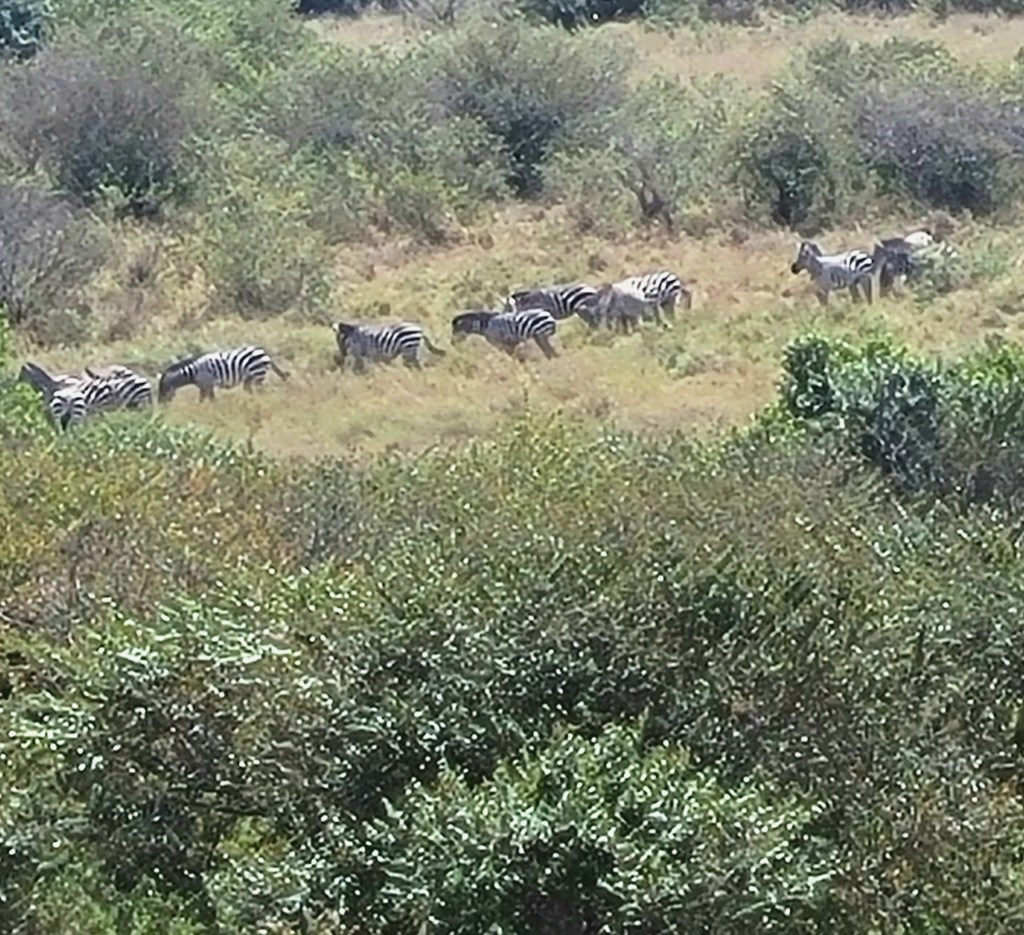
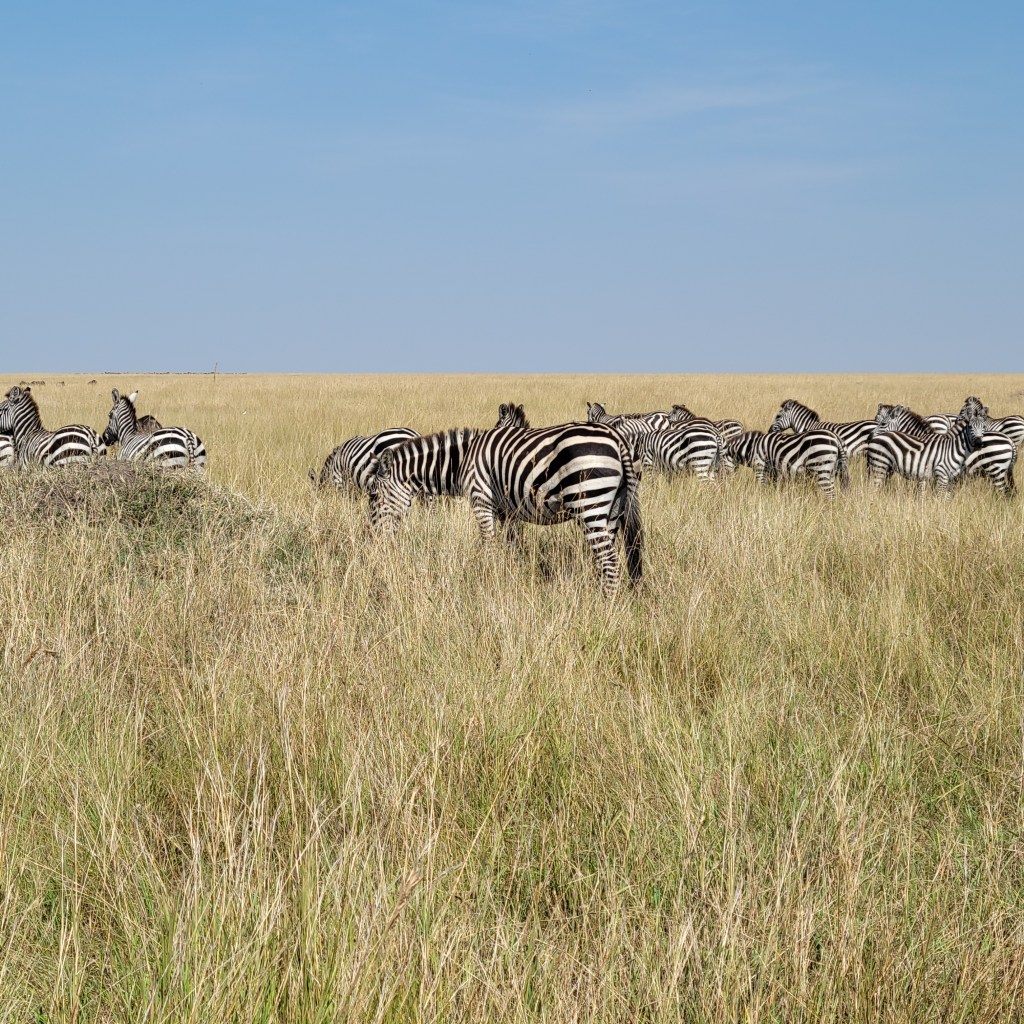
Zebras
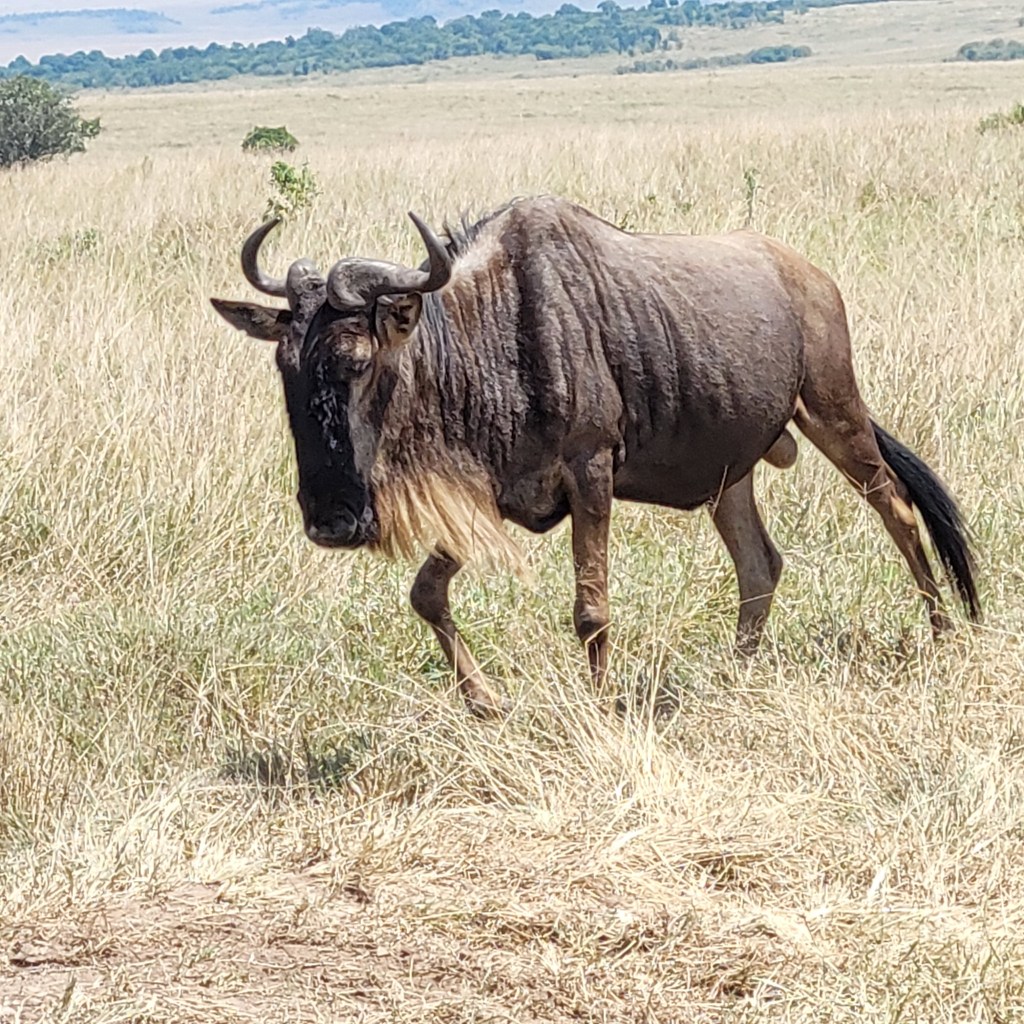
Rene says wildebeests look like they were assembled by a committee that couldn’t agree on what it was supposed be. “Is it a bull? Is it a buffalo? Is it a cross between a horse and a mountain goat???”
LOL! It is, in fact, a type of antelope and there are an estimated 1,300,000 that travel between The Serengeti and Masai Mara regions during the annual migrations.

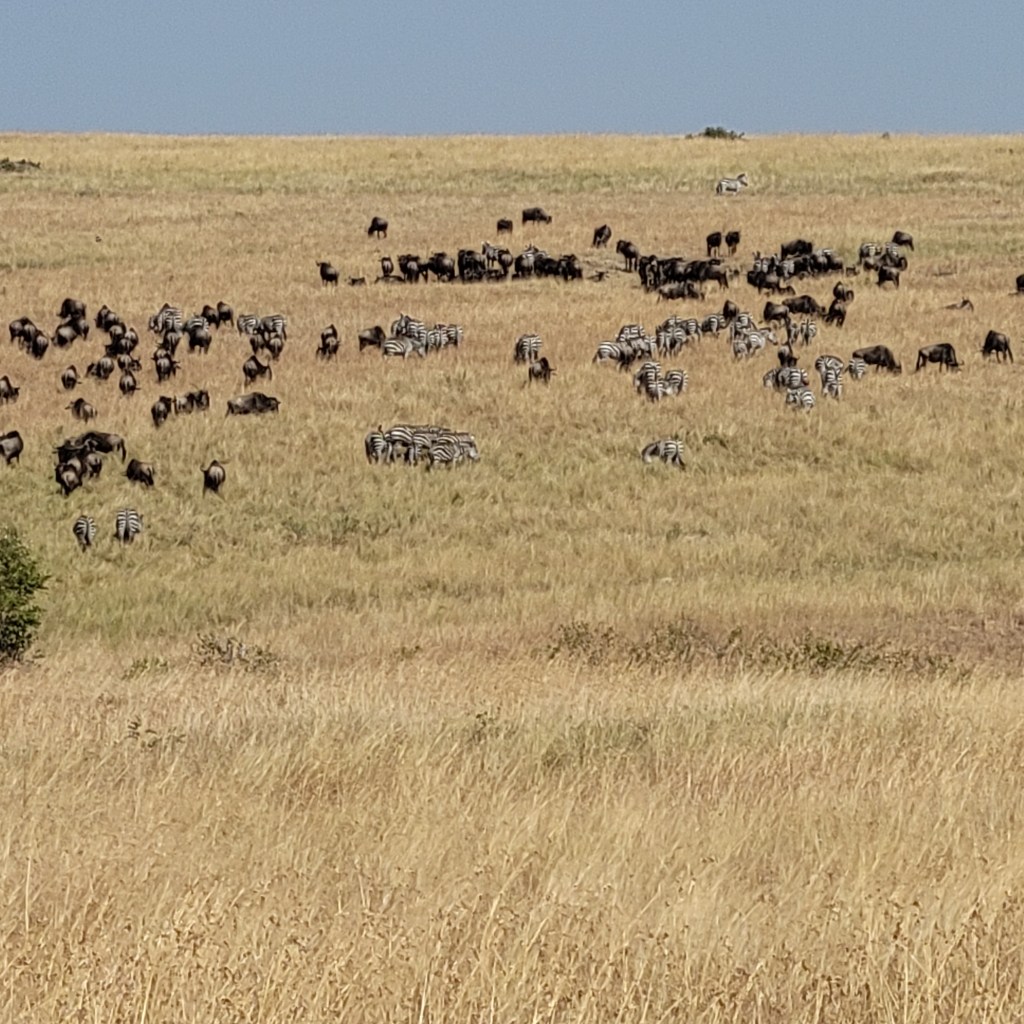
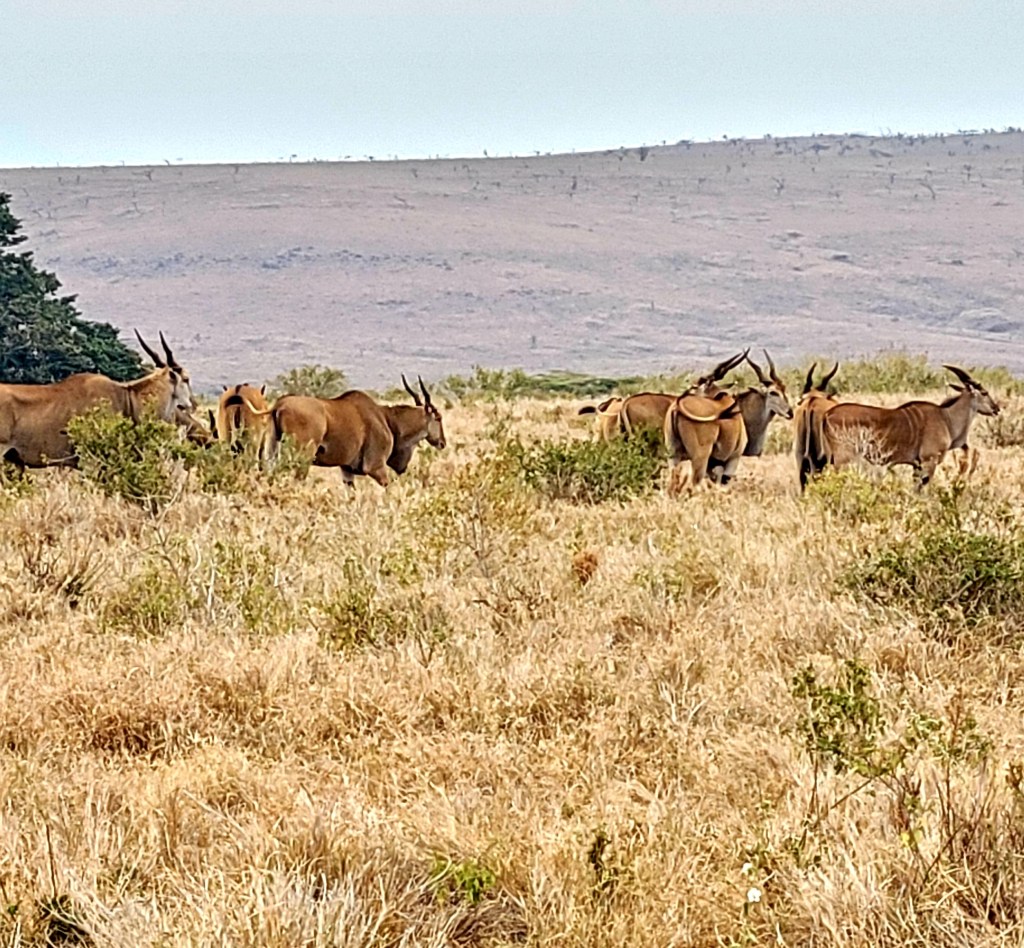
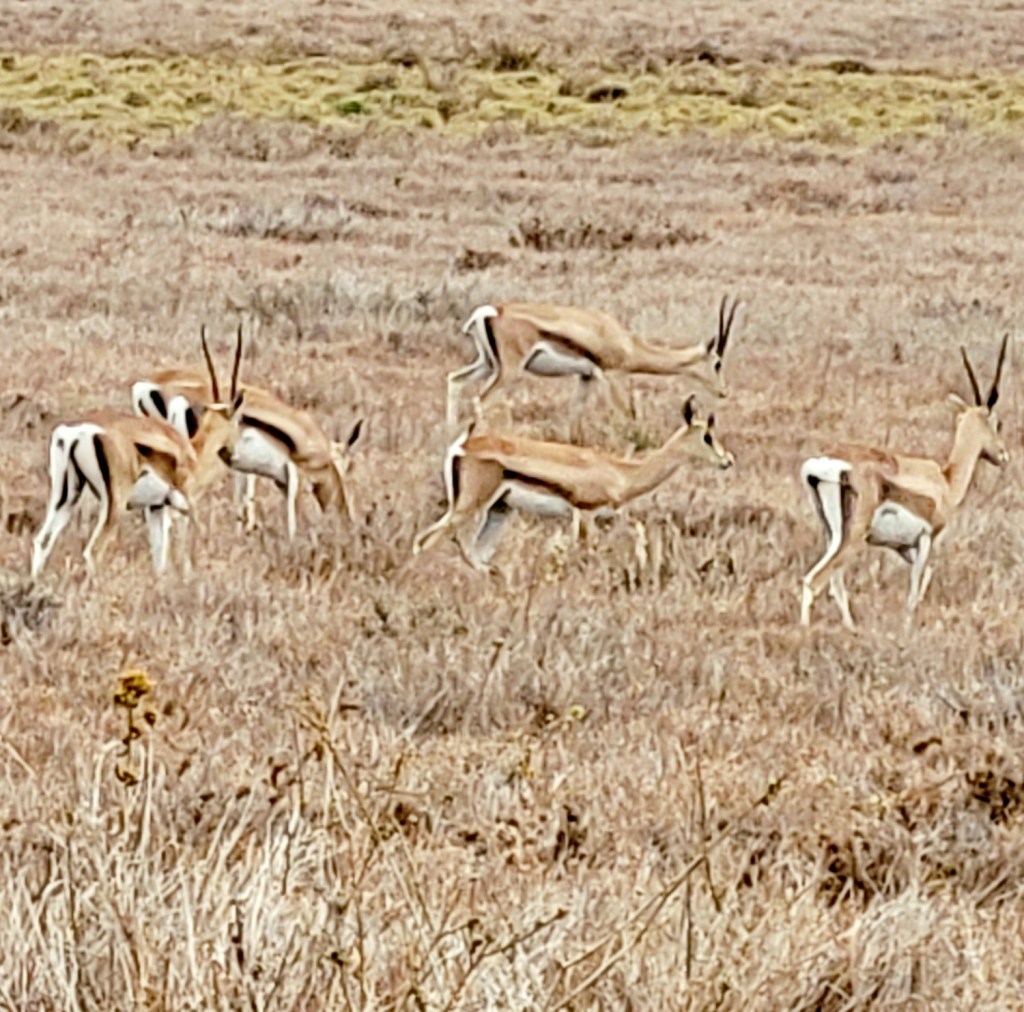

BUT there are also other significant actors in this play! With this smorgasbord of thousands spread across the plains, the predators in residence could not resist this delectable buffet.

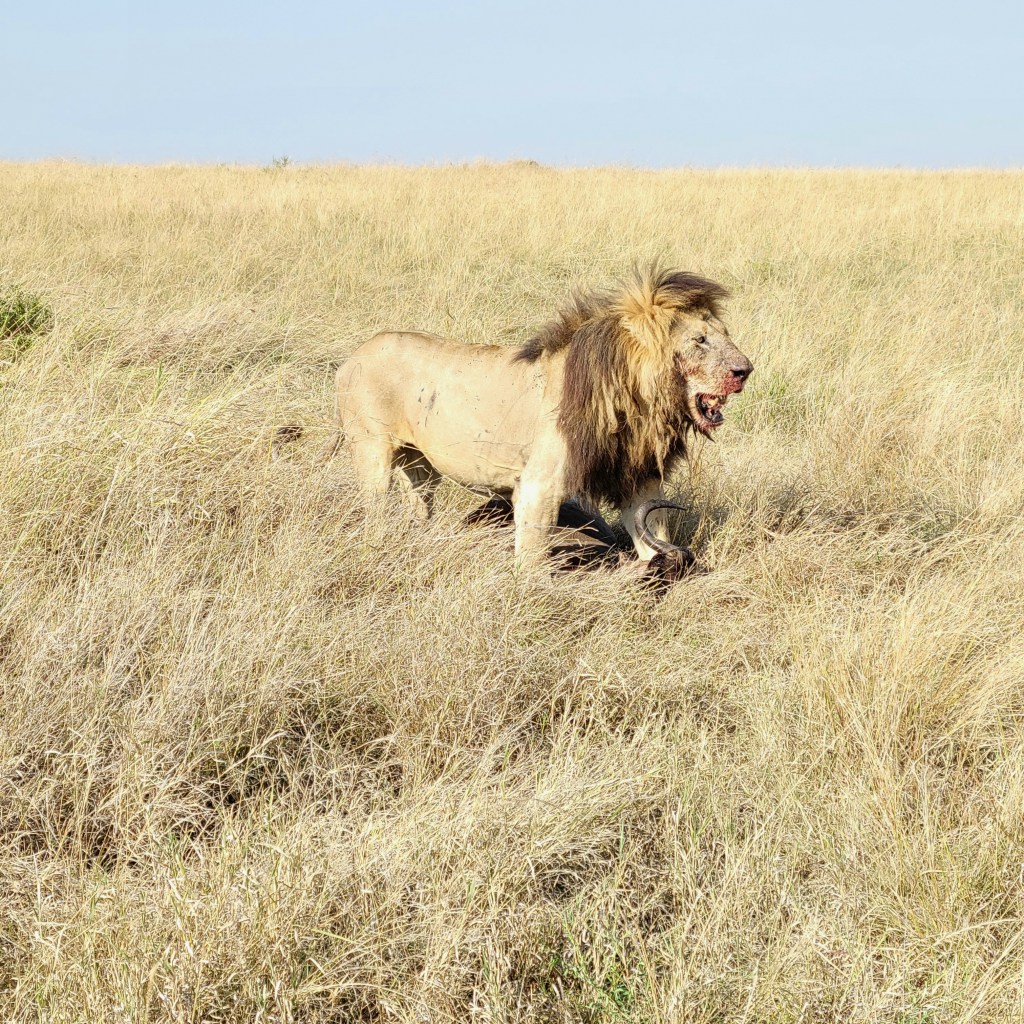

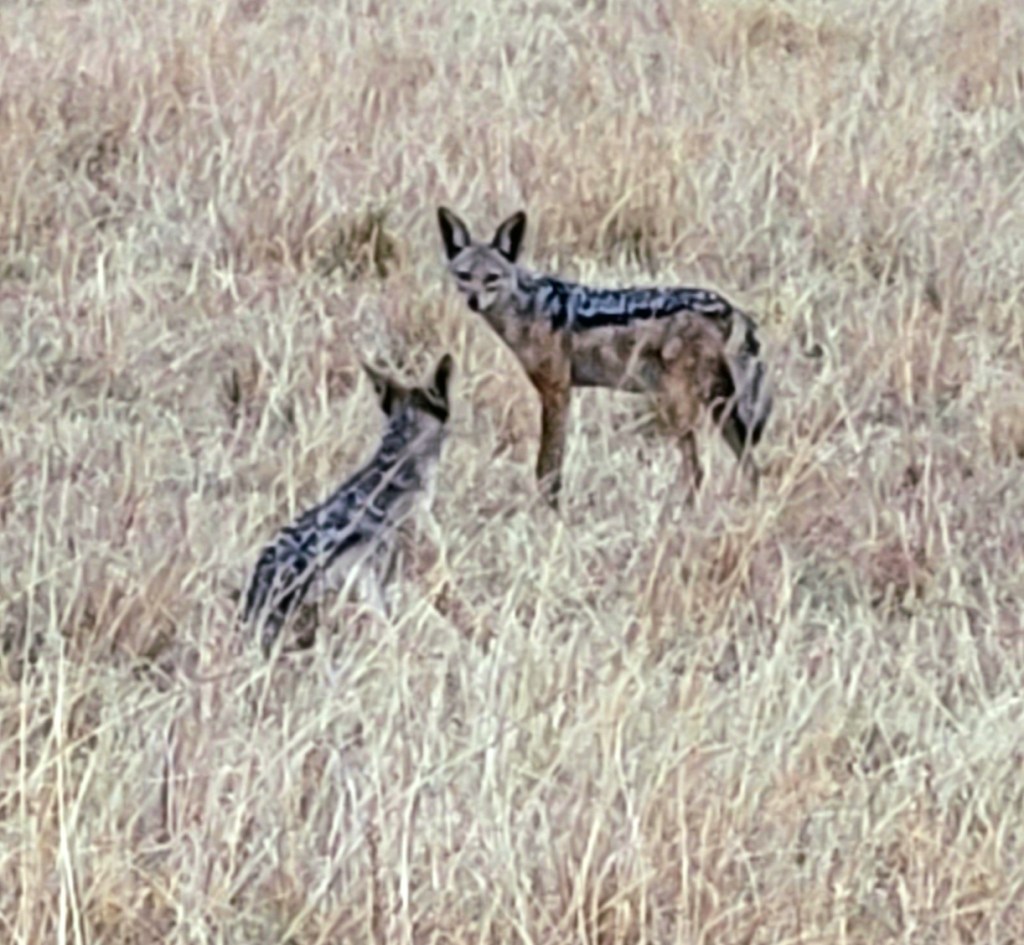

One last predator adds a clear and present danger to this drama!

While the other predators prowl the tall grasses of the bush for their prey, the crocs have sole advantage in the rivers!
Crocodile facts: Average male crocodiles are between 12ft – 16ft in length and weigh between 500lbs -1,650lbs. However, specimens greater than 20ft in length and weighing 2,400lbs have been recorded, YIKES!!!! They can swim between 16 and 22 miles per hour.
Hang on to your hats!!!
Our second day in Naibor, Moikai greeted us at our usual 6:30AM game drive with an excited, “The herds are on the move!!!!!” We leapt into the jeep and left in a mad dash on a very crazy, rough, harrowing trek to a wide bush area near the river where we joined 30+ other jeeps on the same wild quest – we were going to see A CROSSING!!!
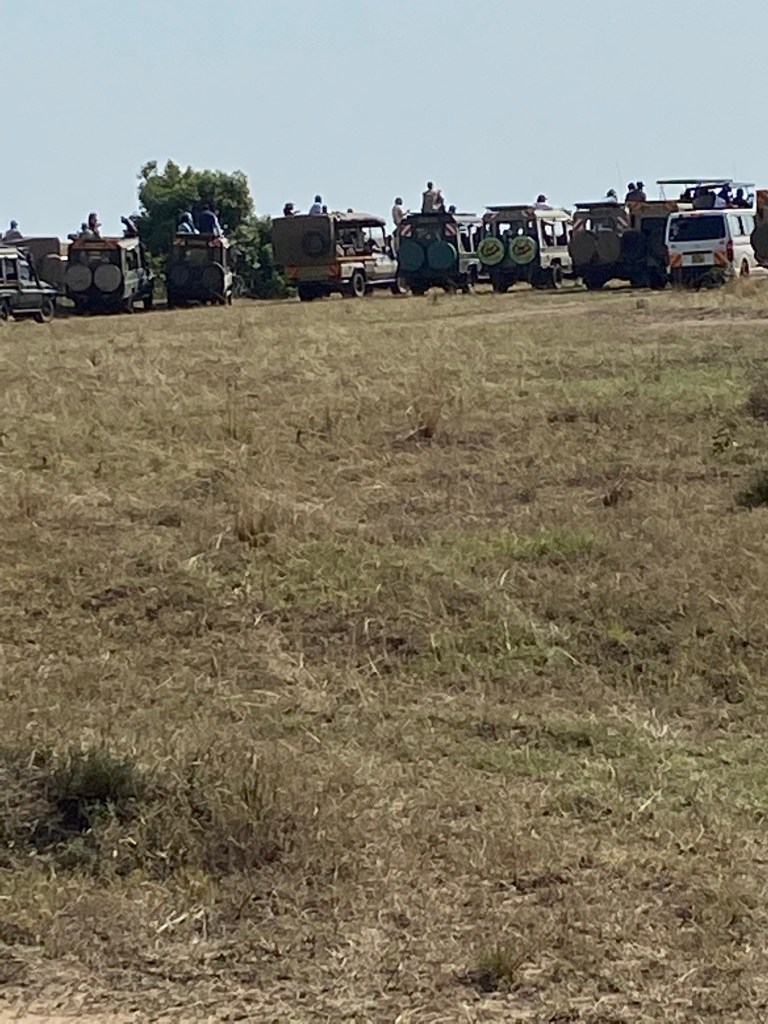
A crossing is a very bizarre ritual. As we waited for the herds to continue – the herds would stop and graze for a bit and then start again, Moikai explained that the zebras are, by far, the smartest of the migration animals and therefore are the natural leaders. They lead the herds and send scouts out to find the best places to cross the rivers, searching for crocodiles and other predators. If they don’t like what they see, they turn around and go somewhere else while the other migrators await their instructions.
When the zebras made a decision, they would head out with all of the animals, humans and otherwise, in tow.

As we sat watching and waiting for the animals to make the next move, Moikai told us more of the dynamics between the zebras and the wildebeests. Evidently the zebras are not only smart but also cunning. They lead the herds to the most strategic spot in the river for the crossing, but then they stand back and wait. Eventually, a wildebeest will get impatient and take the first move charging down the river bank. All the wildebeest and others follow its lead. With the crocodiles waiting below, the zebras hang back for a bit letting the wildebeest and others blaze the trail. When the crocs are well occupied, the zebras make their way safely across… hmmmm, pretty sneaky!
We sat waiting for the animals to move again, near the river but not close enough. Jeeps and animals were just stopped.
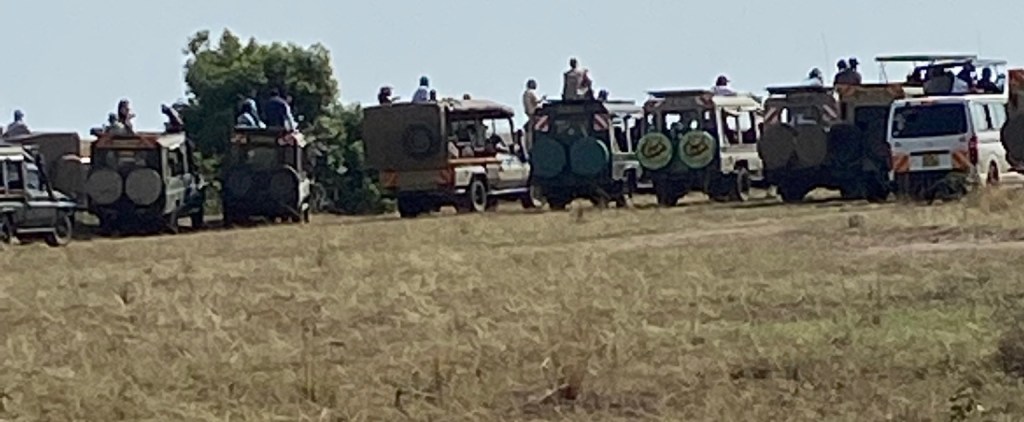


Rene and I were standing on the back seat watching out the top of the jeep. The animal herds gathered, and gathered, and gathered then all at once they all took off stampeding toward the river with the jeeps in hot pursuit! Moikai yelled “Hold On!!!”

As Moikai raced, jockeying with the other jeeps, to claim the best spot for viewing this crossing, Rene and I were laughing and holding on for dear life! Rene shouted over the roar, “I FEEL LIKE I’M IN A FREAKING INDIANA JONES MOVIE!!!!!!” We were still standing on the seat being thrown about and showered in dust! It was crazy exciting and so much fun!!!!!
We reached the river and found a spot at the edge of the embankment! All the jeeps stopped and everyone watched, riveted, as thousands of wildebeests, gazelles, eiland, and zebras surged down the embankment, into, and across the river! WOW, WOW,WOW!!!
We watched as thousands of animals surged across the river and up the opposite embankment, and then it was done. As quickly as it started, it was over. Those herds and herds of animals were now on the other side and peacefully grazing as if nothing wild or crazy had just taken place. Incredible!!!
Then, as if on cue, all the jeeps started up and we began making our way back to the various safari camps. Rene and I were exhausted but so truly grateful for this amazing experience.
The next day we bid our sad farewells to Moikai and Naibor National Reserve. They, as well as Misheck and Lewa Safari Camp have our eternal gratitude for helping us make this trip a dream come true!


We will miss our Sundowners and the stunning sunsets in the bush, as well as all of the friends we made along the way!
Next stop, a little R&R in Vipingo. You won’t want to miss this! See you soon.
Please, leave comments if you are enjoying our journey.
 CharliExplores
Beautiful pictures. Thanks for sharing.
blessings becky
>
LikeLike