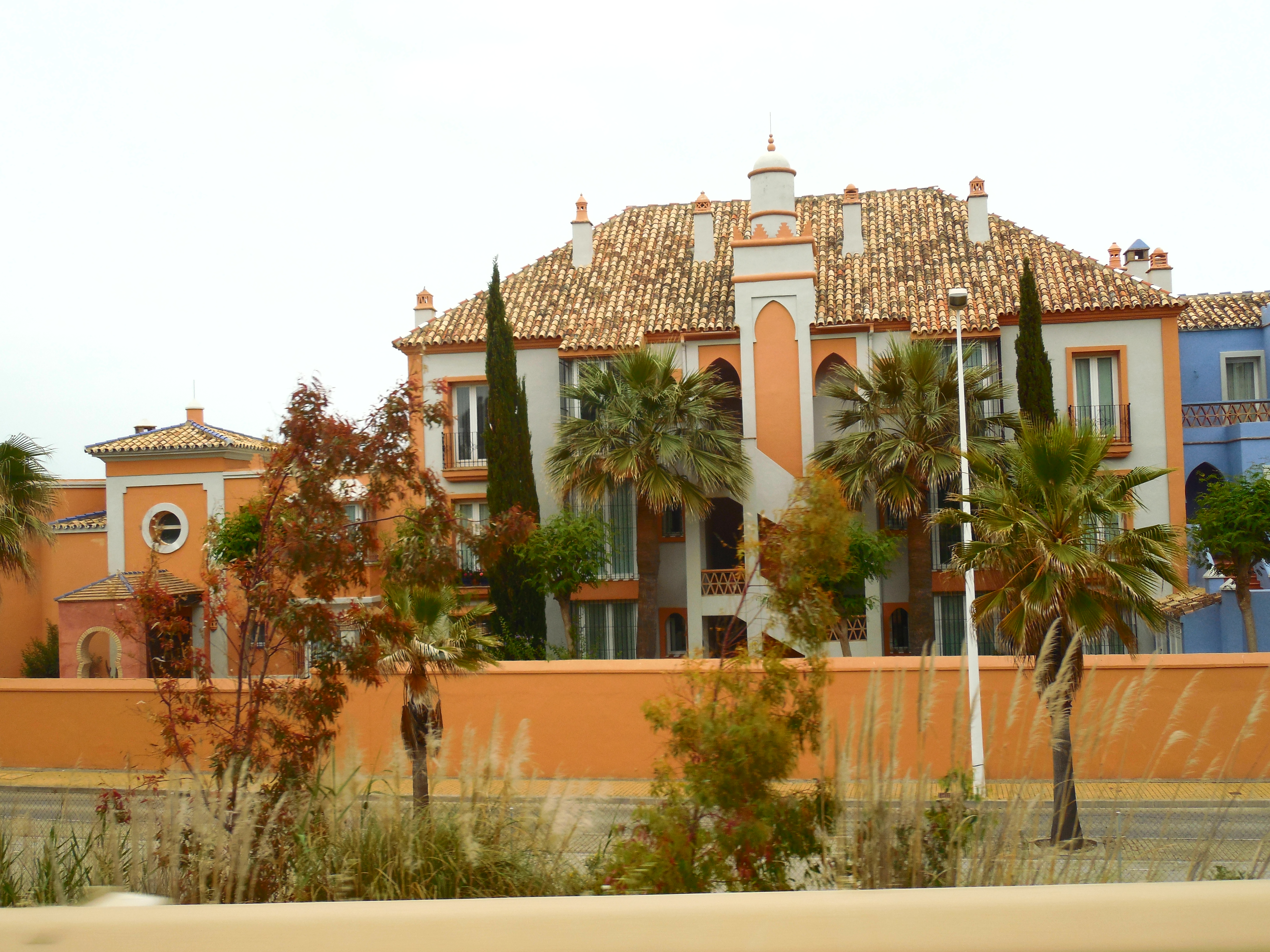
Unlike the beautiful clear weather we’ve experienced so far, Tuesday May 13th dawned overcast and foggy. Despite the leaden sky, we decided to proceed with our trip to the famous Rock of Gibraltar. Even with the overcast skies, the scenery along the hour long drive was beautiful.


History: Before we move on, let me give you a bit of background information on Gibraltar. Gibraltar is a strip of land on the southern tip of Spain that juts into the Mediterranean Sea creating a narrow passageway between the Mediterranean and the Atlantic Ocean known as The Straits Of Gibraltar. Over the years this well positioned strip of land has been fought for and held by numerous countries. The current ownership belongs not to Spain but to Great Britain which has held possession of the fortress , despite many skirmishes, since 1704. In 1705 Gibraltar was declared a ‘free port’, which led to its development as an important international trading center and thus increased the desire of other countries to gain its possession and control. Over the years the attacks continued and in 1779 work began to drill a tunnel through the upper rock to place a cannon at a strategic vantage point on the southwestern face of the Rock. Dust while working in the tunnels became so bad that the digging of side tunnels was ordered to create ventilation shafts to the outer wall. It was soon realized that these shafts would make perfect cannon embrasures and more were added. The tunnels were extensive and were used over the centuries to defend the interests of Great Britain in not only the Great Siege 1782 – 1785 when France and Spain partnered to gain control of Gibraltar, but also during both WWI and WWII.
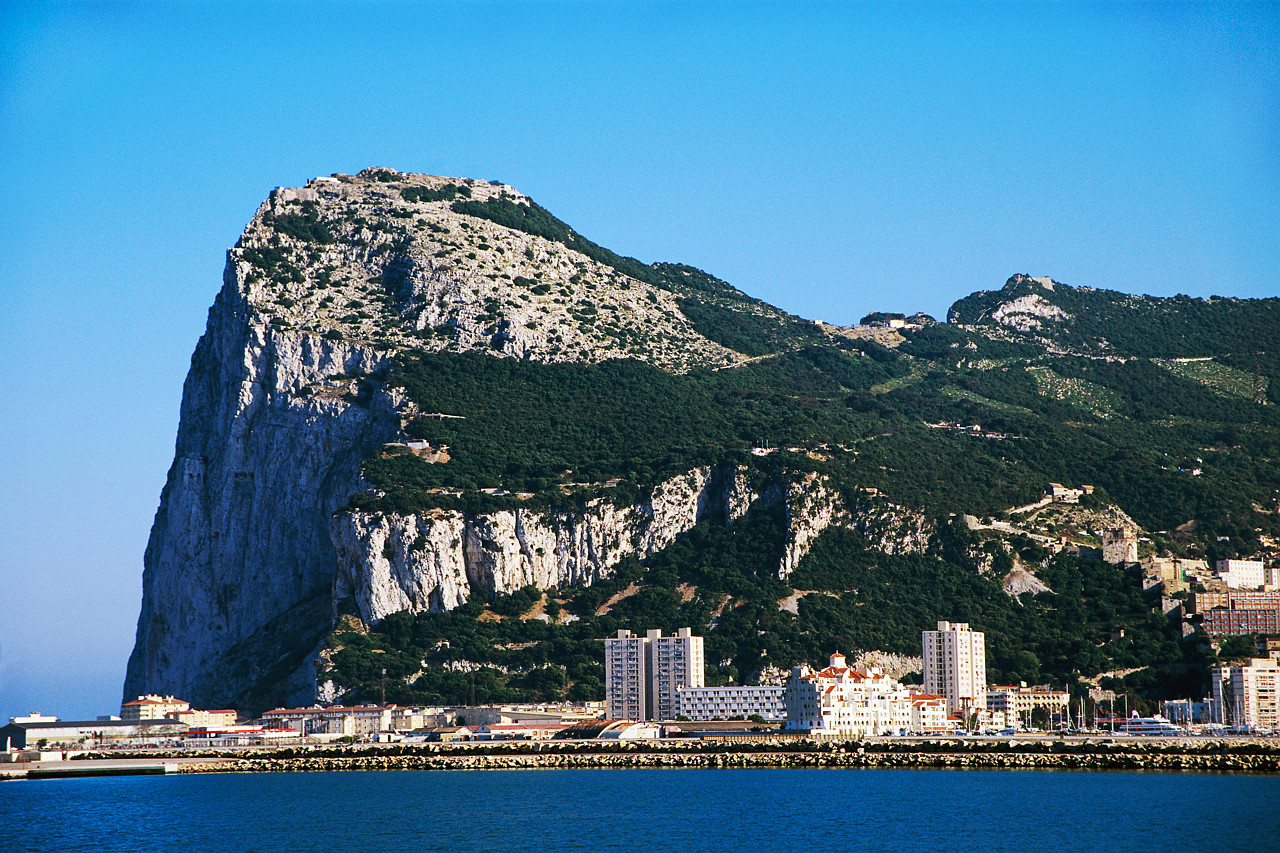
Okay, enough of the history. Tom and I drove into the city and walked several blocks to the cable car station at the base of the Rock, bought our tickets and headed up.
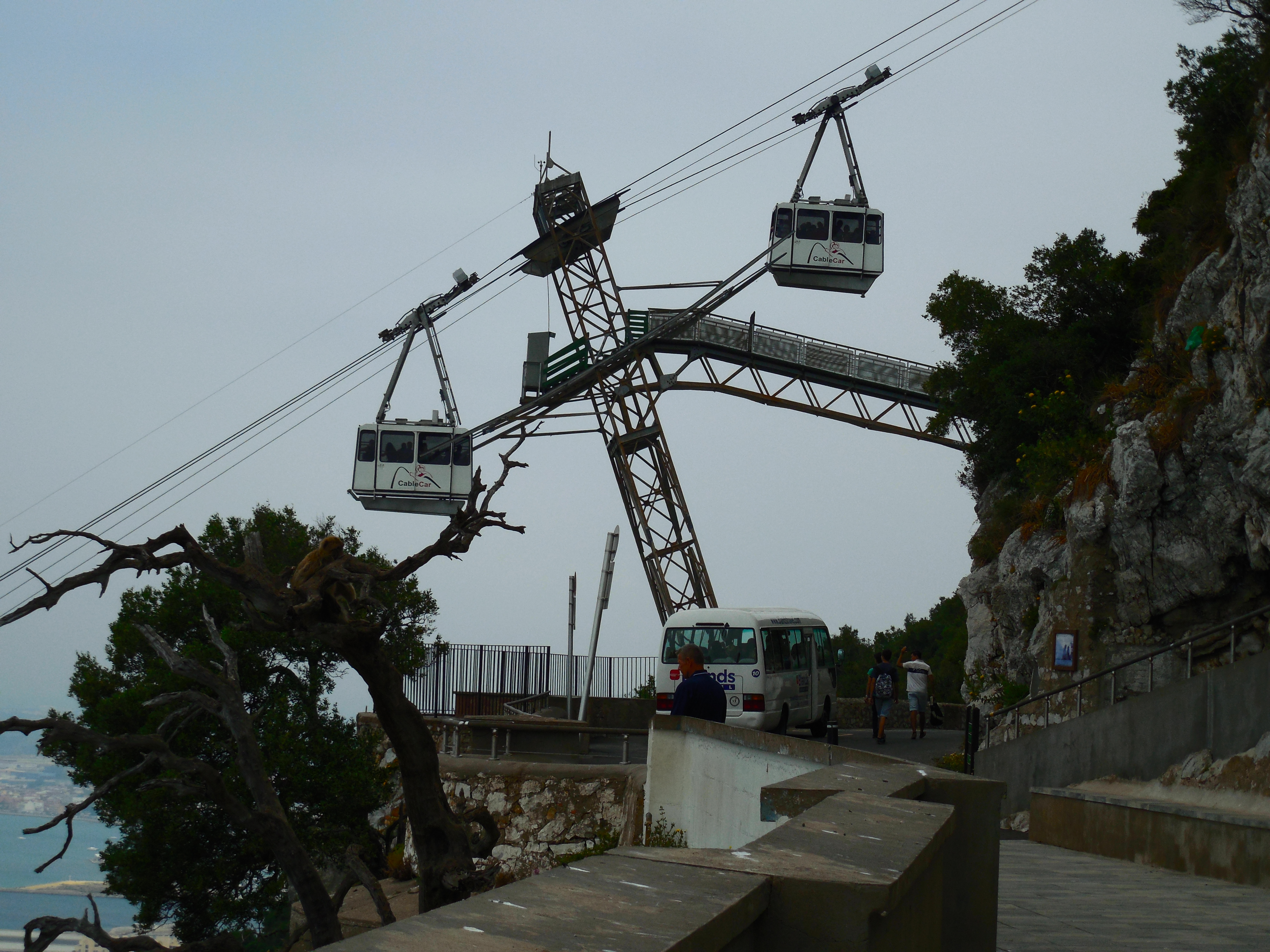
At the top we were greeted by some of the apes that call the area home. They seemed very comfortable around the tourists. At one point Tom was leaning on the wall overlook and the ape in the middle of this picture walked right over his arms.


We walked around the top for awhile,
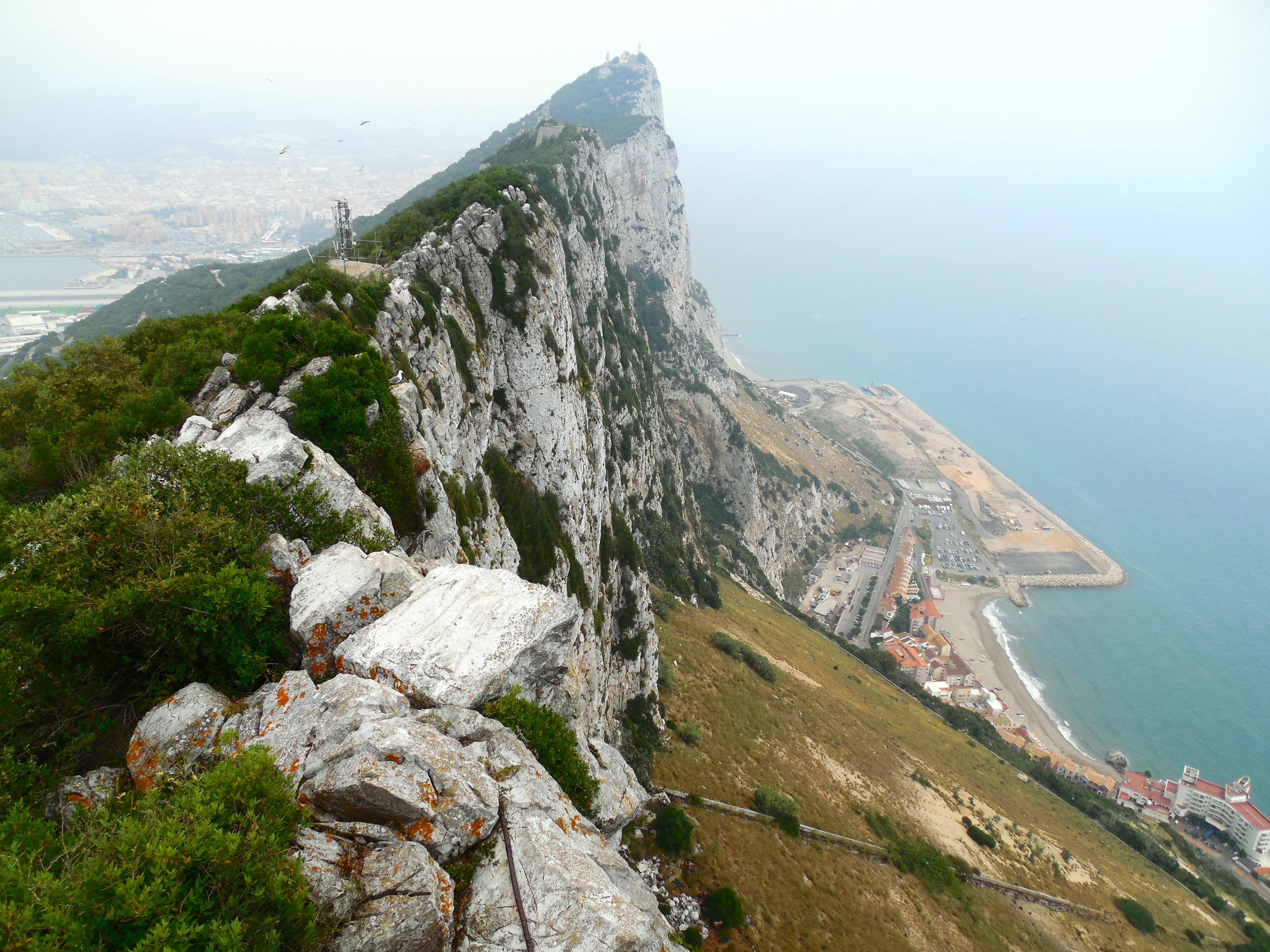
ate a quick lunch in the café/souvenir shop and then started our exploration in earnest. As I said, the cable car brought us to the top but from there a tour map leads you all the way down the side of the Rock to the town below with signs describing the sights along the way.
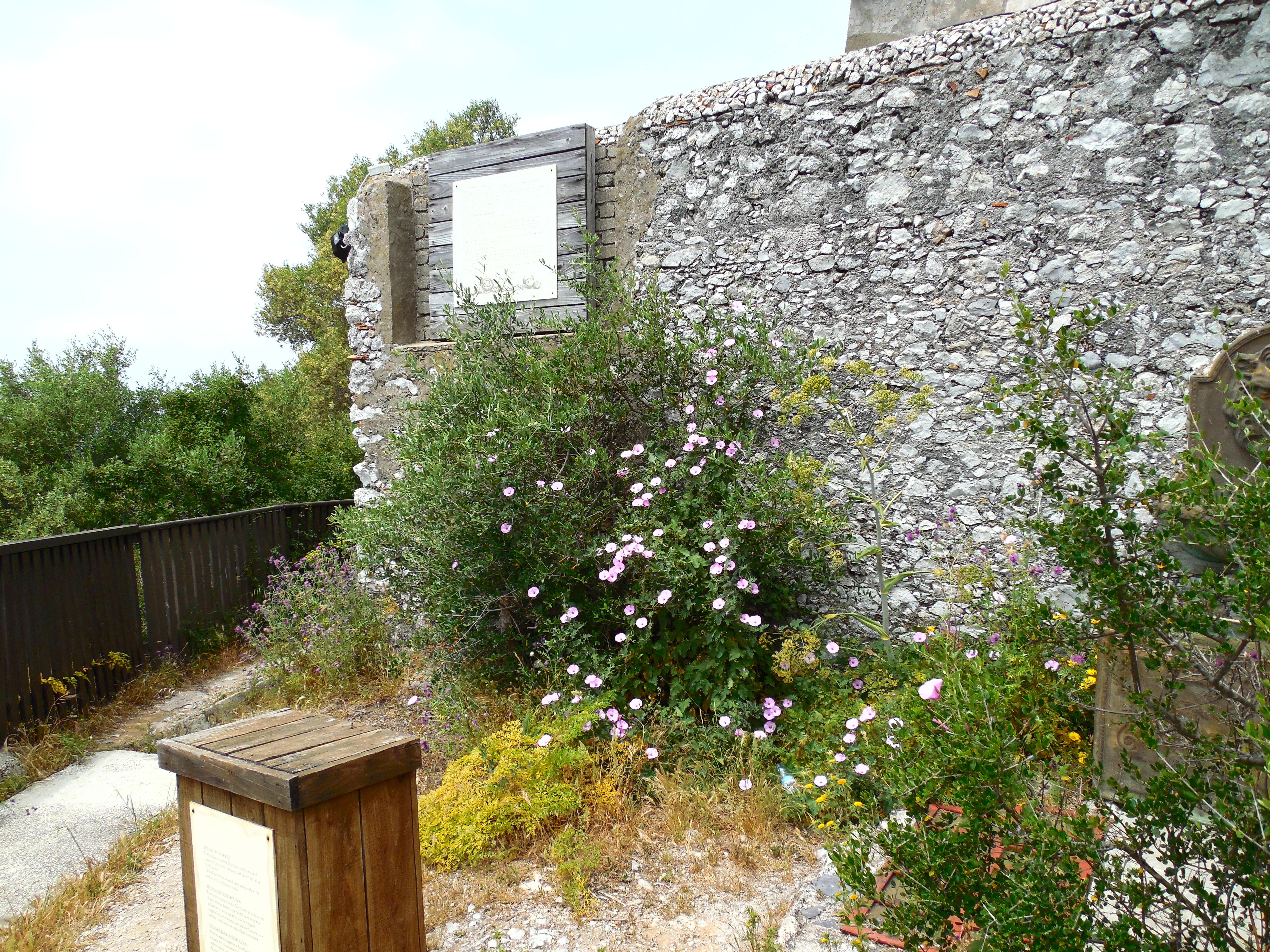
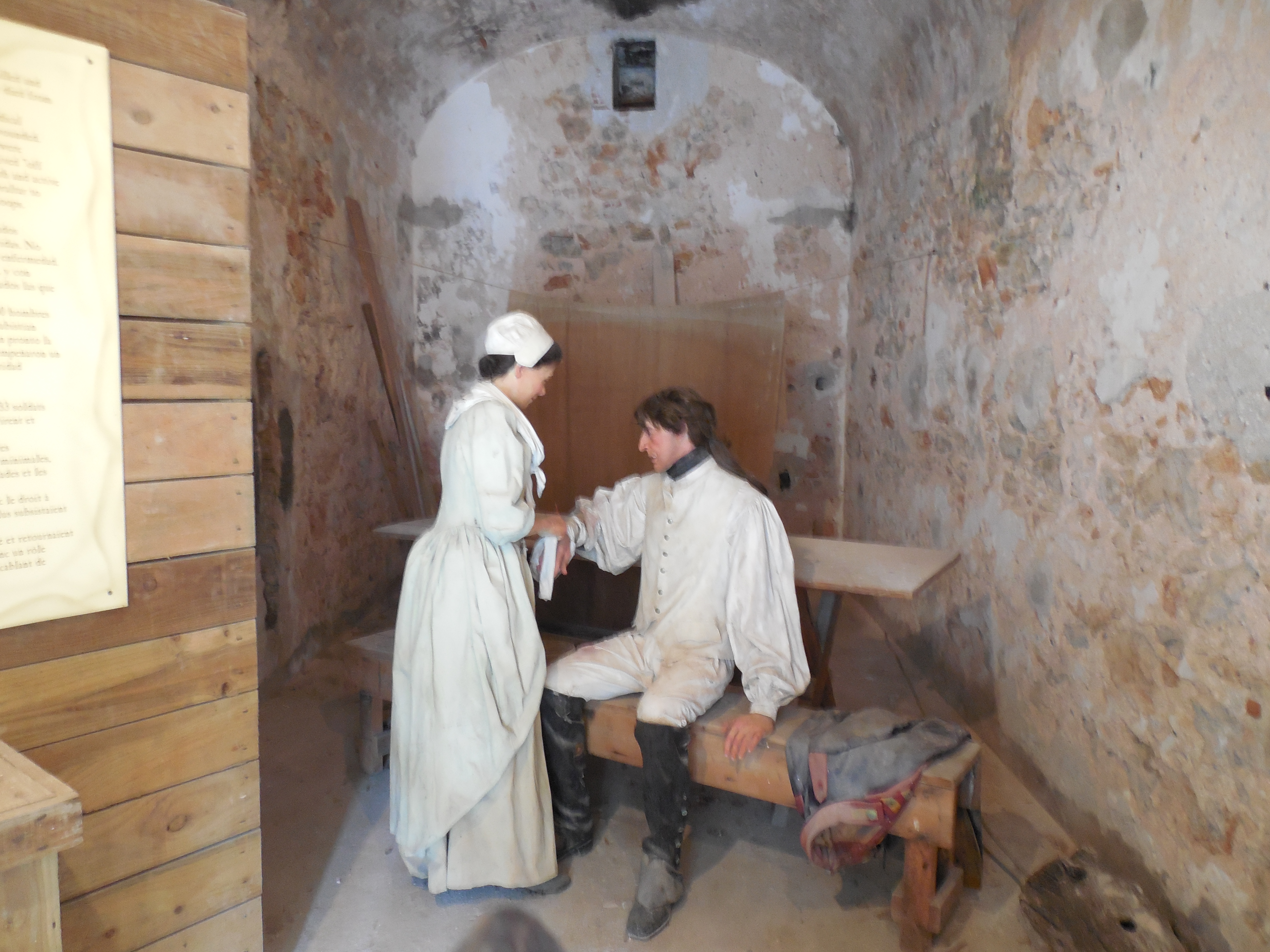
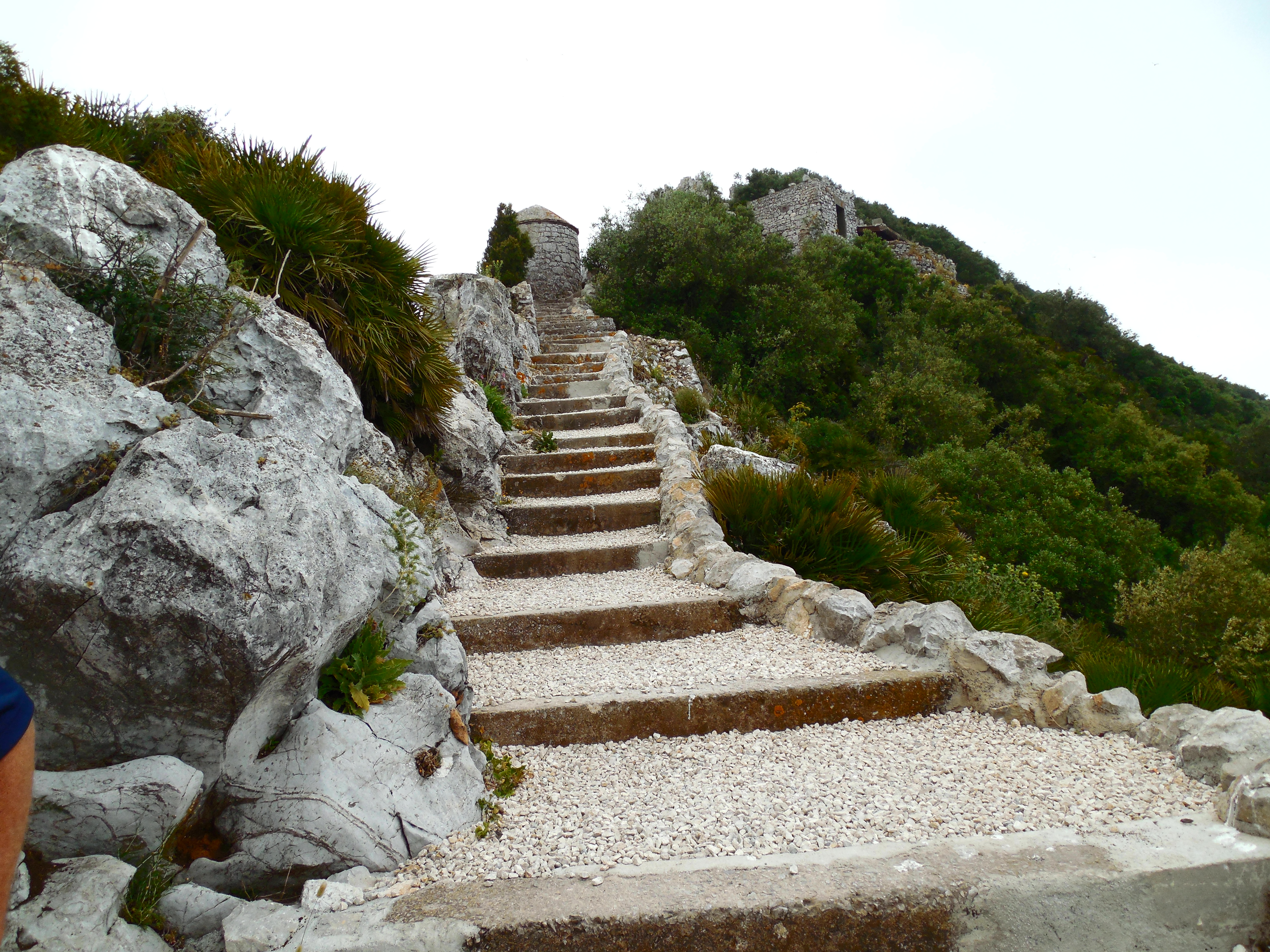
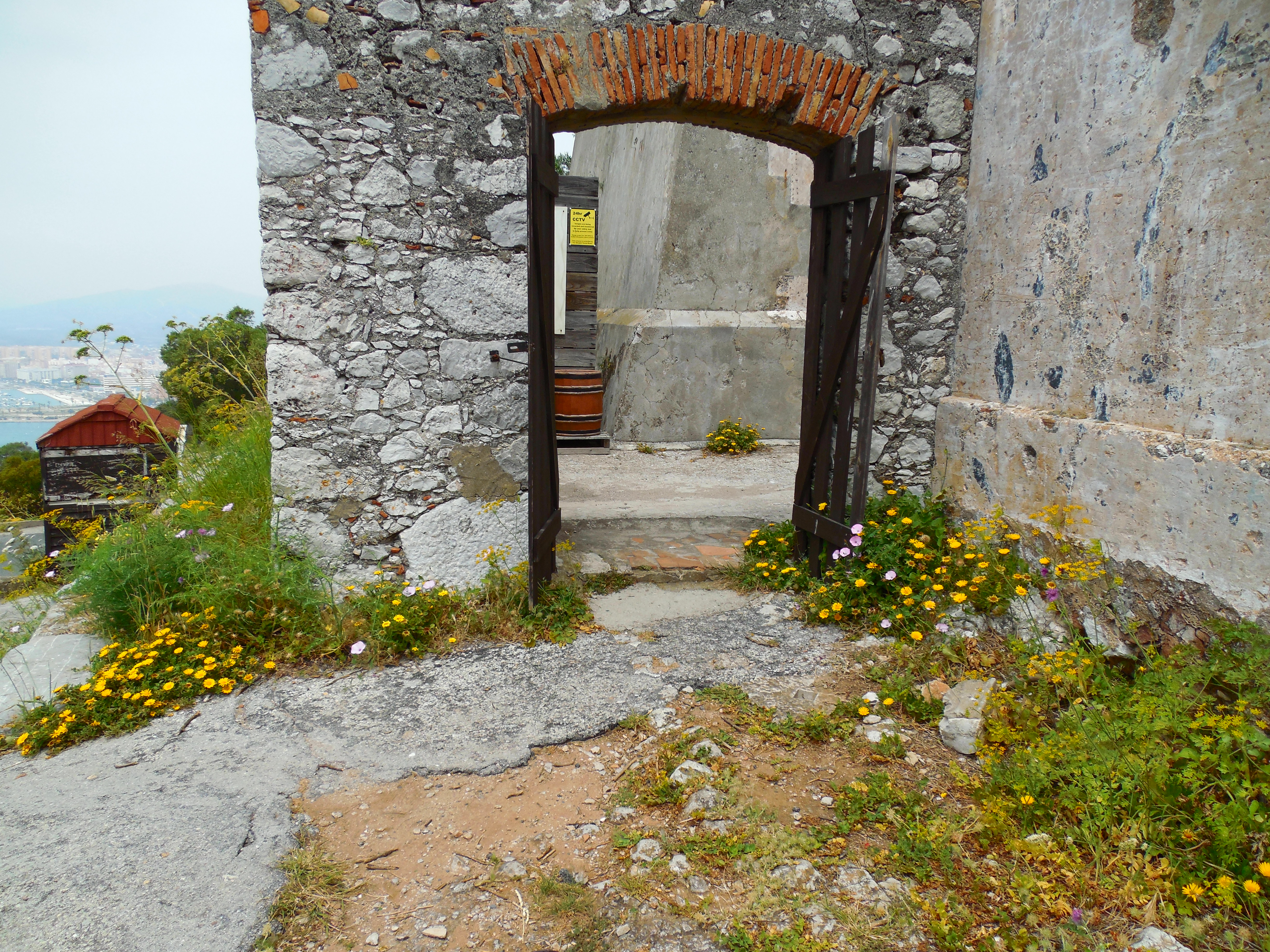
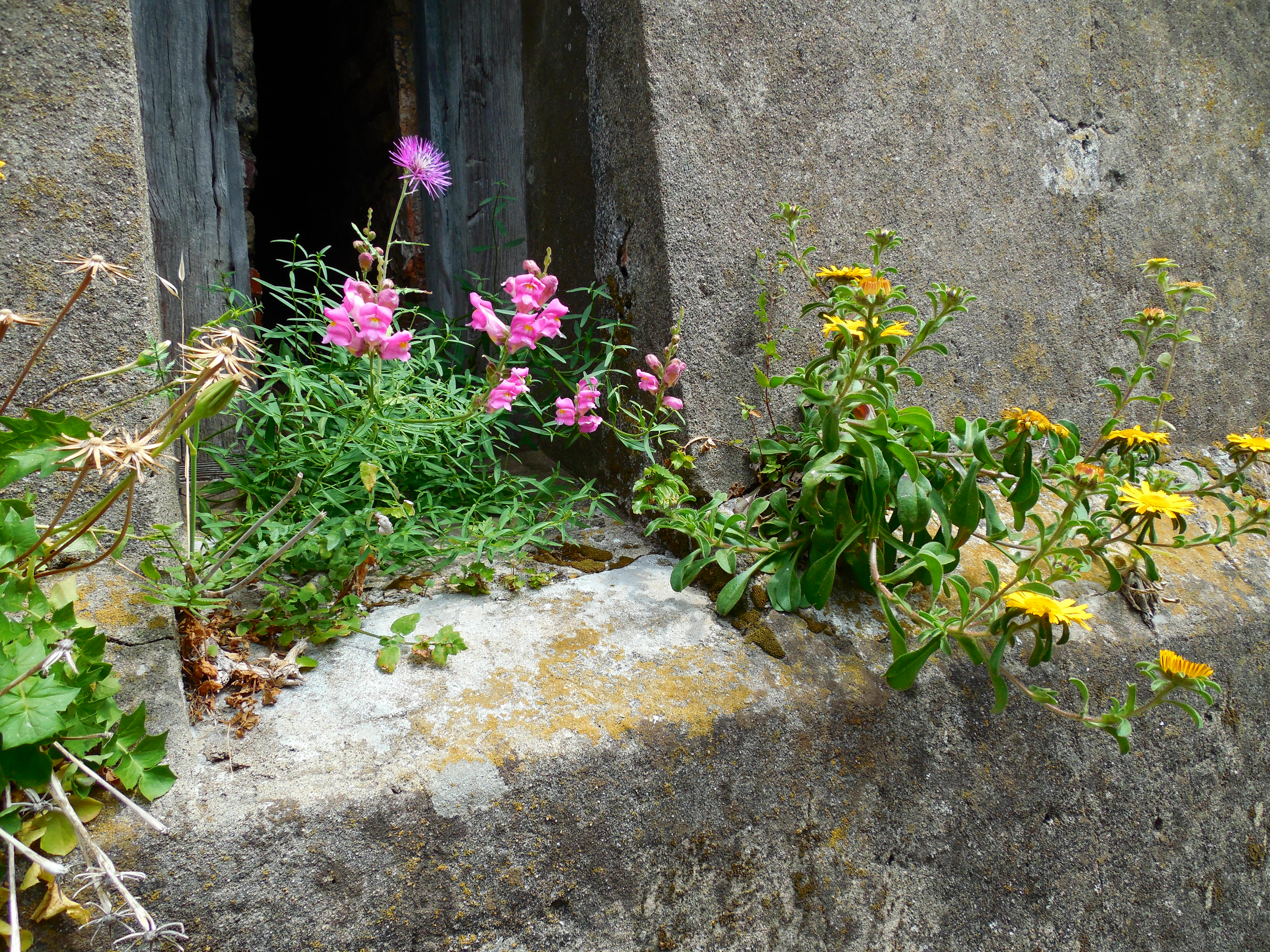
After quite a bit of walking, we came to the entrance of the tunnels described in the afore mentioned “History”.
Tom and I spent the next hour and a half following the main tunnel and reading about the past of this place.


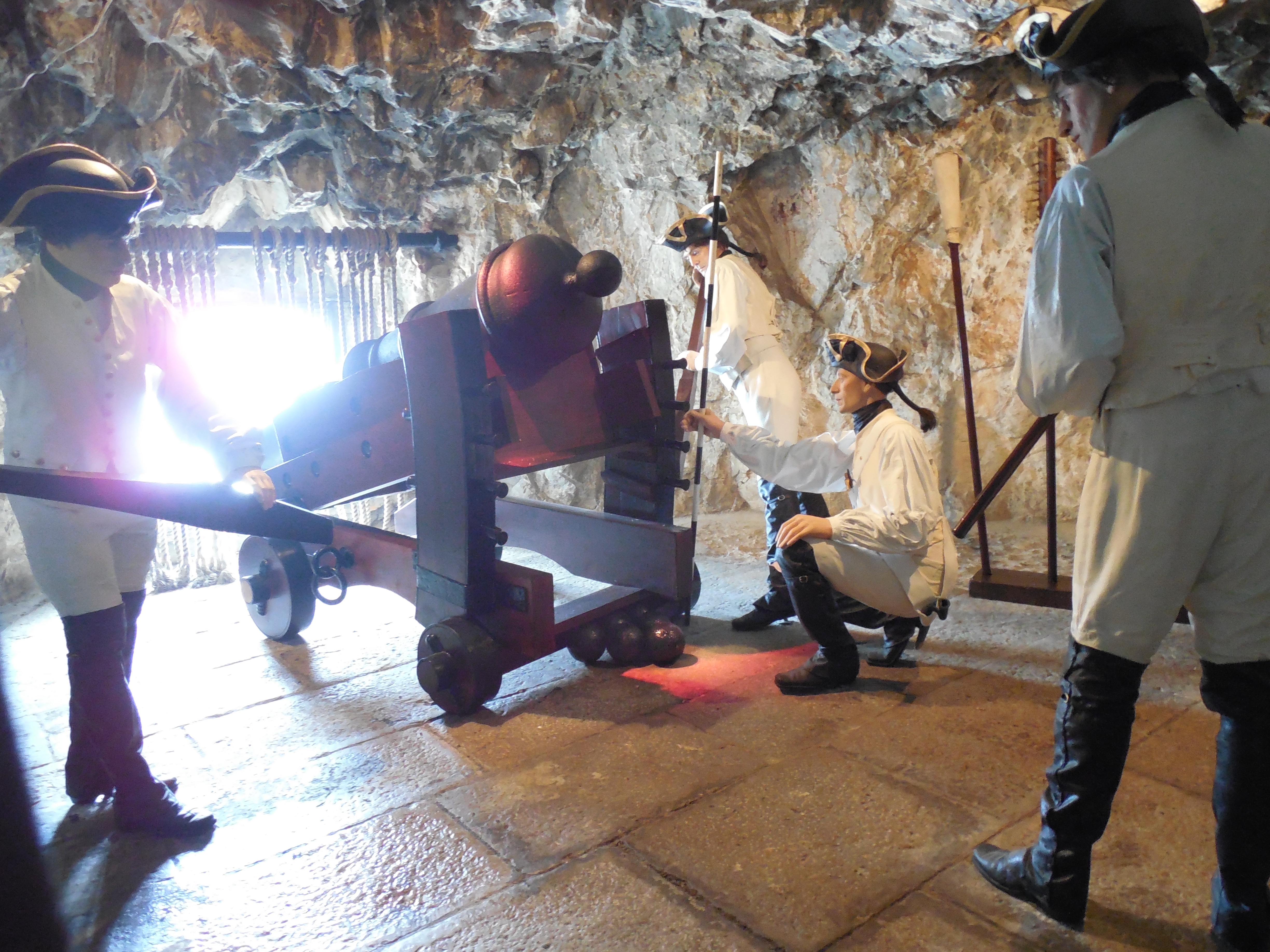

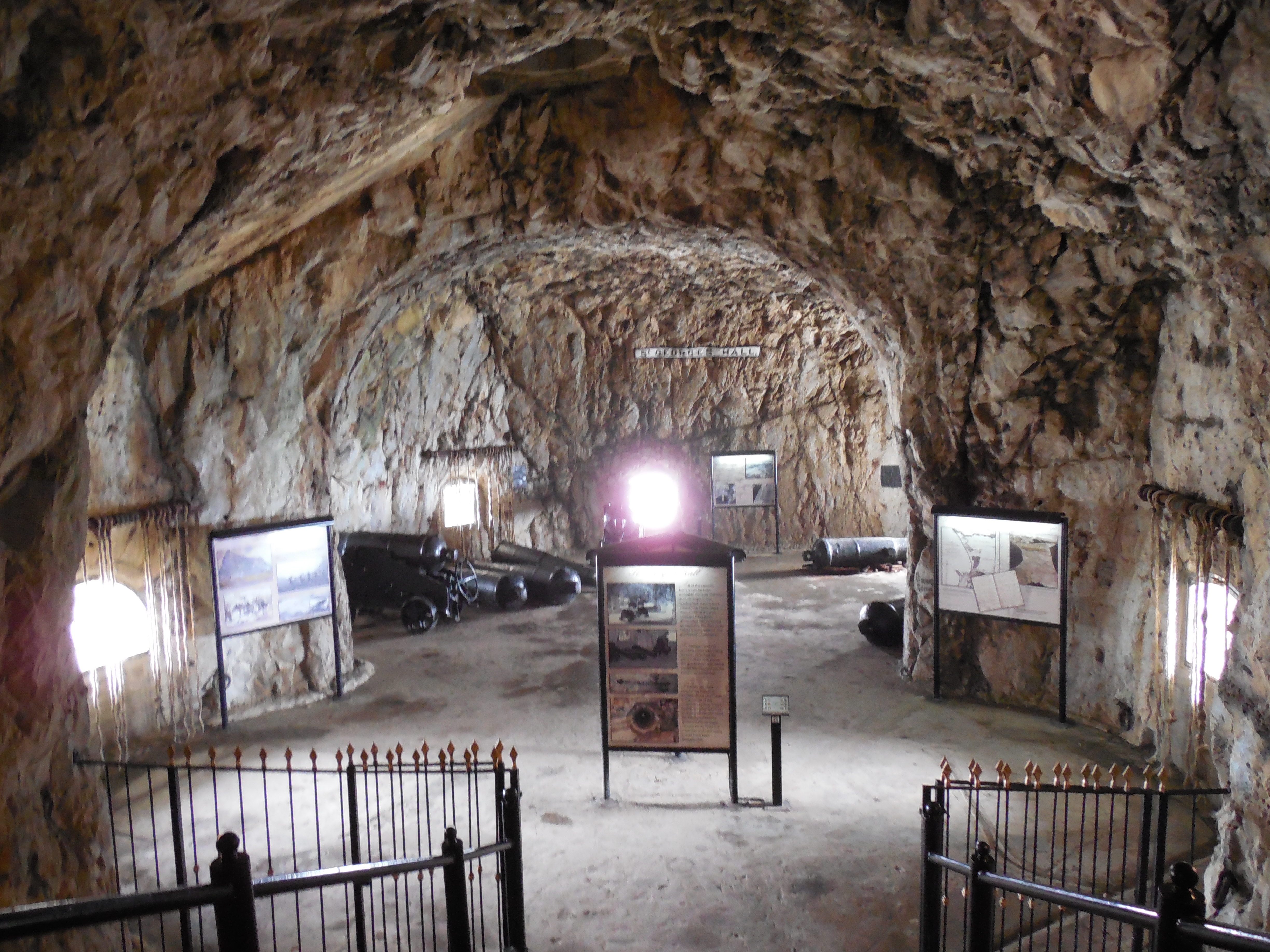
Once through the tunnels, we continued down the road toward the bottom.
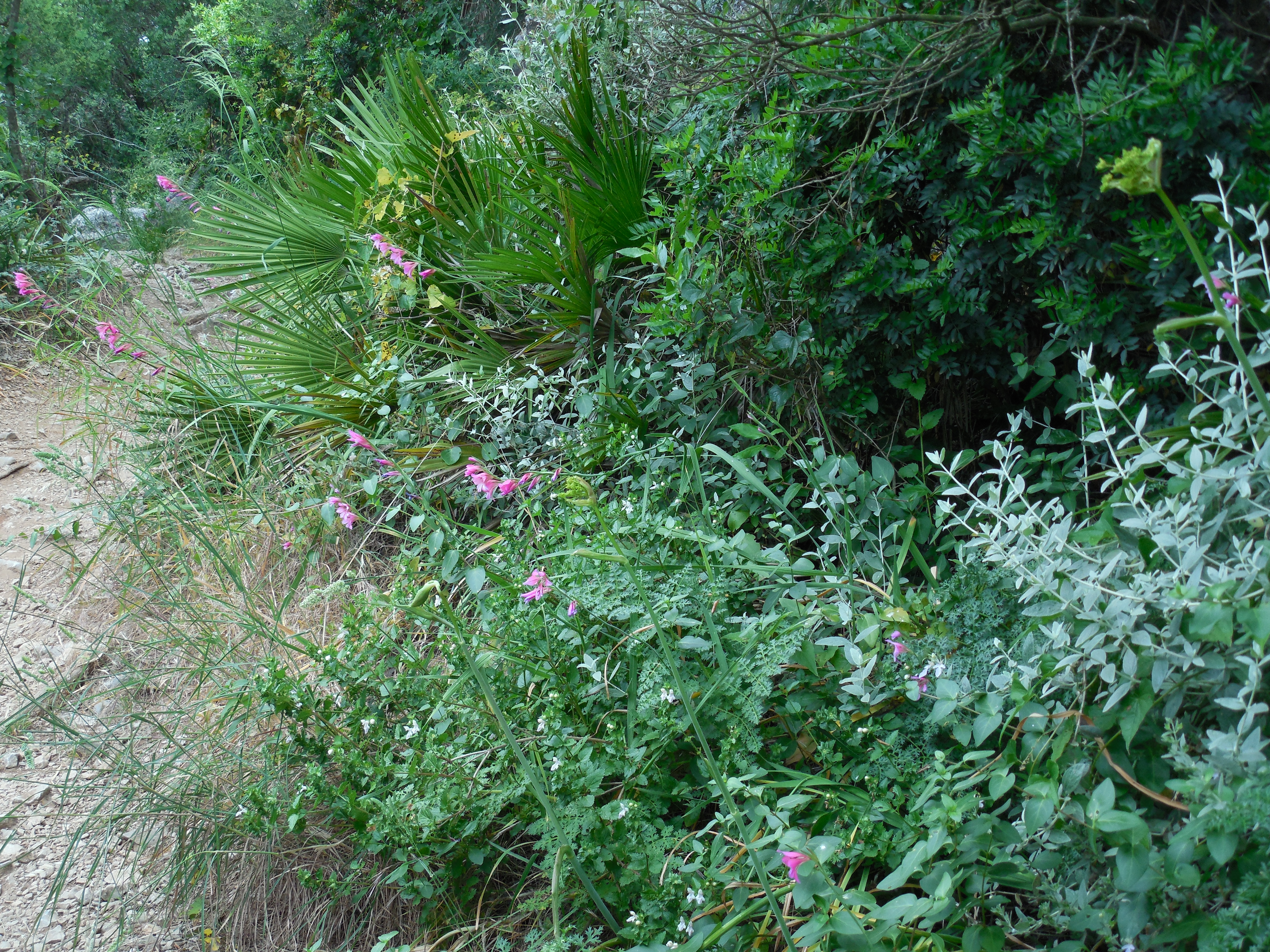
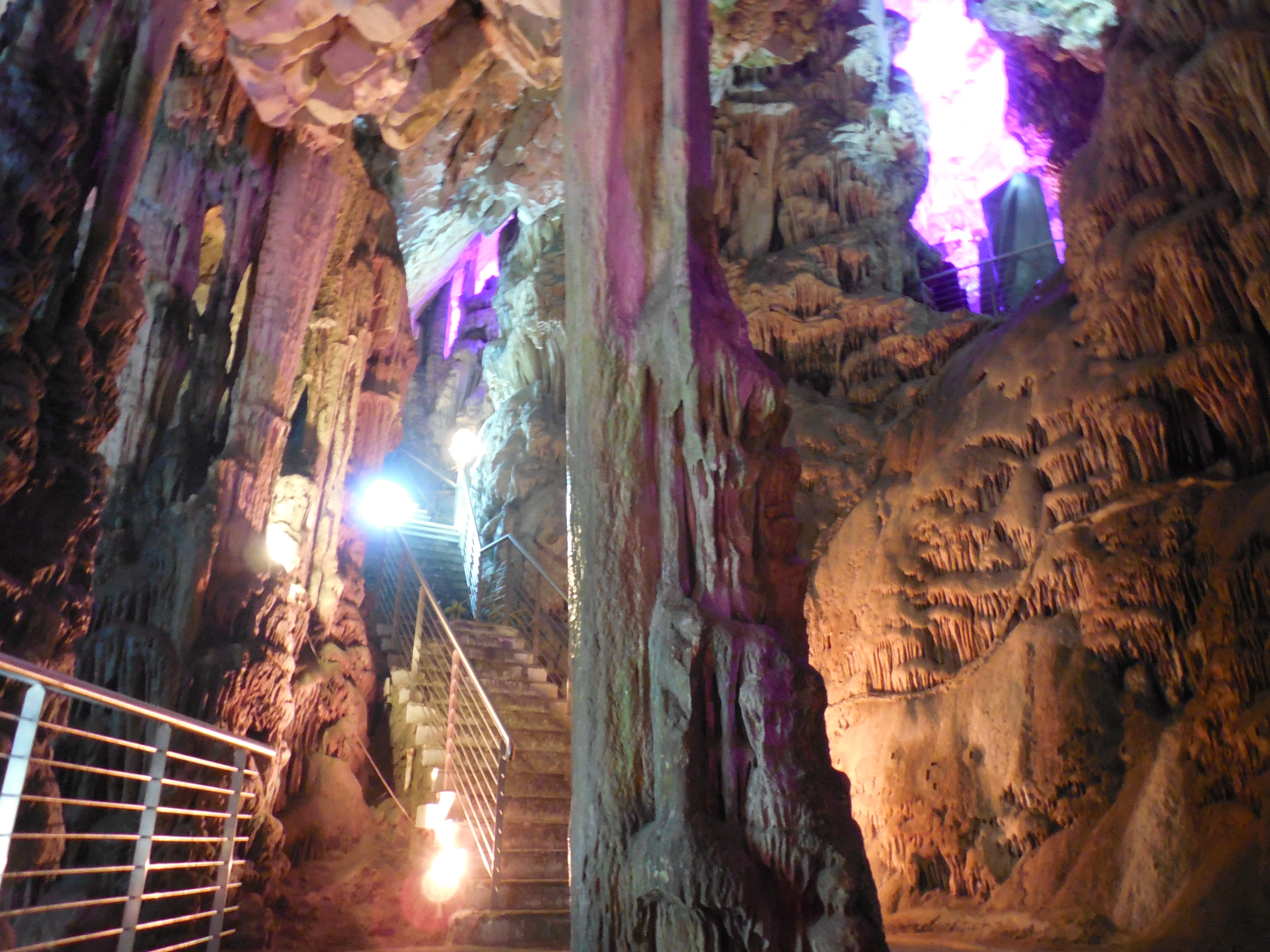
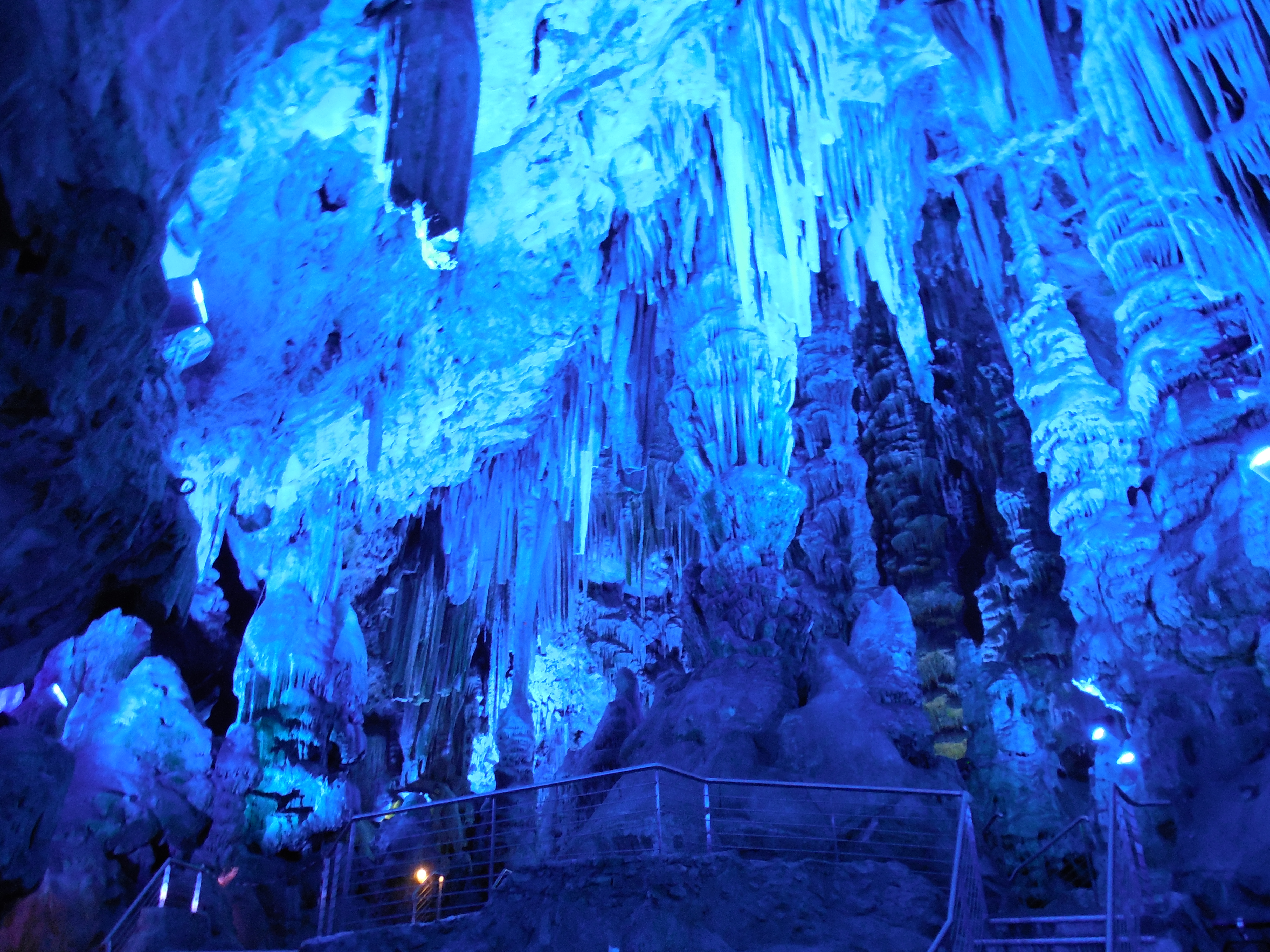
The next site we came to was St. Michael’s Cave. Some troupes were housed here during the early drilling of the tunnels. While not the most impressive cave we have ever been in, this one was pretty with soft music and a light show (nothing like when the tunnels were being constructed but cool anyway).
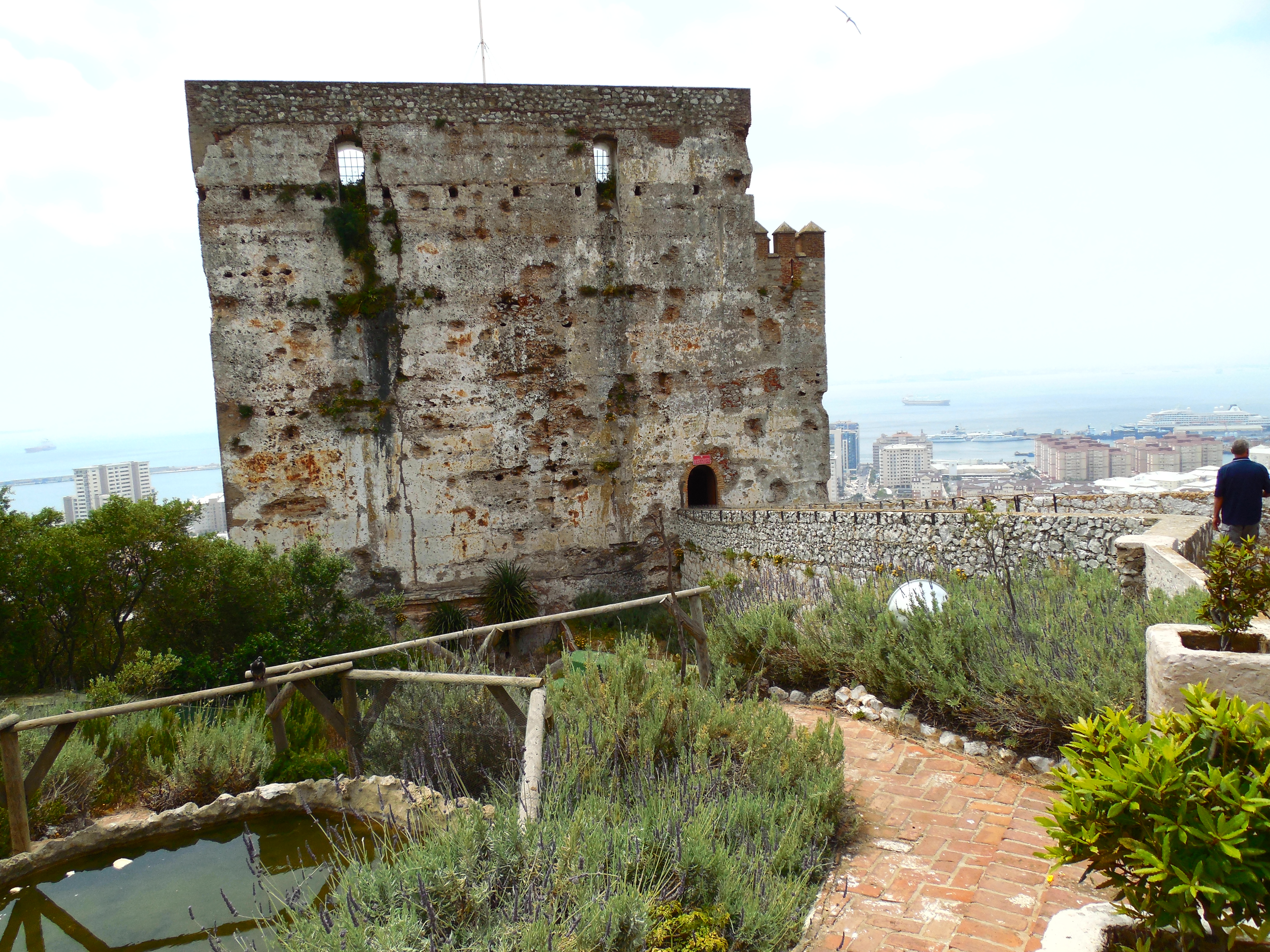
And shortly there after we came to the original fortress of Gibraltar dating back to the 1300s – the Moorish Castle or what’s left of it.
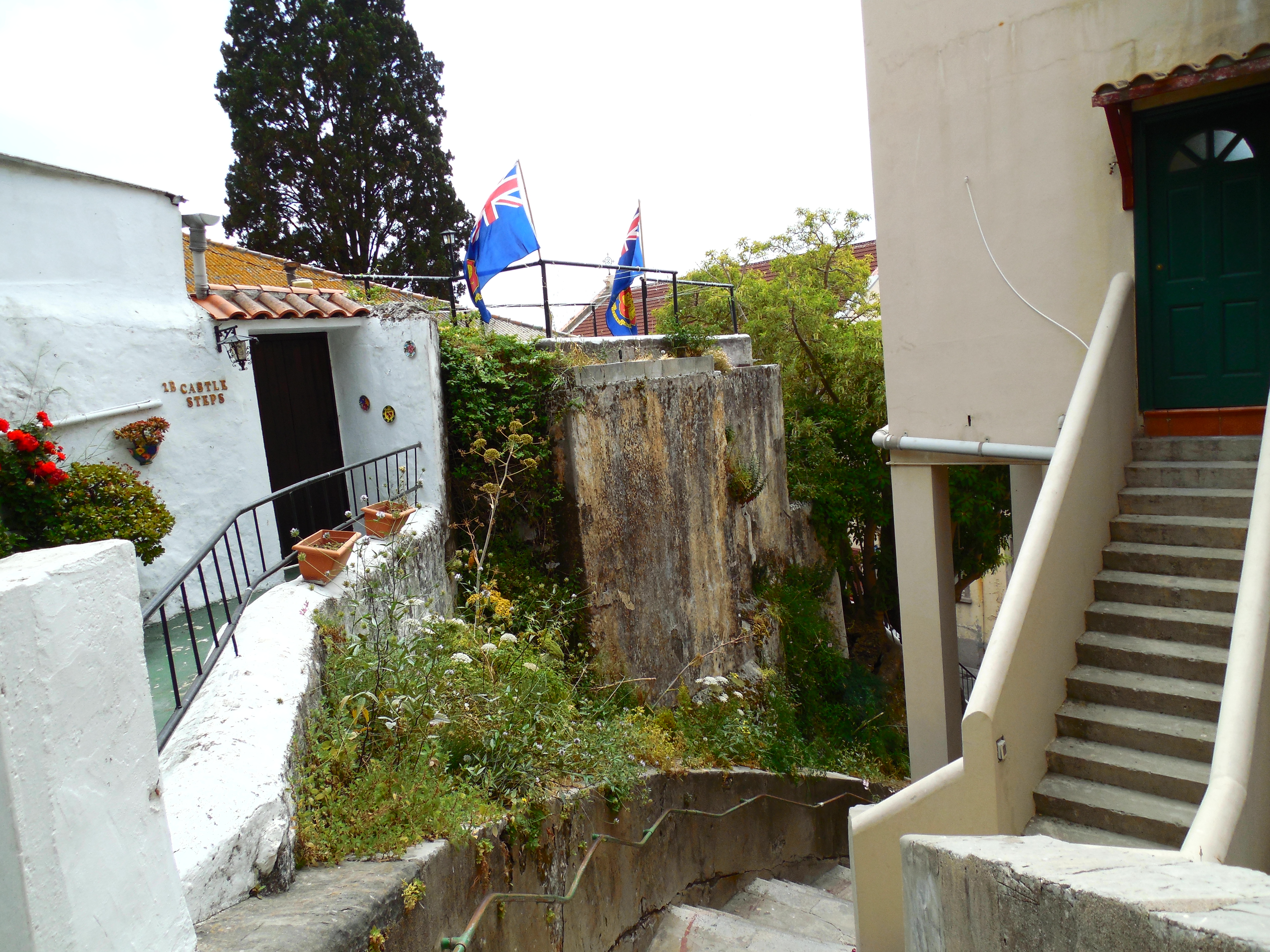
By this time we had been walking for nearly 5 I/2 hours and were pretty much shot, so we decided it was time to call it a day. We continued back down the hill threading our way in between alleys and small houses carved out of the rock and taking in the sights as we went.
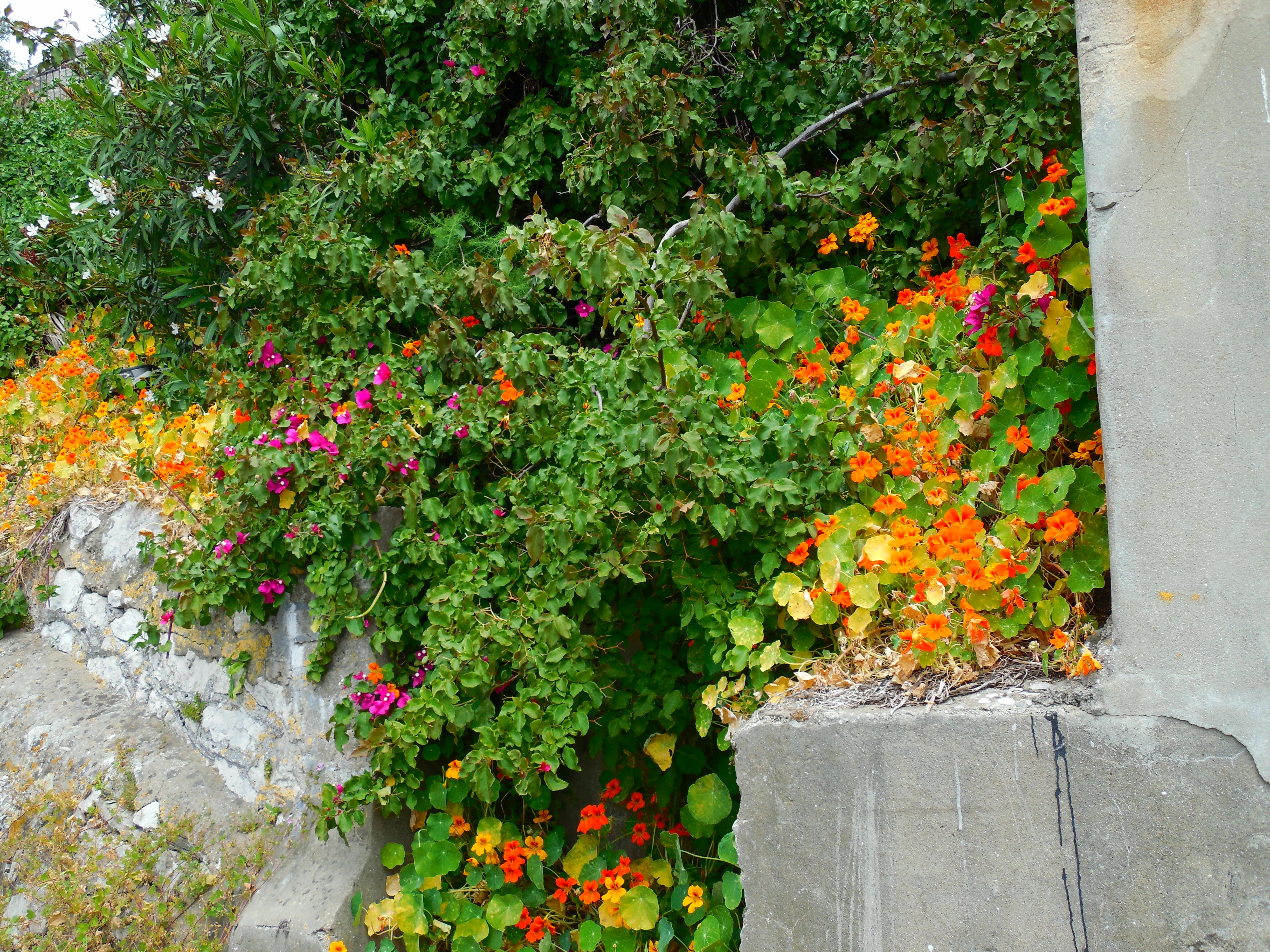
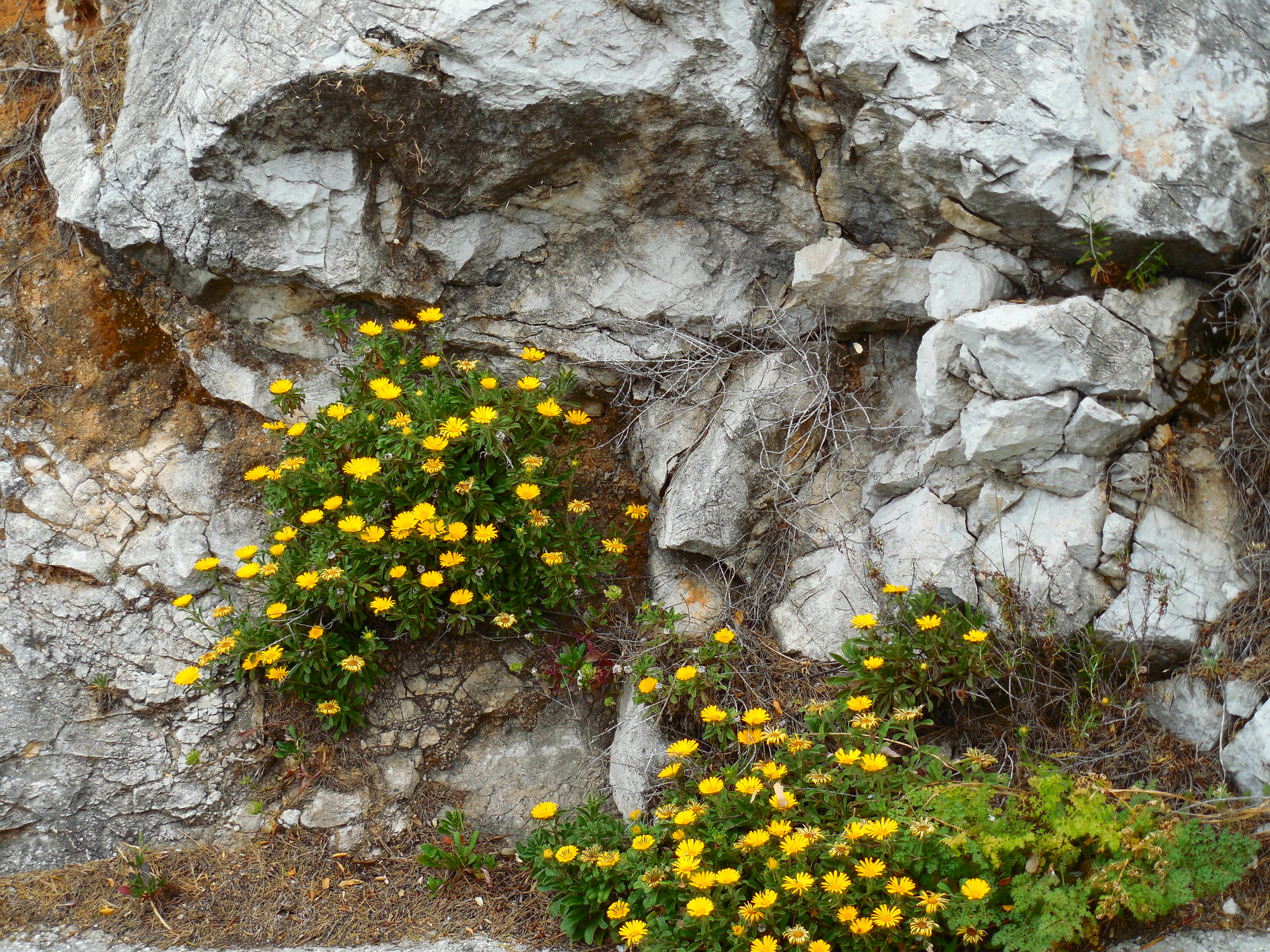
We finally reached the bottom and followed the busy streets to our car.

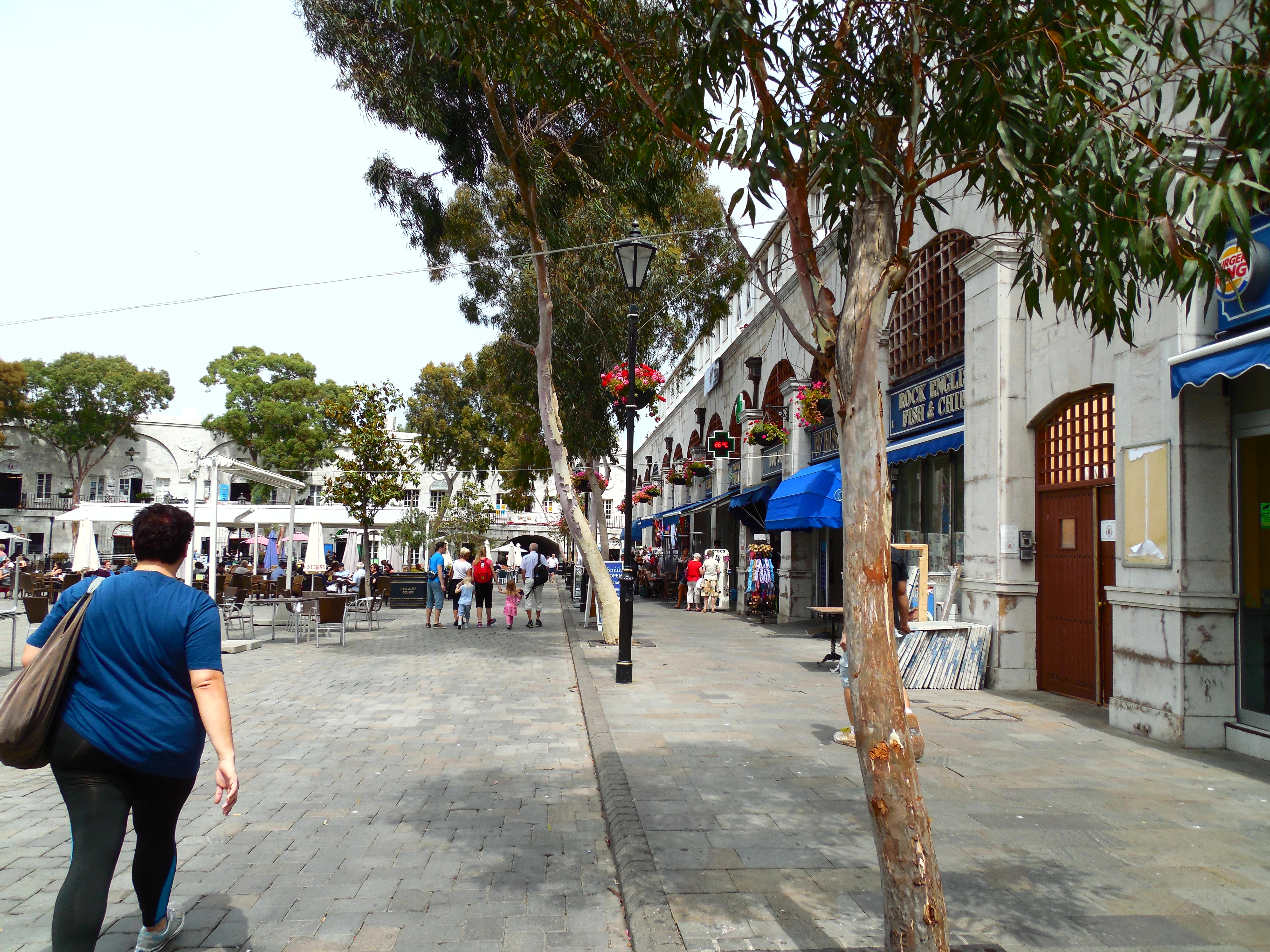
That took another half hour of walking and once there it took us another forty-five minutes to get through customs and back on the road.
The trip was interesting and well worth the effort but tomorrow is a day of rest.
 CharliExplores
very interesting….thanks for the history lesson. I was intrigued with the tunnels. Thanks for sharing….
LikeLike
I enjoy learning the history and trying to get a feel for what it might have been like to be there. Always, I’m glad I live in these times and not in the period I’m reading about.
LikeLike