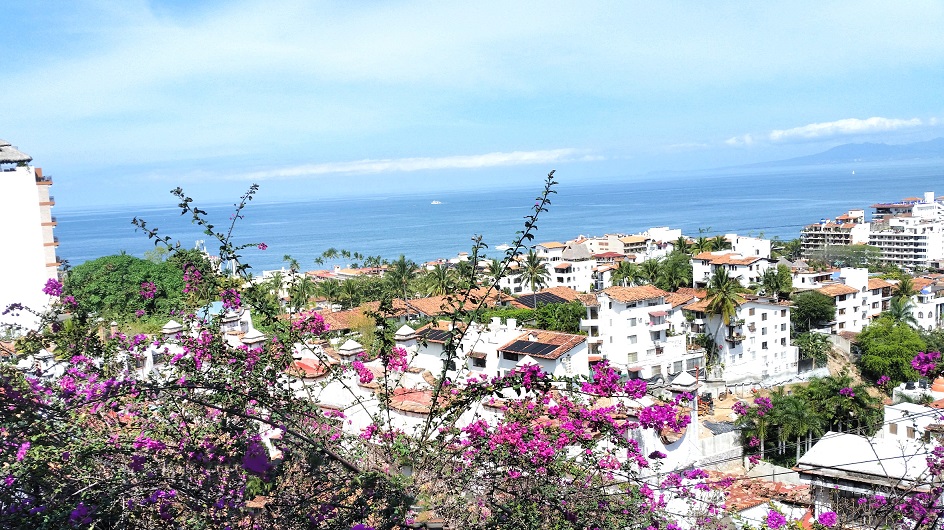
Fifteen thousand residents squeezed in this tiny space and then add in the tourists – snug but it works.
Puerto Vallarta is another tourist destination a bit farther up on the beautiful western coast of Mexico. Tom and I decided on a private taxi tour, and so we hired Arturo to show us the best of Puerto Vallarta. He provided a running and interesting commentary as we wound our way through the narrow and very crowded streets.
Our Lady of Guadalupe Catholic Church in Puerto Vallarta. 70% of the Mexican population is Catholic.
Puerto Vallarta was established as a tourist destination with the hope of the same type of success that Cancun was experiencing. It didn’t take off quite as fast, but it is becoming more popular.
Currently the population of the main city is only about 15,000 with another 30,000 people living in the surrounding areas. Most of those are working in some capacity with the tourism industry.
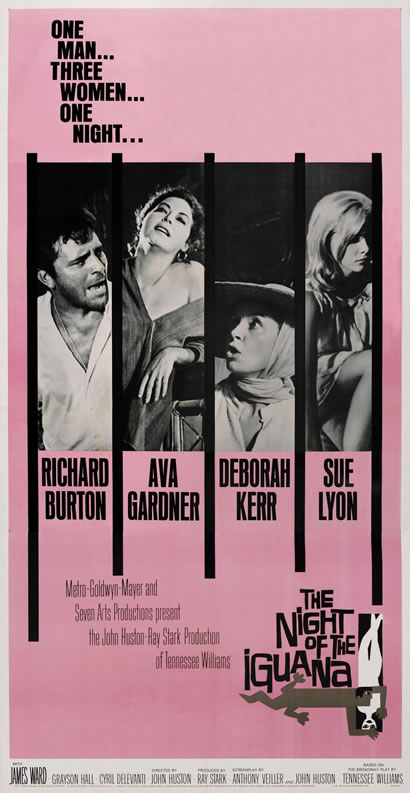
That industry got a major boost when Elizabeth Taylor and Richard Burton began frequenting it as a get away from the masses of adoring fans. Then in 1964 it became the location for the filming of Night of the Iguana staring Richard Burton and Ava Gardner.
A movie poster from Night of the Iguana
This restaurant is called El Set because it was the restaurant where scenes from the movie Night of the Iguana staring Ava Gardner and Burt Reynolds were filmed.
Arturo took us to the restaurant where some scenes of the movie were filmed, which was kind of cool and also gave us an amazing view of the city and the bay.
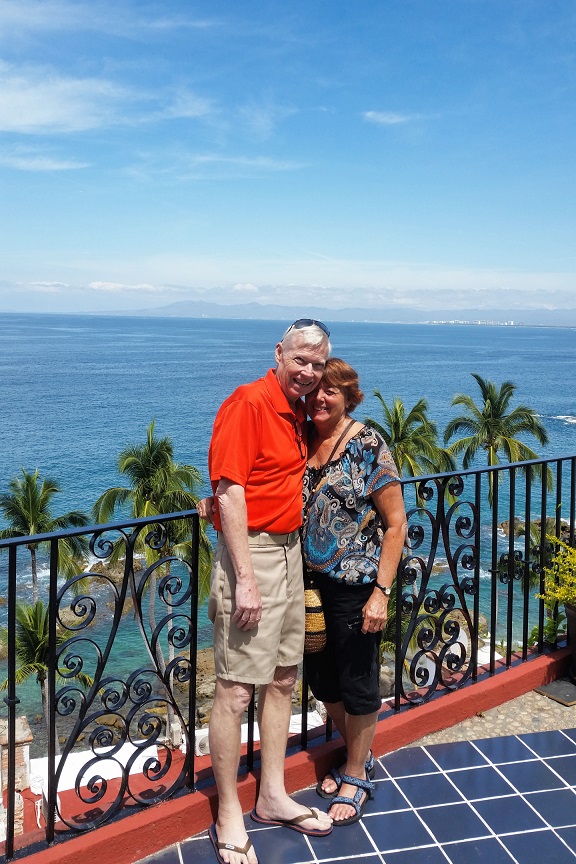
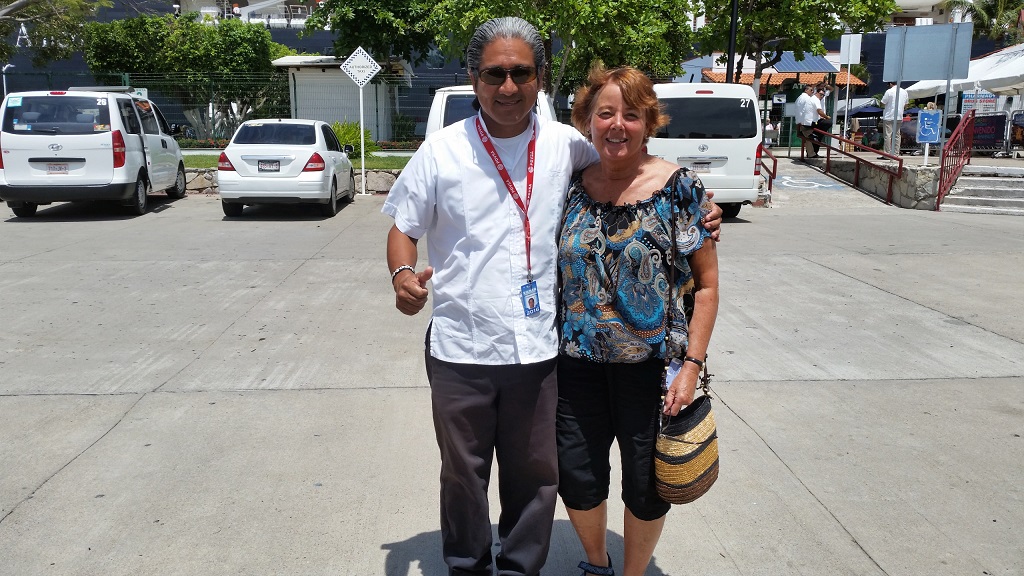
Charli and Tom in Paradise
A movie camera used in the filming of Night of the Iguana. My how things have changed.
Other than the fact that it gets reeeeealy hot and humid from April through September, I could totally do this.
Puerto Vallarta – crowded, busy, and beautiful.
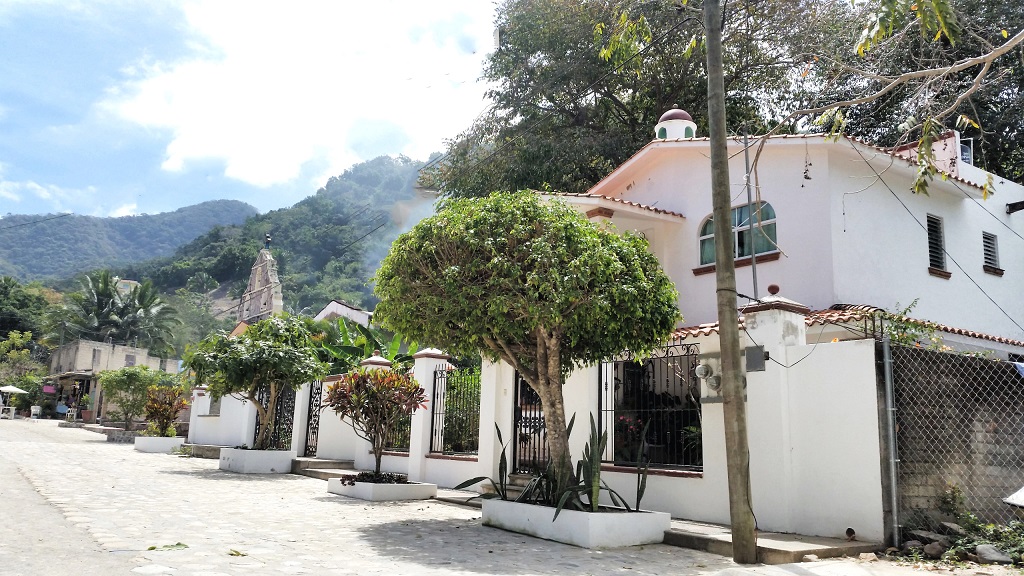
From here we headed out of town and into the jungle to the tiny village of Nagalito where we walked through another restaurant and wandered a bit through their lush grounds.
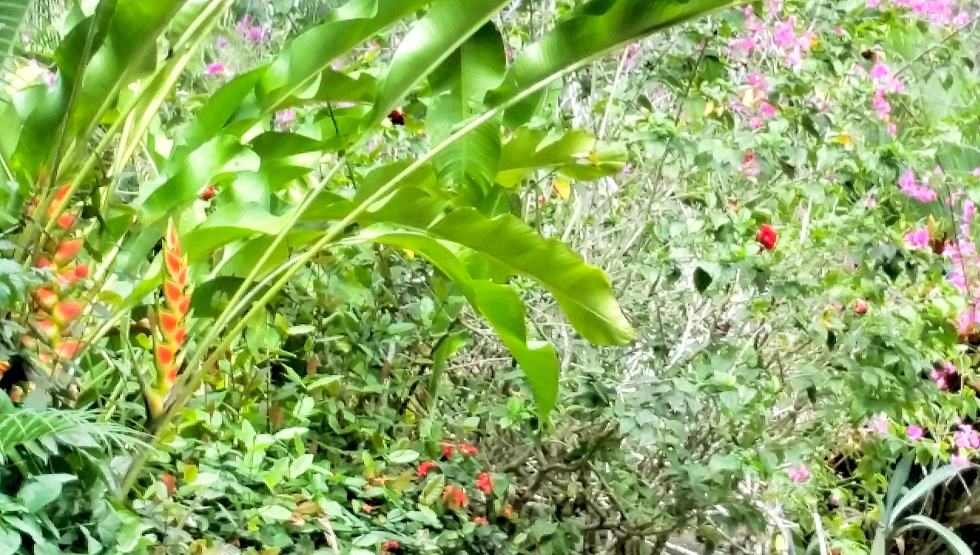
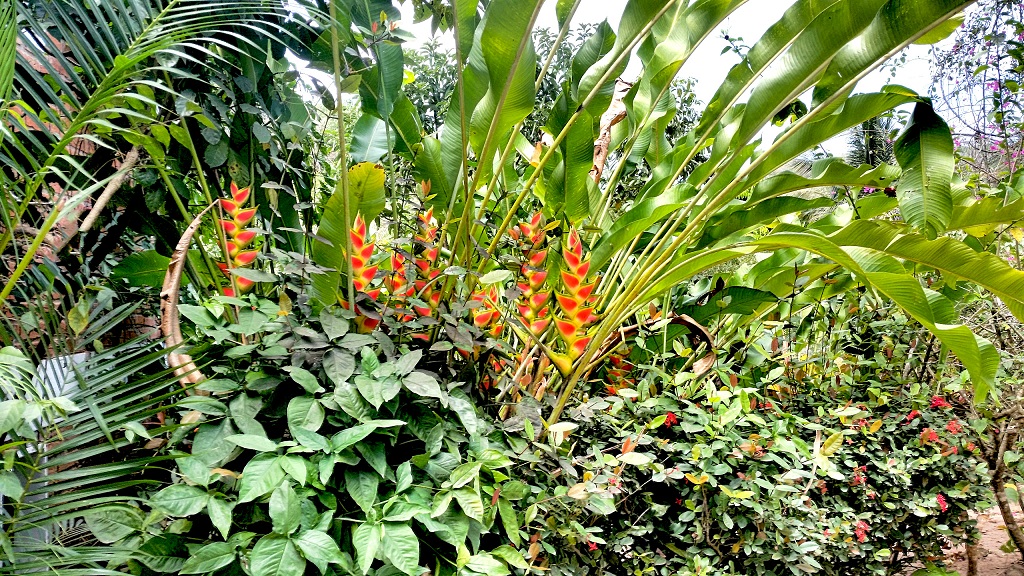
Dense jungle vegetationThe tiny village of Nagalito nestled in the jungle.
Both green and scarlet macaws are indigenous to the jungles of Mexico, but the green macaws are the only ones that frequent this area.Such vibrantly colored jungle plants.
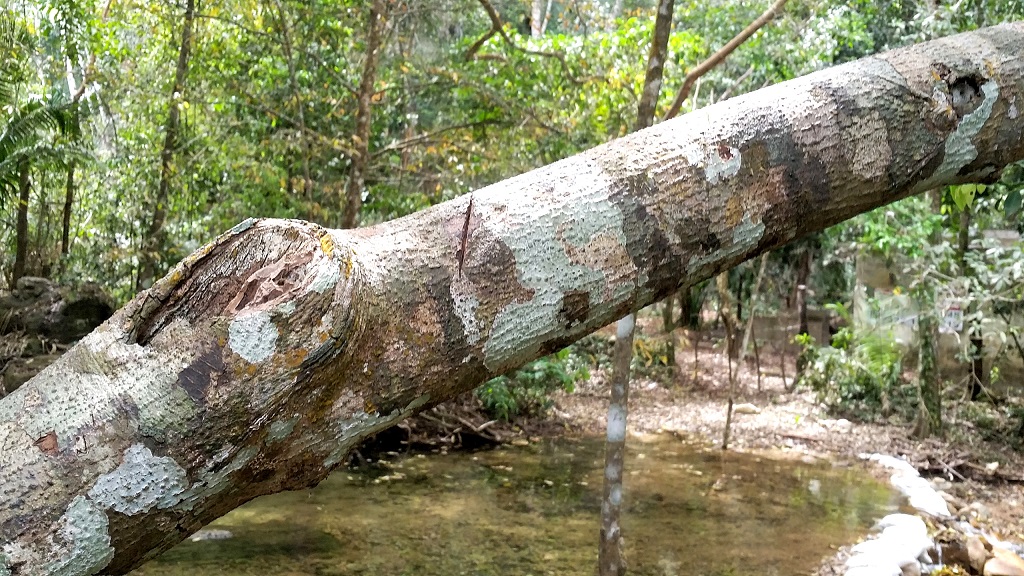
Arturo didn’t know what kind of tree this is. I think it looks like camouflage, but whatever – I thought it was pretty cool.
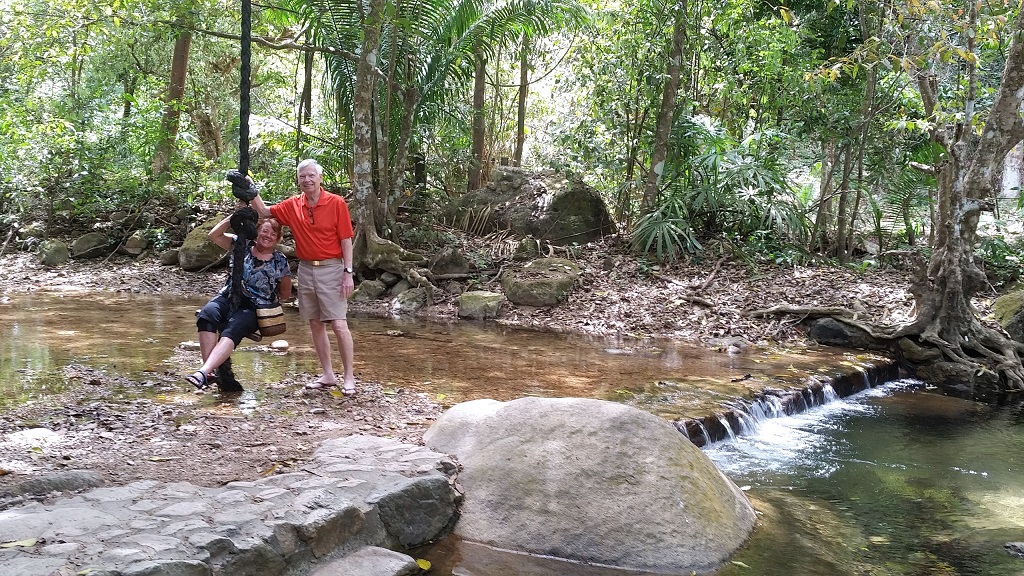
Not exactly the type of swing Tarzan used, but it is a swing in the jungle.
From here we headed back to the ship.
Thank you, Arturo, it was a lovely outing which we greatly enjoyed.
Arturo was our taxi driver and tour guide extraordinaire!
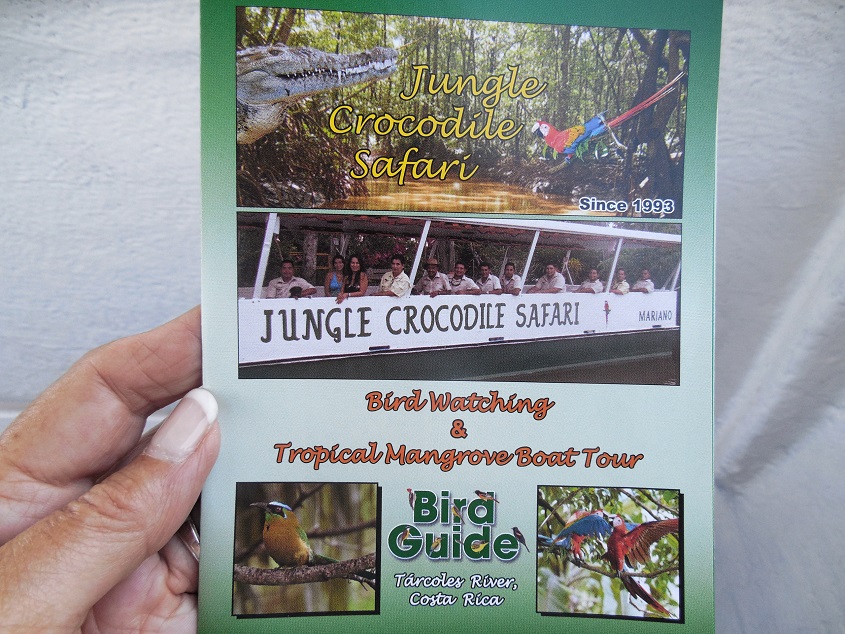
Alrighty adventurers, here we are in beautiful, lush, rain forested Costa Rica and today’s foray is to the Rio Grande Tarcoles for a Jungle Crocodile Safari!!!
Our Puntarenas, Costa Rican Adventure
While we’re on the bus, let me give you some of the demographics shared with us by our tour guide Kitty.
Costa Rica (Costa – Coast and Rica – Rich so the literal interpretation is Coast Rich or Rich Coast) is a small Central American country relatively the same size as West Virginia but with more than twice the population – 4.8 million people. The main language is Spanish. Unlike the flat, arid ABC Islands, Costa Rica is covered with mountains and jungle. They are very eco conscious here – 2/3 of the country is protected lands and preserves.
The lush mountains and jungles of Costa Rica.
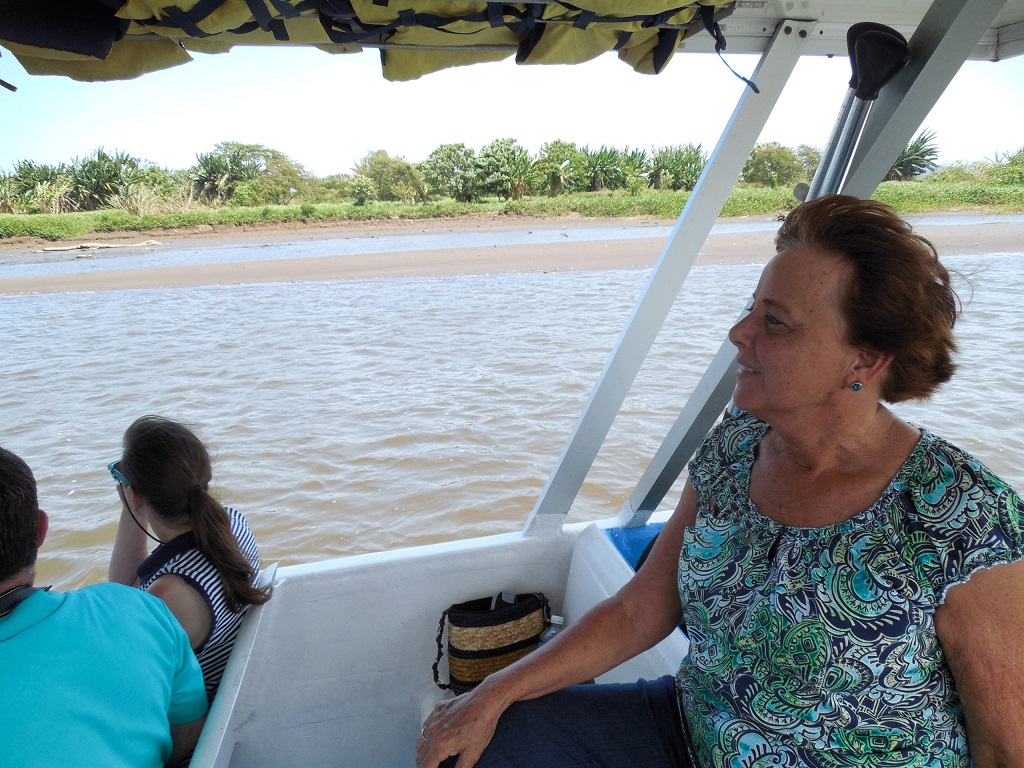
In just over an hours bus ride toward the center of the country, we have arrived at the site of our excursion, boarded our flat bottomed boat and we’re on our way.
Between Kitty, Roberto (our boat driver), and our handy-dandy bird guides, there are things to see/photograph everywhere, so today it’s all about the pictures.
For those of you who haven’t guessed, I am a nature enthusiast. I love flora, fauna, landscapes, waterscapes… of all kinds, so this was a real treat, especially the birds.
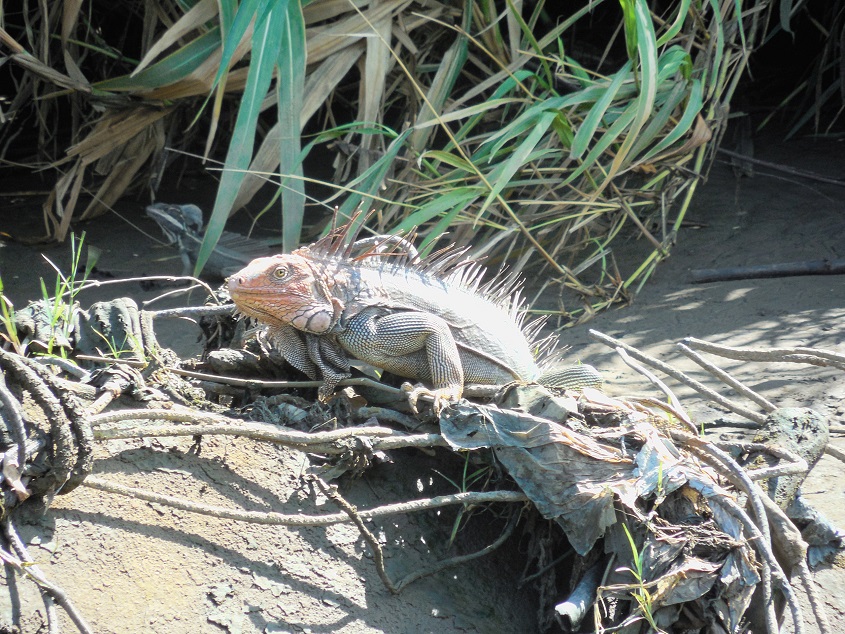
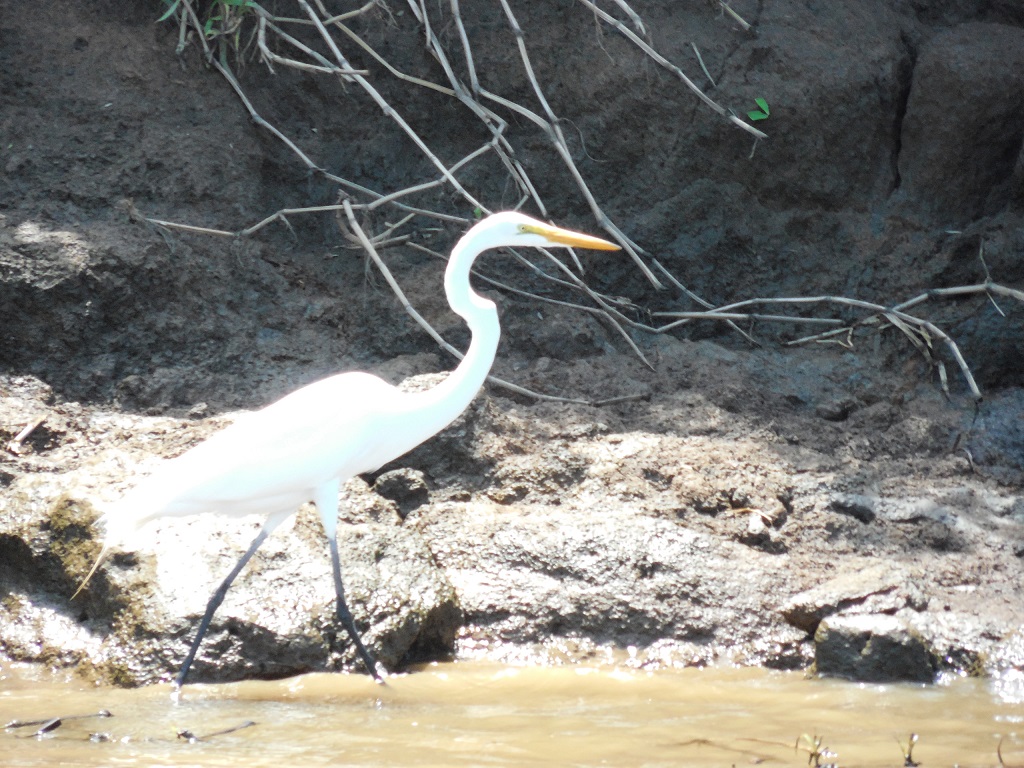
Mr. IguanaA Roseate Spoonbill and a Great Egret
This big guy is a Yellow Headed Caracara.
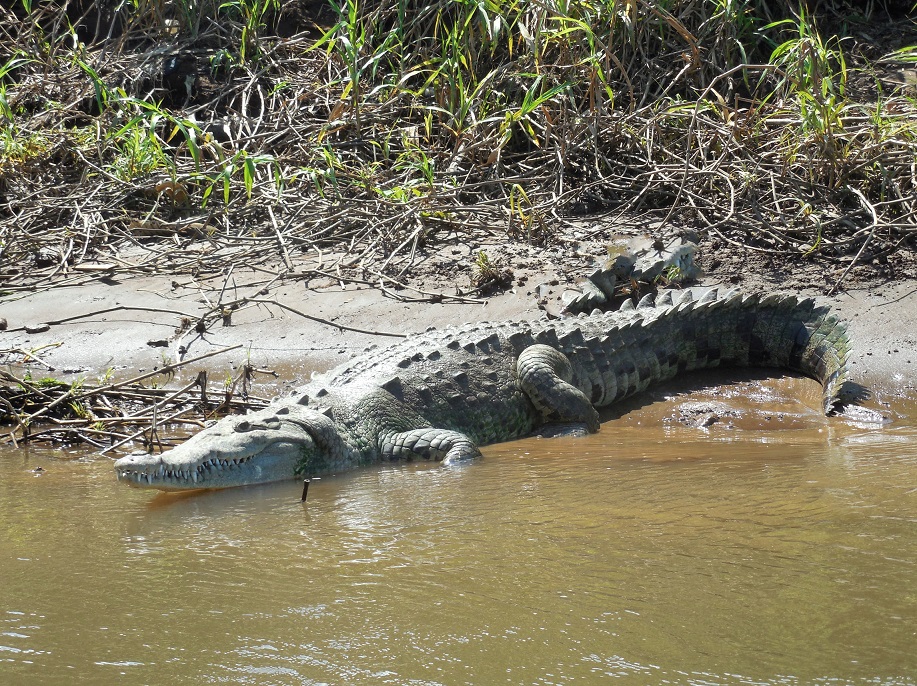
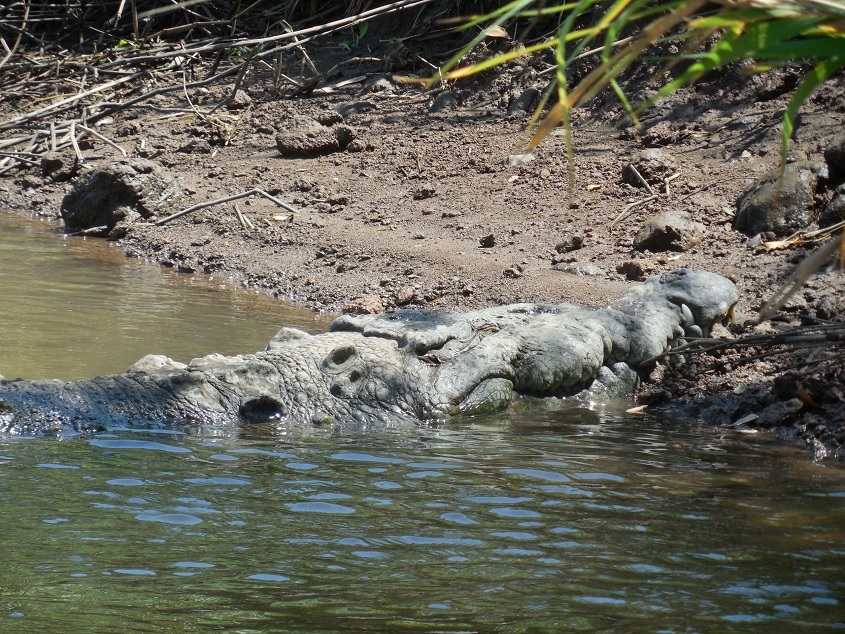
After a bit, we came upon our first crocodile. Well, actually we had seen several in the water but all you could see were their eyes for a second or two at a time – rough to photograph. Anyway, this gal was lying on the bank in full view – very cool!
They bask in the sun to get warm, but when they get too warm they lie with their mouths open to cool down.Come a little bit closer.
She actually turned towards us which made some of the passengers a bit nervous. I was okay with it as long as she didn’t start swimming. We were informed that they can swim up to 37 miles an hour for short periods of time, Yikes!
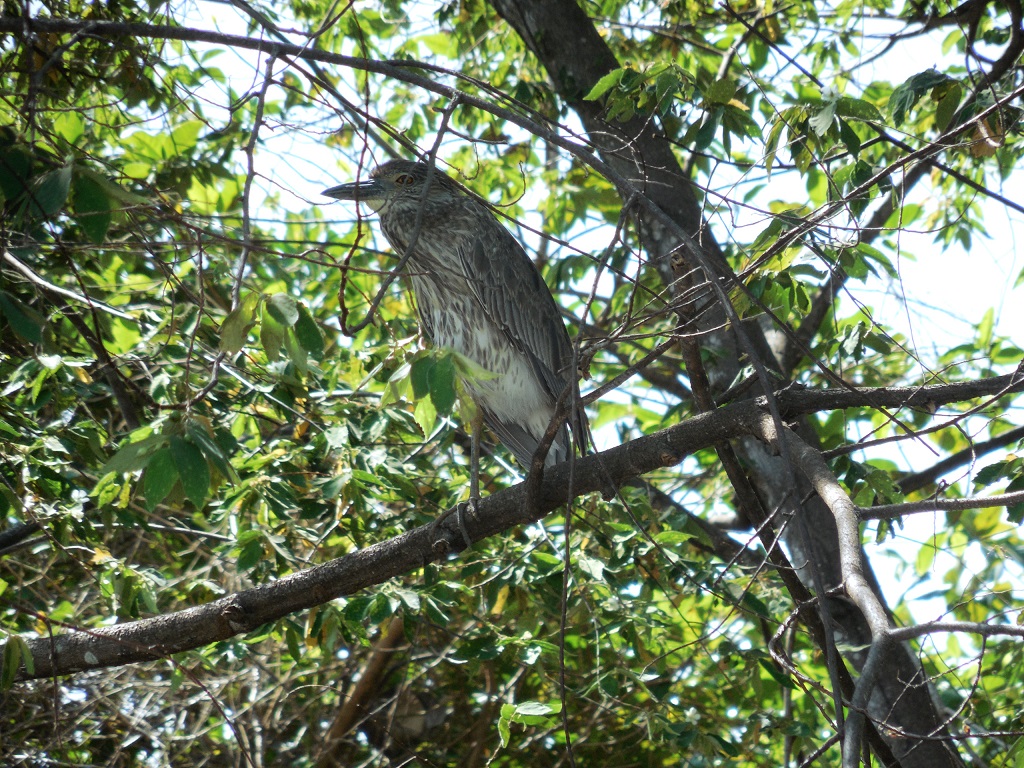
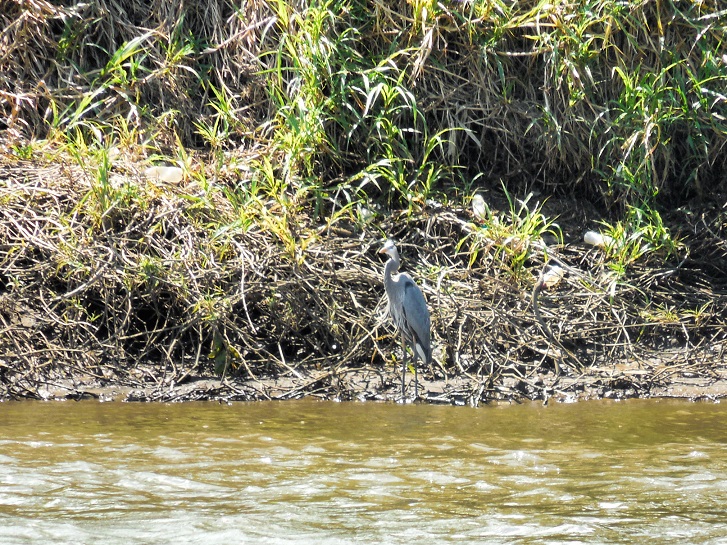
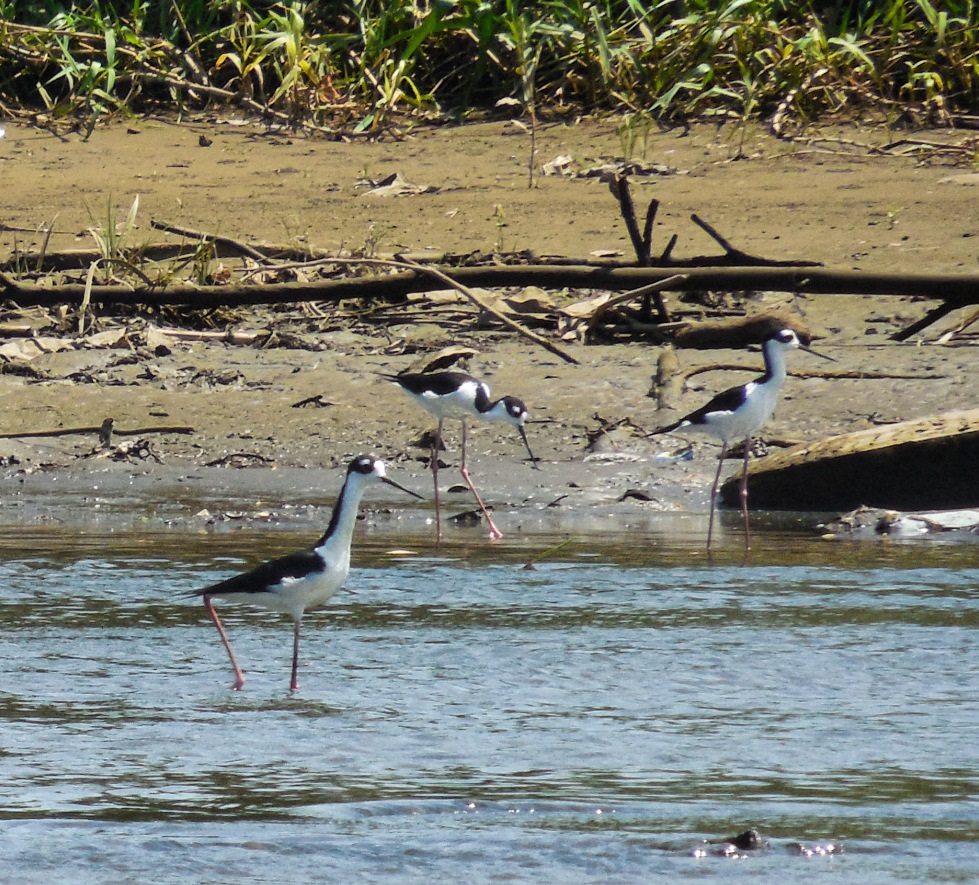
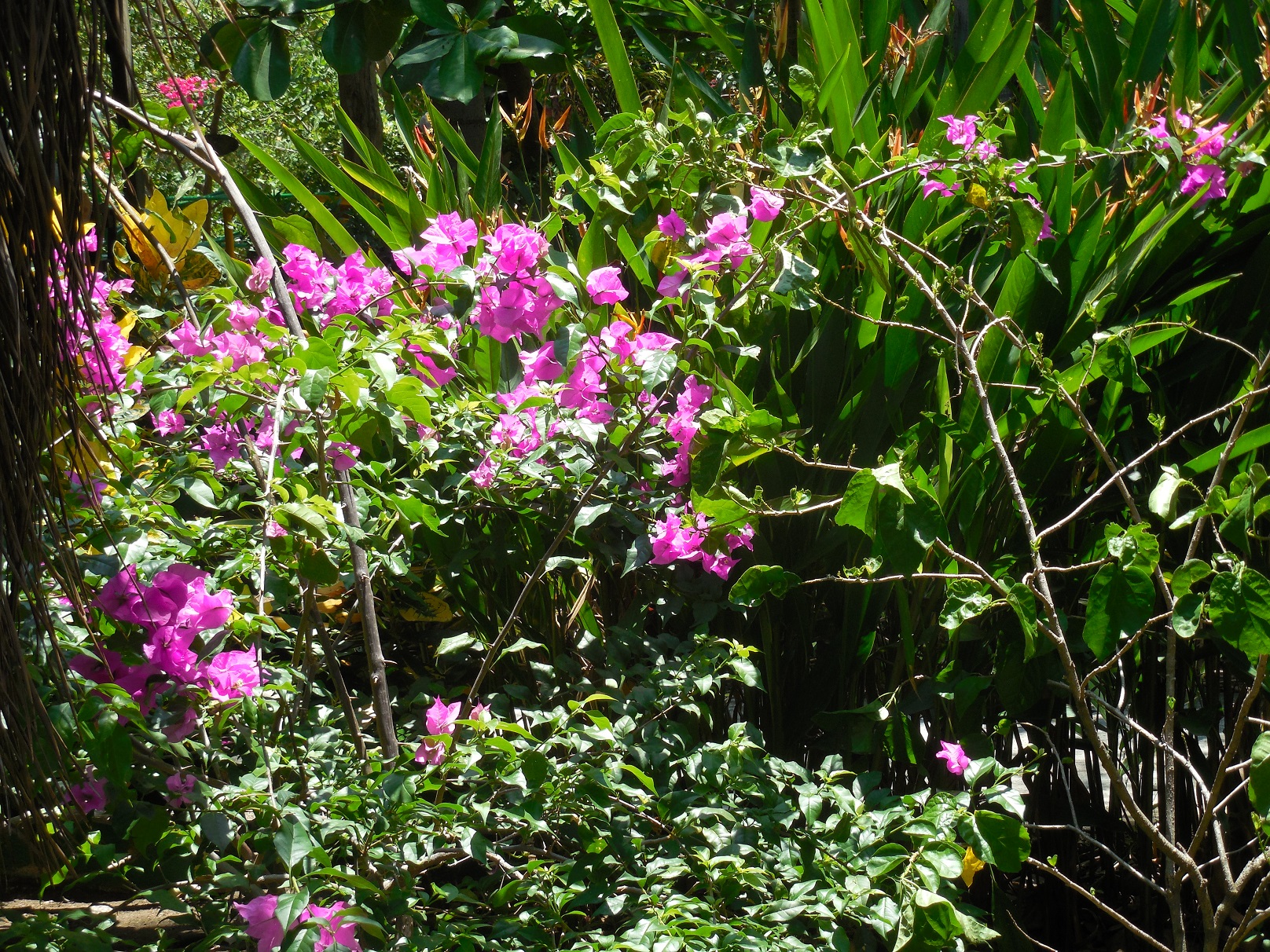
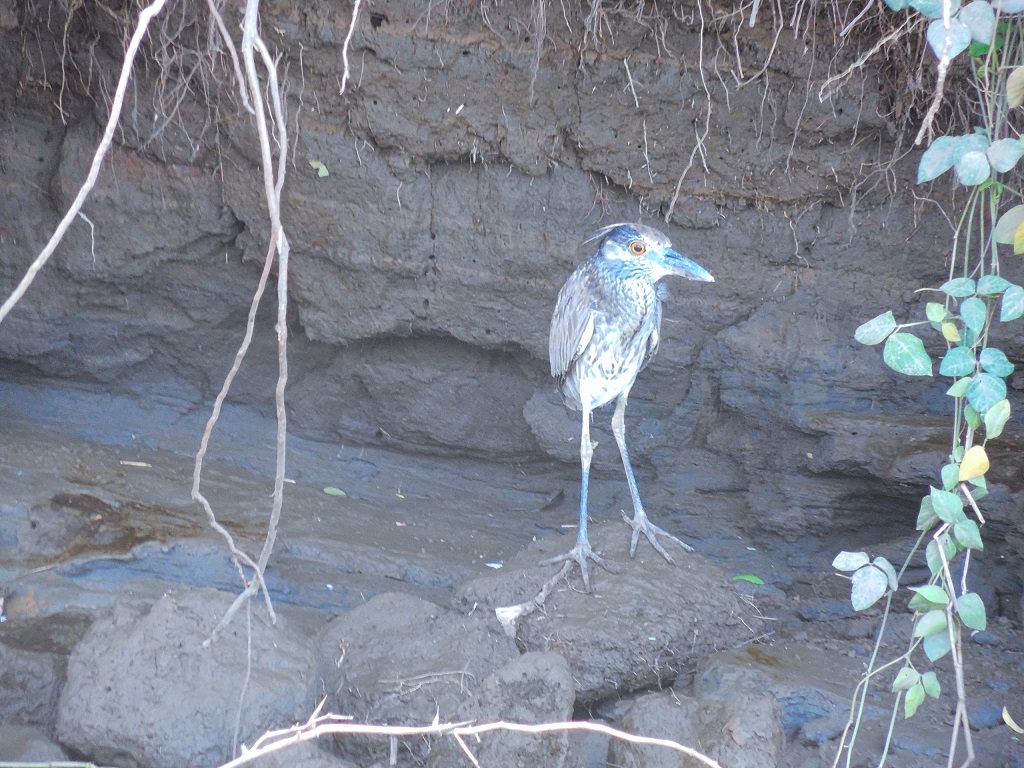
A Little Blue HeronGreat Blue HeronA Bare Throated Tiger HeronBlack Necked StiltsBeautiful GingerBougainvillea – one of my favorites.Great Egret on a mission.
I’m not sure on this one, but I think it’s another type of kingfisher.Mangrove Black HawkOur guide called this a Jesus lizard because they can walk on water – her words, not mine.Rather prehistoric looking
What will we see next
Yes, they have some bananas – lots and lots of them.This debonair little guy wasn’t on our bird identification sheet, but he should have been.This is just the head of a crocodile they call Osama Bin Laden because he is so hard to find. Osama is a 17 ft. long 70 year old crocodile. We made sure not to get too close.
Milan – one of the Westerdam’s photographers. Milan is from Serbia.
This rare and handsome creature is Milan. We sat together on the bus and talked about his job, home, aspirations, and politics. It is always so interesting to hear what others think about our country. The conversation was very interesting and Milan is a delight as was our wild jungle safari.
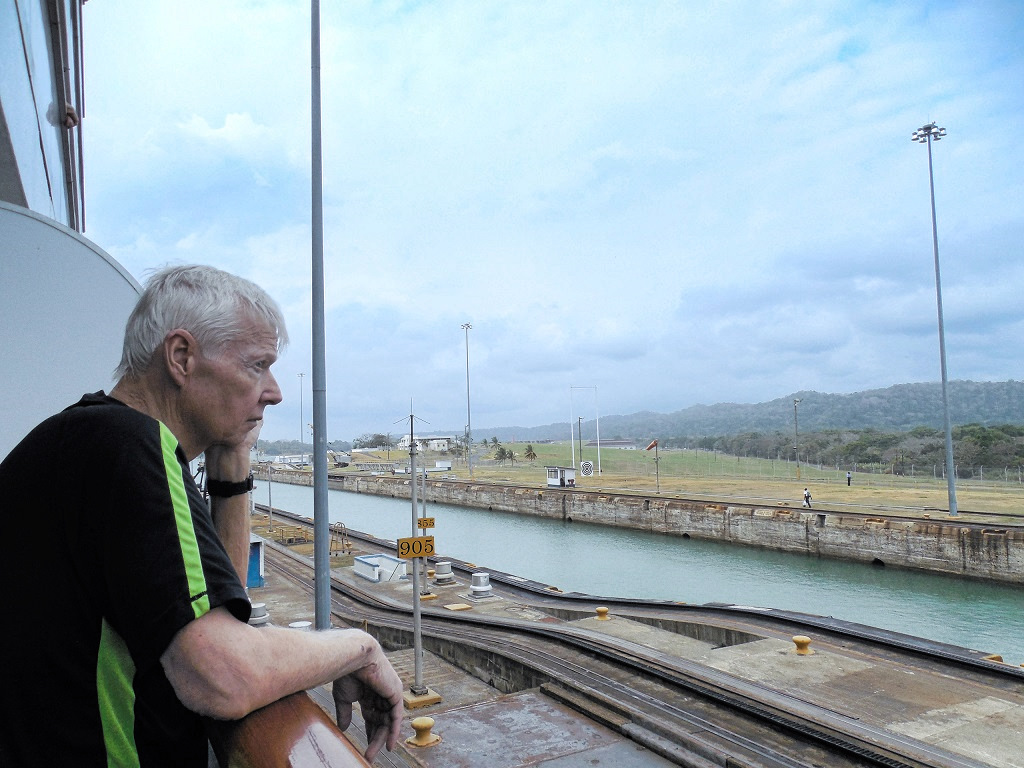
Tom watches as we fulfill another bucket list wish.
March 21, 2016
The main reason for the trip, other than we love to travel, was that traversing the Panama Canal had long been on Tom’s bucket list and today is the day!
The history of the Panama Canal is a fascinating story that took decades to write – from 1880 to 1914 to be exact. It was a massive undertaking with a huge loss of life (there are estimates that go from 5000 deaths to as high as 22,000 due to diseases such as yellow fever and malaria and to landslides and other job hazards) and amazing technical issues to overcome. So rather than trying to retell this story, I will give you a website dedicated to the Panama Canal – http://www.panamacanalfacts.com.
Our adventure started at 6:30AM, when a small boat brought the canal pilot to board the Westerdam.
Our canal pilot met us bright and early – 630 AM
Approaching the Panama Canal
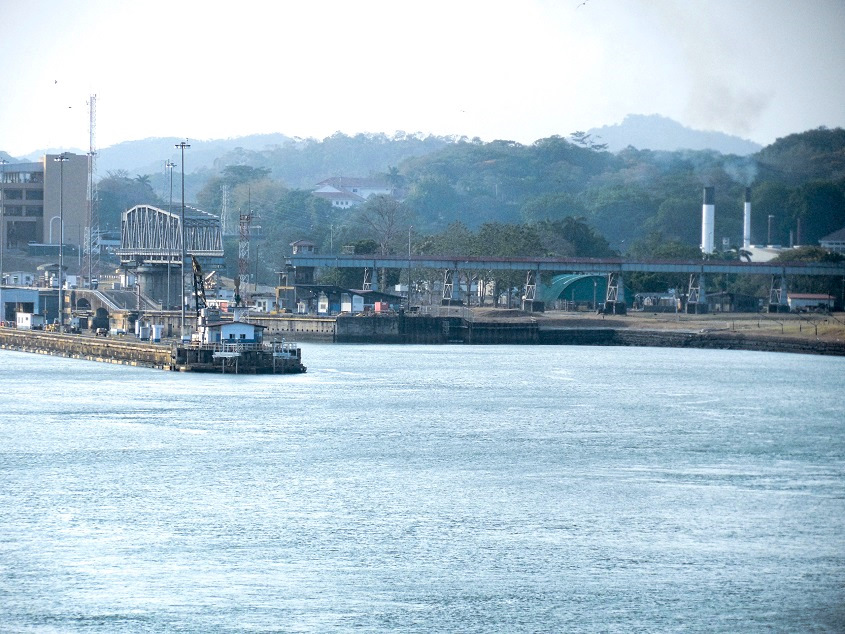
We proceeded to the first set of locks arriving just before 8:00.
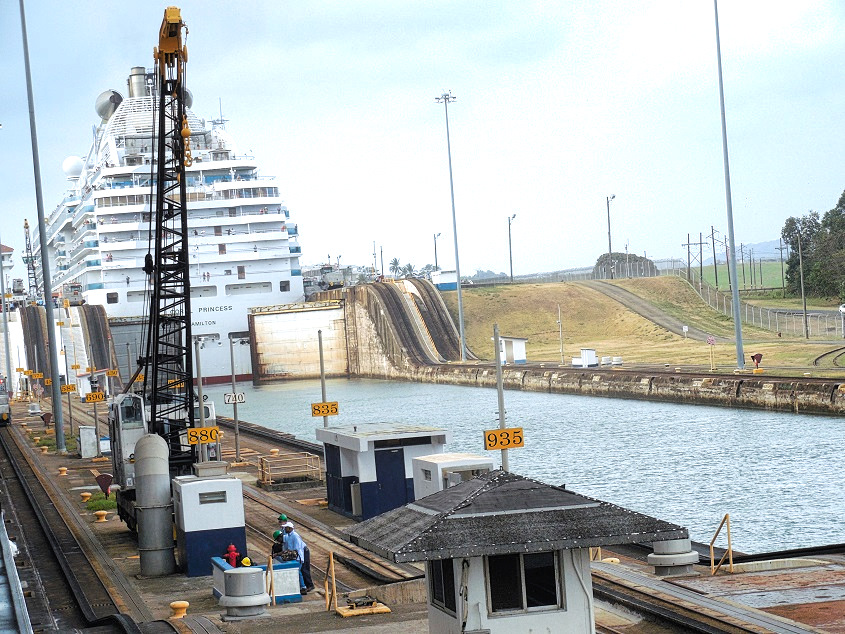
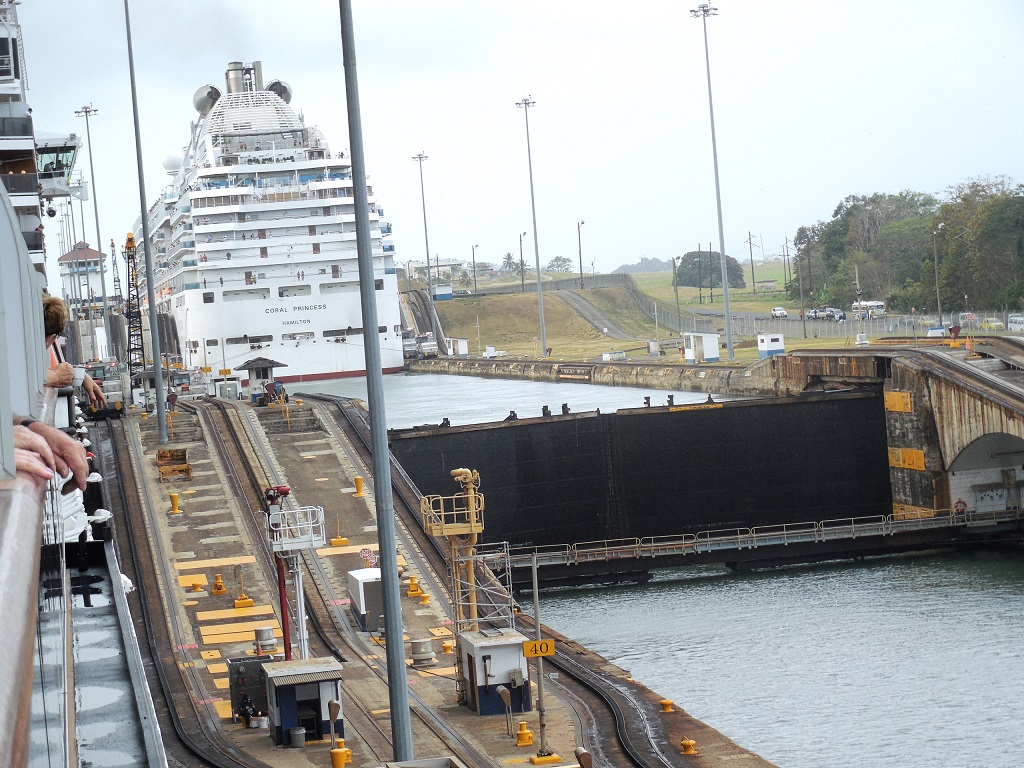
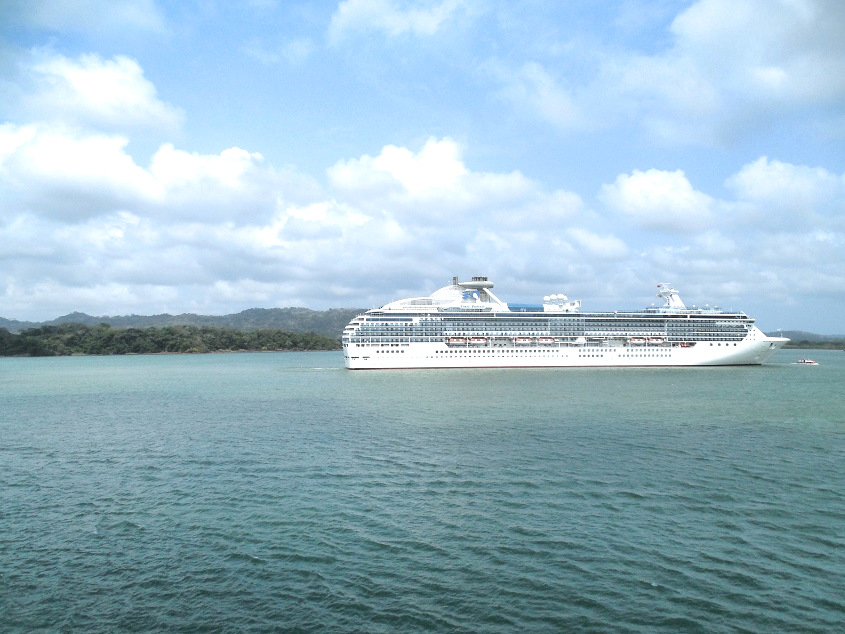
We’re about to enter the first lock with the Coral Princess just ahead in the right hand lane.
Before I go on, let me explain a bit about the Panama Canal. It was built to provide a deep channel connection between the Atlantic and Pacific oceans. Part of the dilemma in this process is that it is a looong channel and the oceans are basically different heights. So the locks act as an elevator raising a ship up by maneuvering it into a lock/elevator lift and pumping water into or out of the lock to raise or lower the ship to the next level.
What make this tiny little tugboat think he can push us around, but that’s exactly what he did.Here the lock gates/elevator doors are closing and then this lock will fill to lift the Princess to the next level.
Elevator up.This container ship followed the Coral Princess in the locks next to us.
On the Caribbean side of the canal there is only one set of locks, the Gatun Locks which raise you up to the huge Gatun Lake in the middle of the canal.
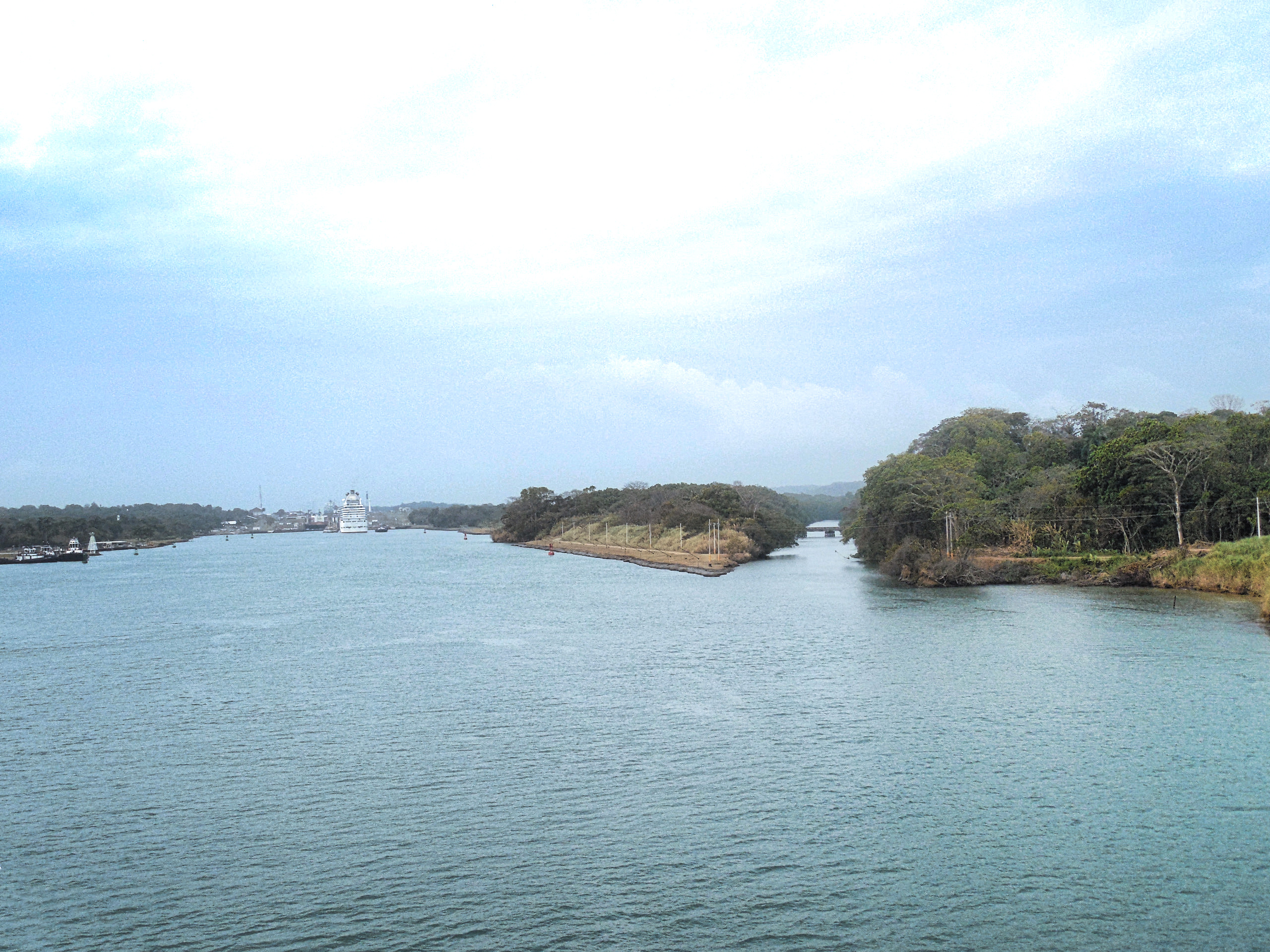
Lake Gatun is huge and easily accommodated several large cruise ships as well as container ships all at the same time and still looked practically empty.Channel markers guide us across Lake Gatun and toward our final series of locks.
We reached the Caribbean side of Lake Gatun around 9:45 and spent the next 4+ hours steaming across the lake to the next set of locks – the Pedro Miguel Locks. These and the Miraflores Locks would stair step us down to the Pacific Ocean side of the canal.
We exited the last set of locks around 4:30pm and bid a fond farewell to the Panama Canal.
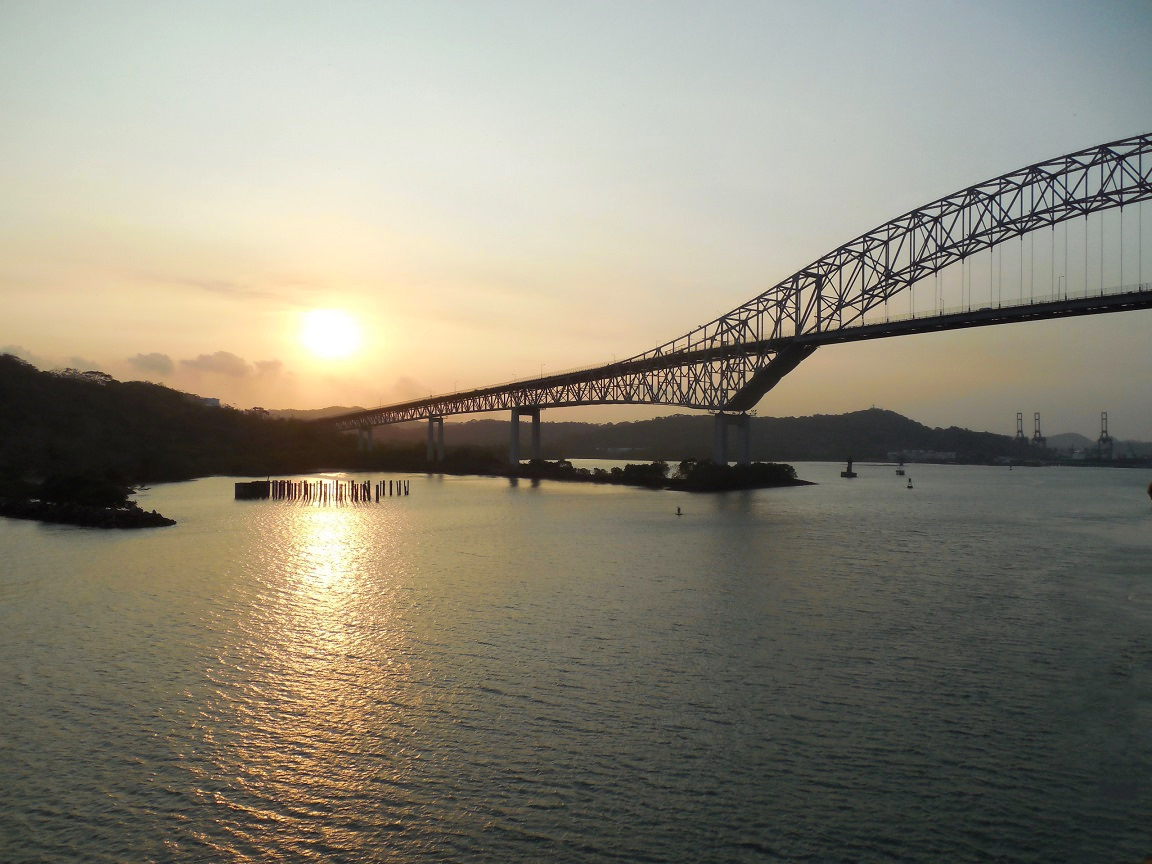
And so we bid adios to the Panama Canal – check.A lovely sunset view of the Bridge of the Americas as we sail into the Bay of Panama and the Pacific Ocean.
And toward the Bridge of the Americas and the Panama Bay.
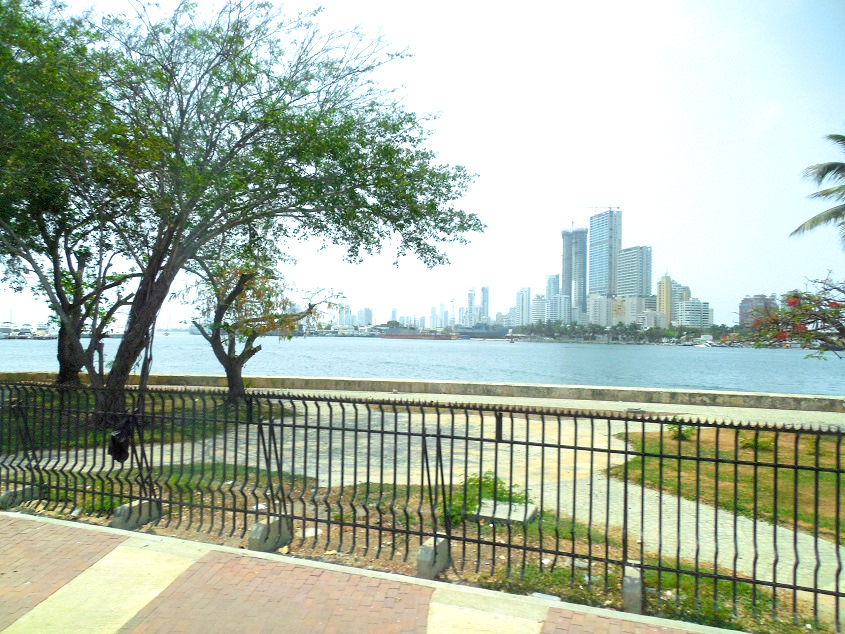
Obviously a much larger and more modern city than the tiny ABC Islands.
On March 19th we arrived in Cartagena (pronounced Car-tah-hay-nah), Columbia. Cartagena is a Columbia, South American city with a population of approximately of 952,000 people.
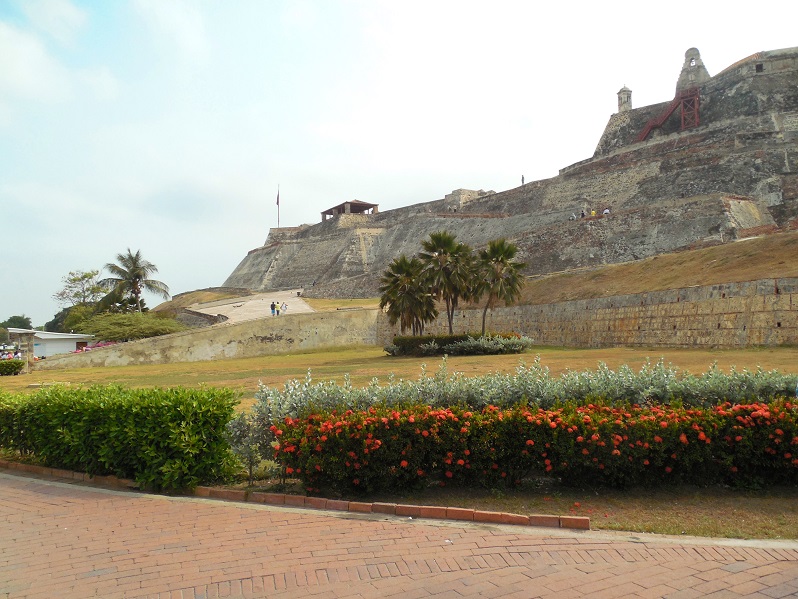
I went on a tour around the town which included a stop at the fortress. A centuries old city, Cartagena was subject to repeated attacks and takeovers by foreign powers. In response they built a 50 ft. thick wall around the city and then around the fort making it virtually impregnable. It’s really pretty impressive.
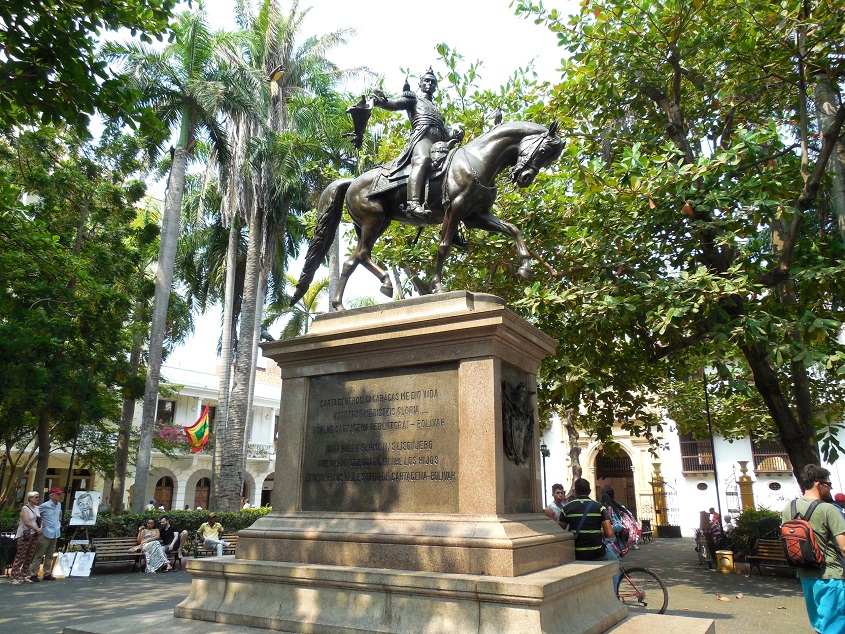
Ben Torrez – our Cartagena tour guide.The fortress, built around the arms and munitions of the town centuries ago, is connected with the walled Old Town Cartagena by a series of tunnels.Simon Bolivar – The Liberator. Columbia’s Hero.
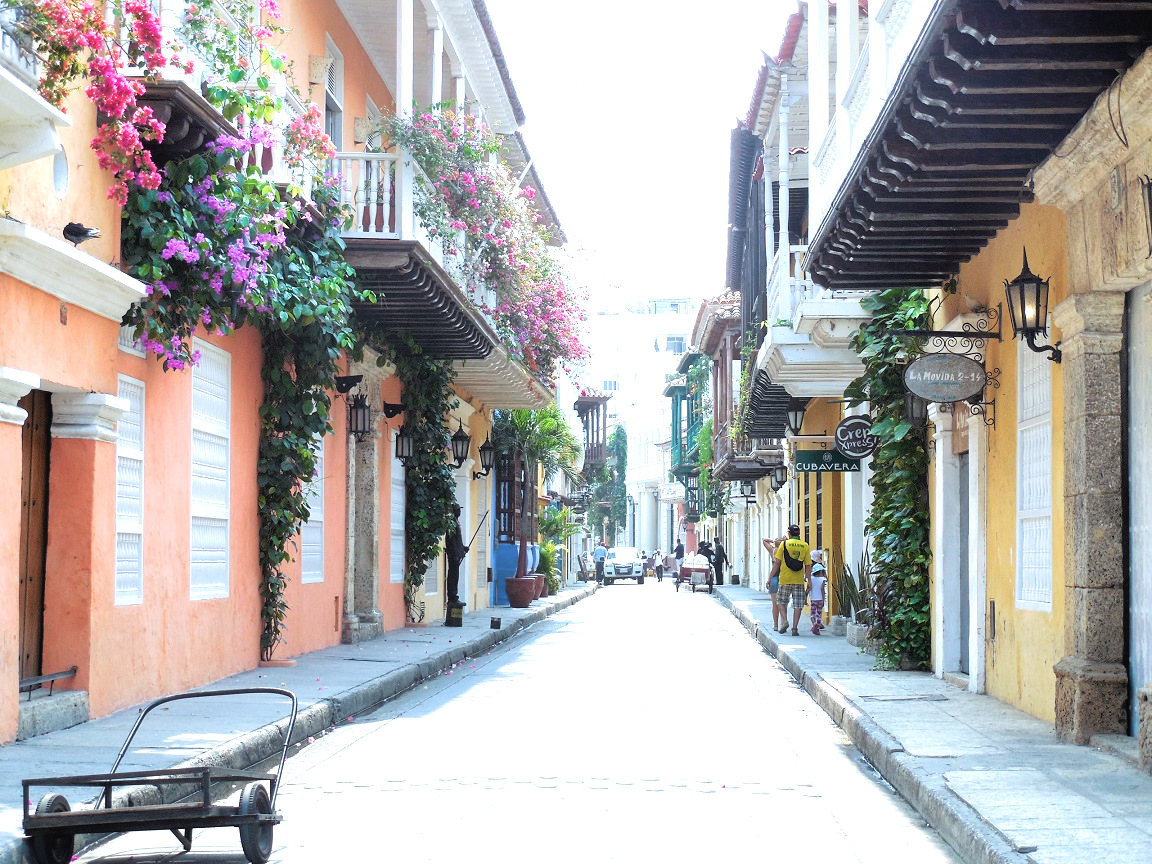
From here we went into the walled Old Town part of the city. Quaint and cobblestoned, the old city certainly has the flavor of Span by whom it was colonized.
The pretty streets of Old Town Cartagena.
Colorful apartments lined the streets.
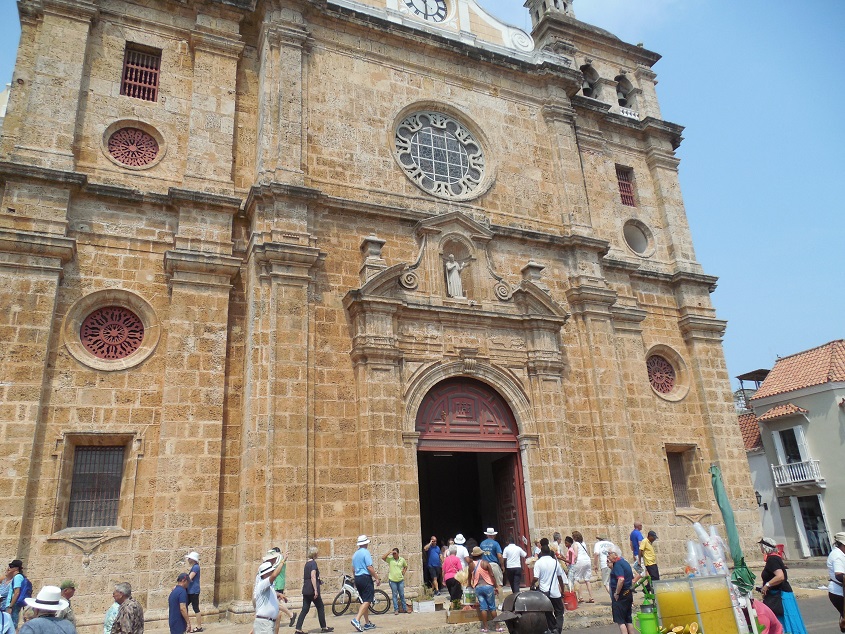
We walked through Old Town to San Pedro Claver Catholic Church where Ben relayed the story of San Pedro.
Sadly, the Caribbean was the major hub of the slave trade as early as the 1600s and Cartagena was one of the infamous port cities where slaves were sold and traded. Father Claver, a Jesuit priest in the city, rightly found this practice and the treatment of the slaves abhorrent and dedicated his life to fighting against slavery saying, “I will be the slave of slaves.”
Father Claver did not live long enough to see the end of slavery. He died of Parkinson’s at the age of 74 and was canonized several years later for his selfless life and saintly works.
A statue of San Pedro Claver with one of the slaves that he so faithfully dedicated his life to helping.
The Catholic Cathedral where Father Claver carried out his work against the slave trade.
We toured the priests residence house – a place of peace and reverence.
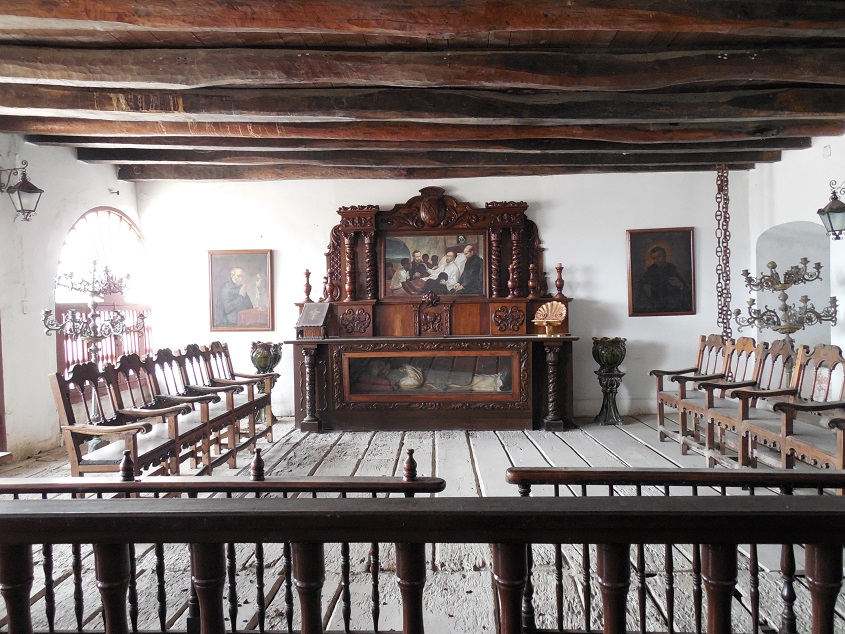
A chapel in the priests’ residence just as it has been for centuries.
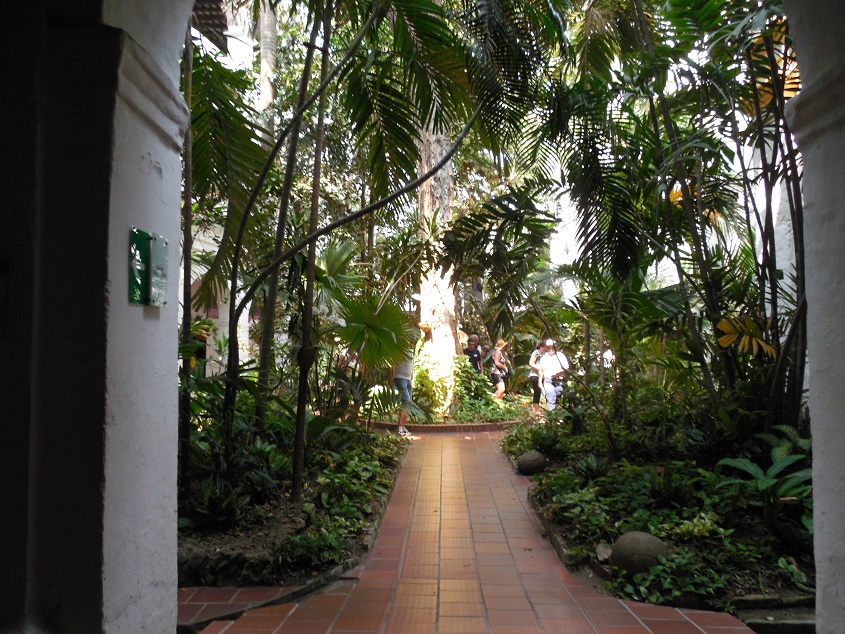
A peaceful courtyard in the center of the residence.
Colorful Native Costumes
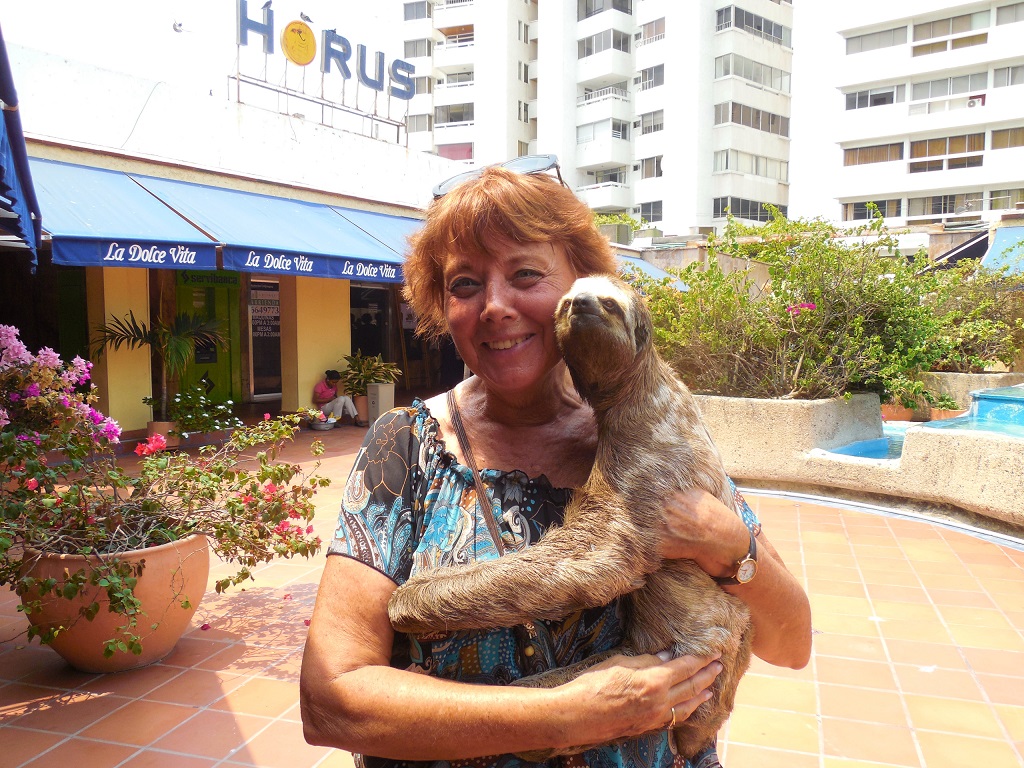
We ended our historic tour with shopping at one of the slightly more up-scale places in Cartagena. I didn’t buy anything, but I did get a chance to take a picture of some of the local women in native costume and to meet my very first three toed sloth.
Charli with Maria – She is a three toed sloth and very sweet.


























 CharliExplores