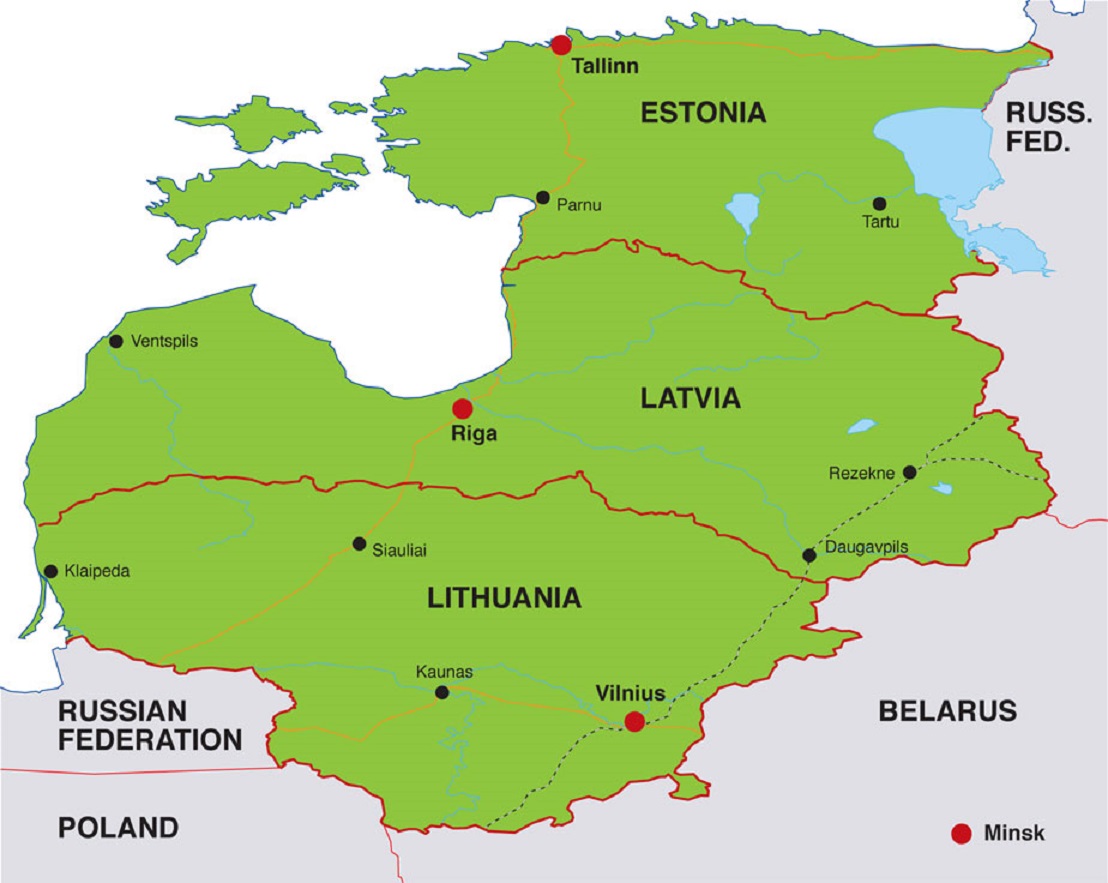
It starts to feel that way after awhile, but actually we arrived in Vilnius, Lithuania around 12:20AM on Tuesday. The next morning we met up with our friends Dick and Carolyn who invited us along on the Russian Glories, Baltic Treasures tour to begin with. We added the rest of the itinerary on our own.
We all arrived a day and a half early and Carolyn booked a couple of excursions for all of us to do with just the four of us before the actual tour began.
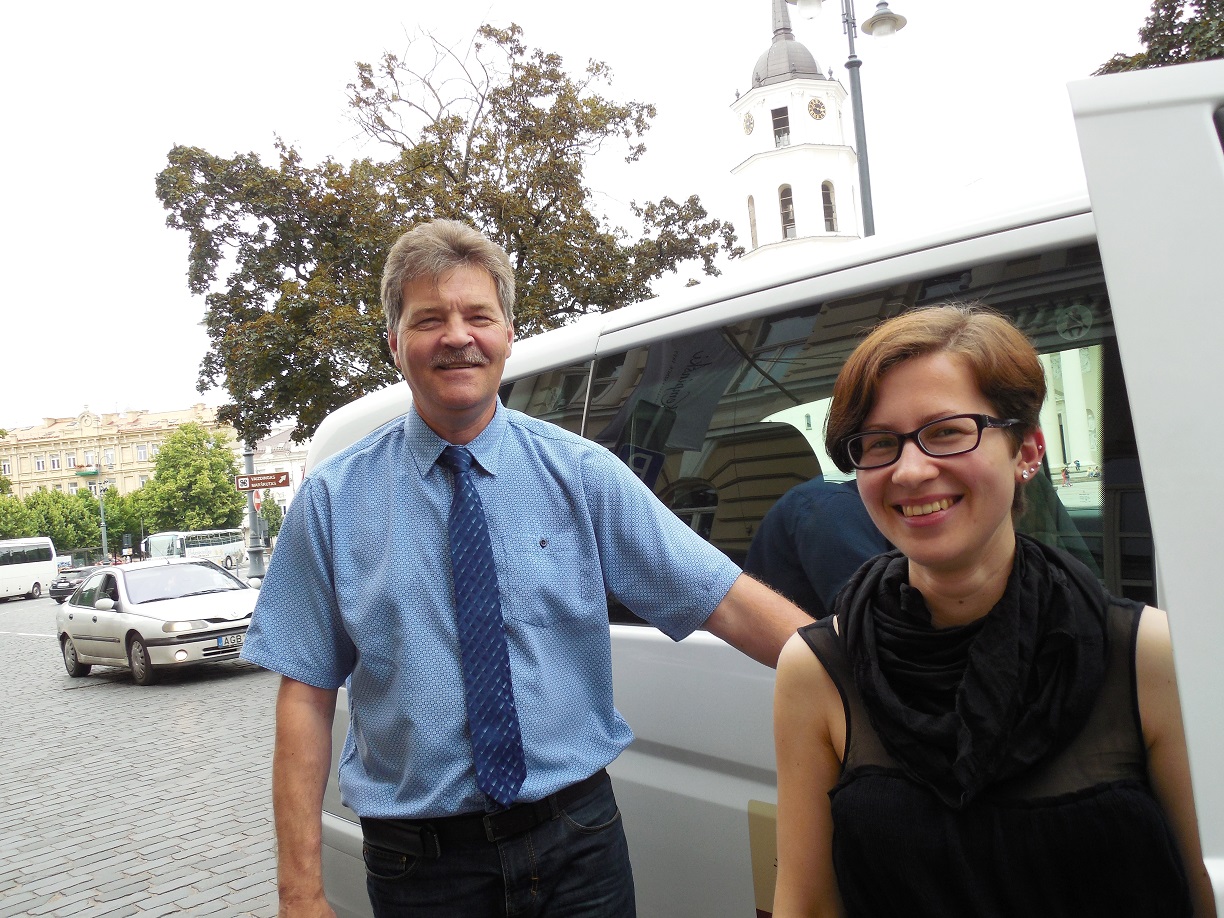
The first, on Wednesday, was to the Lithuanian National Park. We had a charming guide, Julia, who gave us a lot of information about the country and a bit of its history. Let me share some of it.
Lithuania is one of the Baltic states, so called because it is one of countries bordering the Baltic Sea. It is a tiny country with just over 3 million people. It takes only about 4 hours to drive from one border to the other whether you are going north to south or east to west. It is first mentioned in the history books in the 11th century and has been self ruled as well as ruled by France, Sweden, Poland, Germany, and Russia. In 1990 they finally regained their independence after the terrible occupation first by Germany and then by those we heard referred to as the Russian Terrorists.
Though battered by war and oppression throughout much of its history, Lithuania now has one of the fastest growing economies in Europe and as of January 1, 2015 it will be a full member of the European Union as well as a member of NATO.
Julia and our driver picked us up at the hotel and we drove for just over an hour through lush forests and beautiful, wild flower laced field.
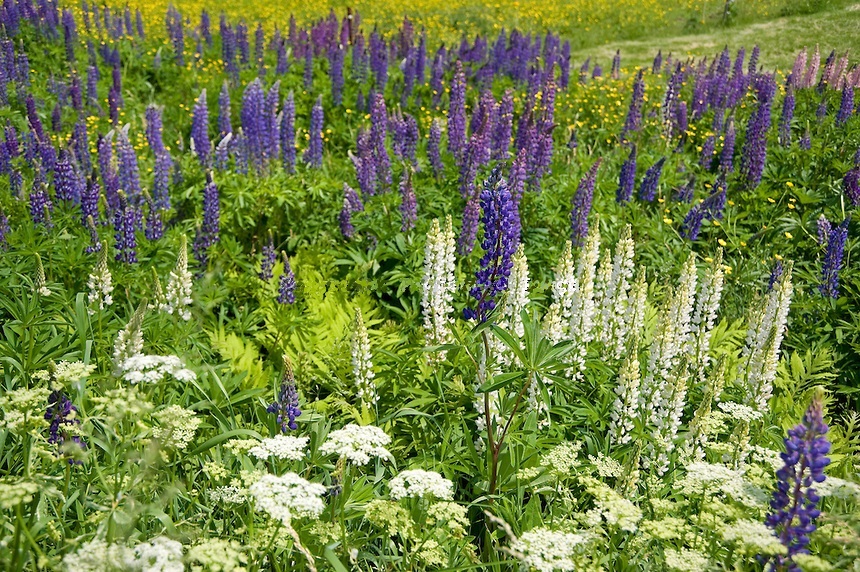

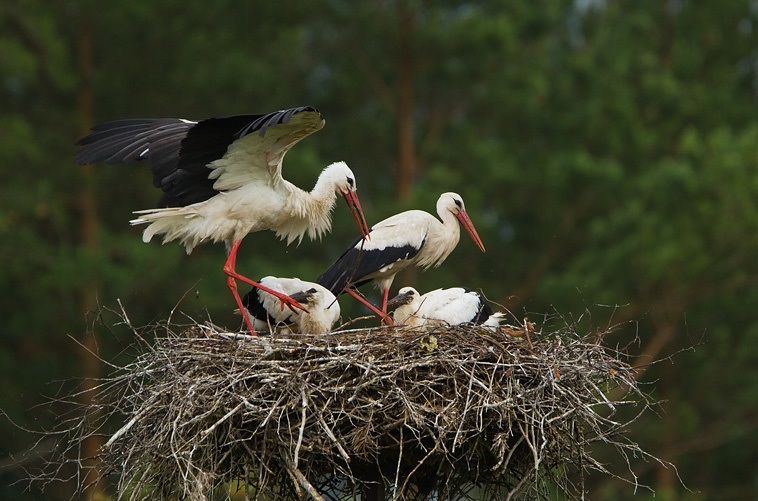
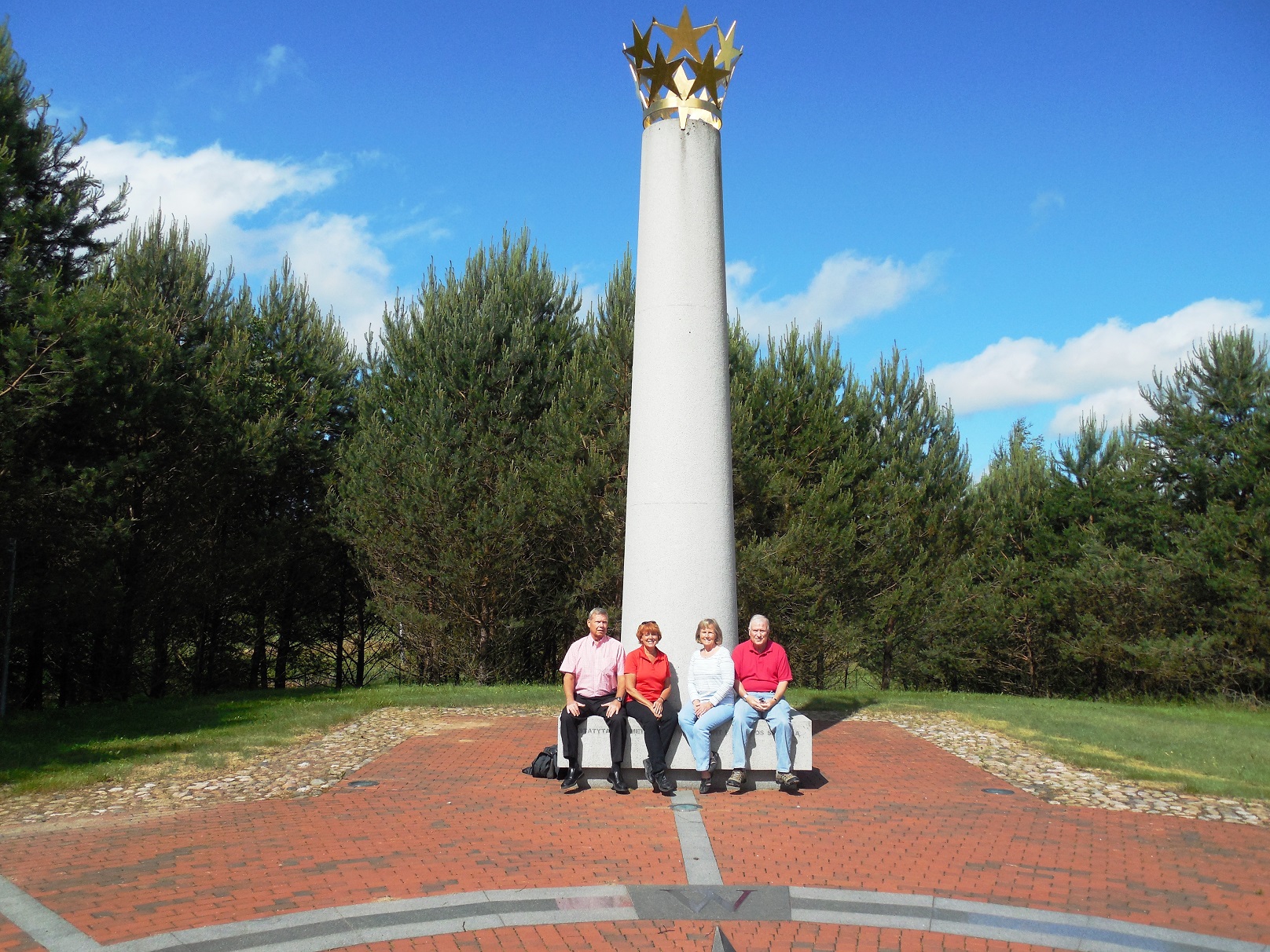
Our first stop on the excursion was in the national park where we drove to ” The Center of Europe.” We took pictures and got certificates certifying that we have really been to the exact center of Europe.
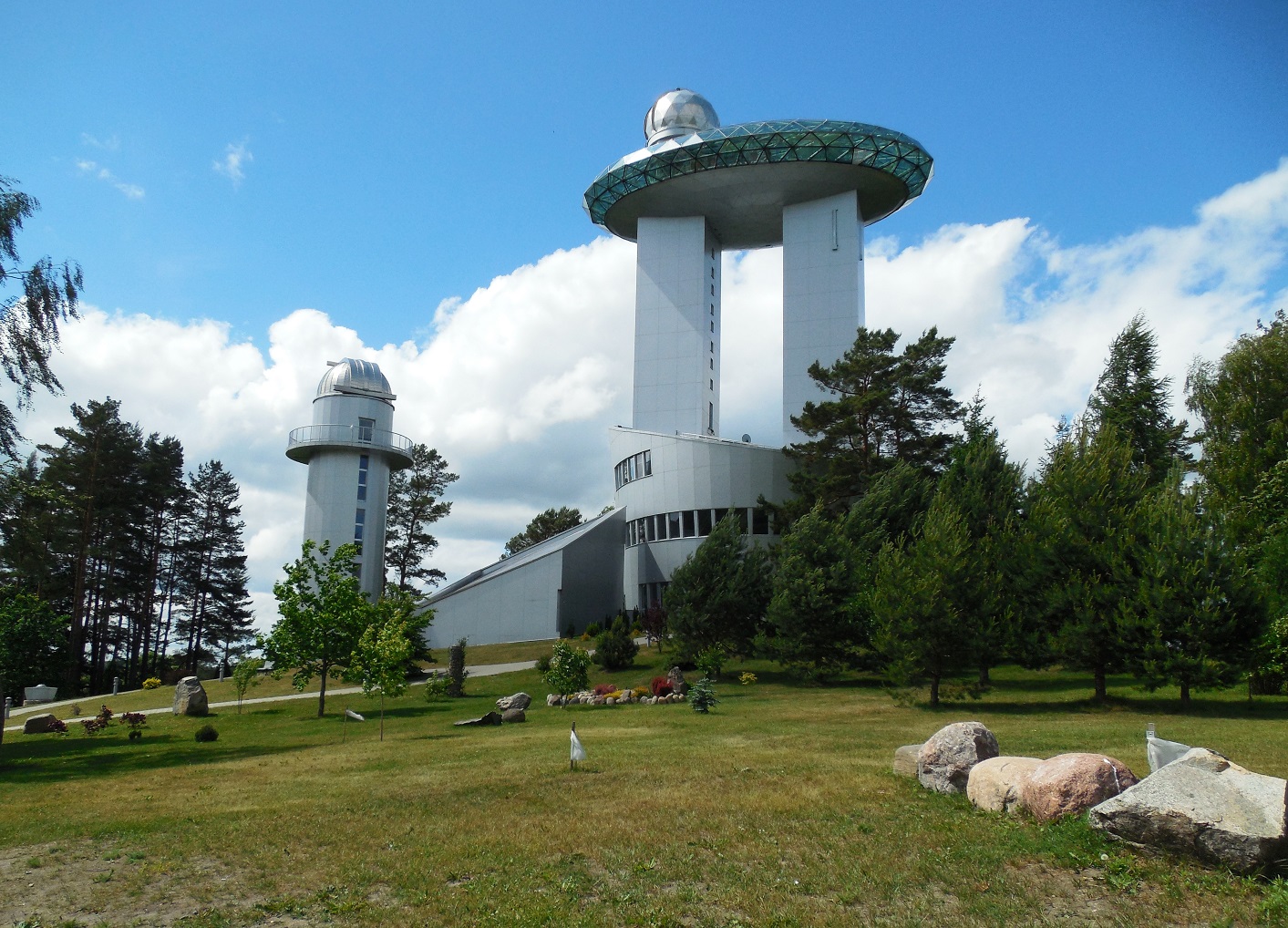
From there we had a short trip to the University planetarium.
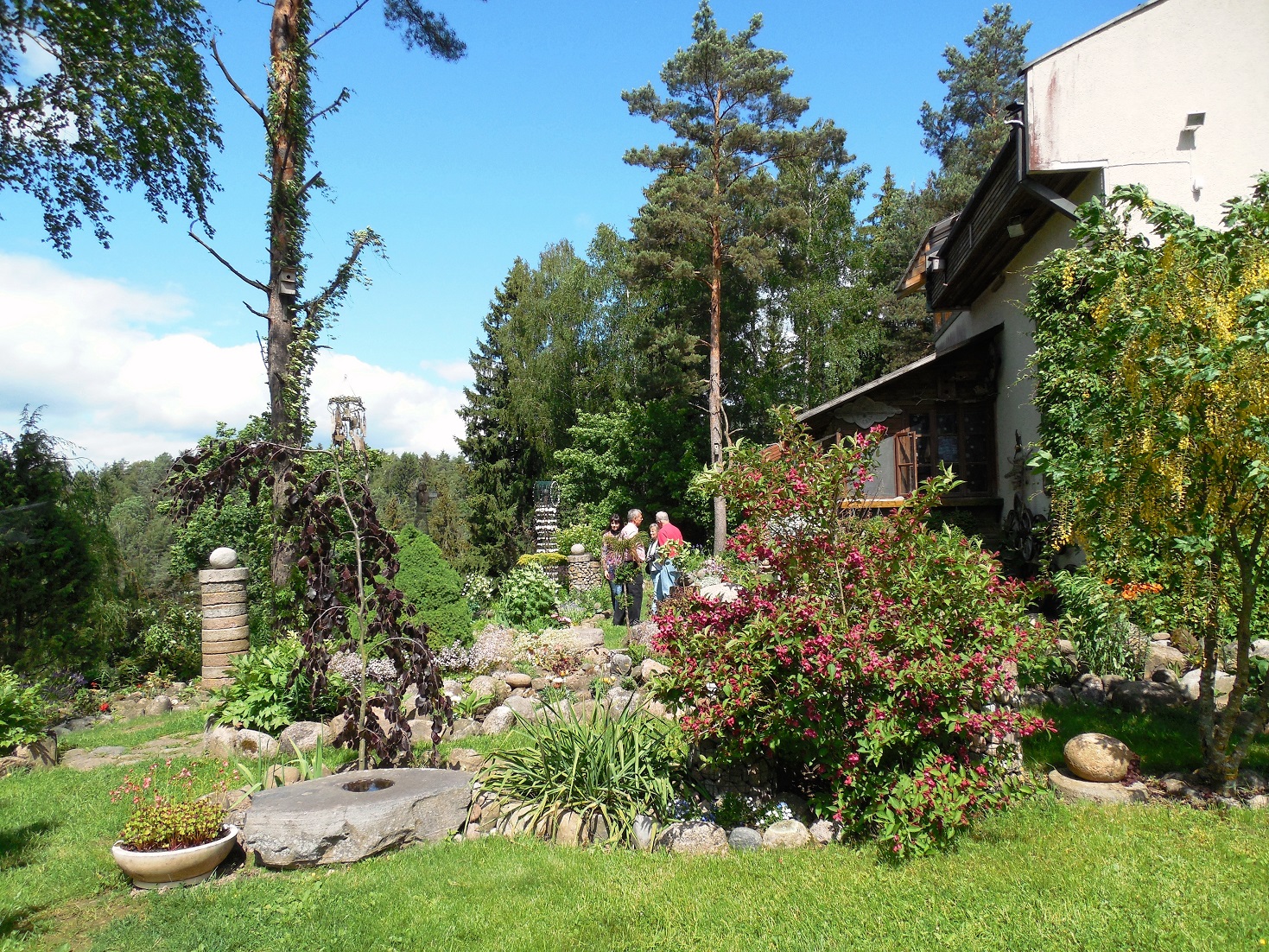
We stopped at a small inn for a traditional Lithuanian meal of beer bread with cheese, potato dumplings stuffed with spiced ground beef, fruit, and Lithuanian beer – deeeeelicious! and low cal, okay maybe not low cal.
Our next stop was at the Bee Keeping Museum which was closed for renovation, but we walked around for a look outside. I never knew beehives could be so creative and enchanting.

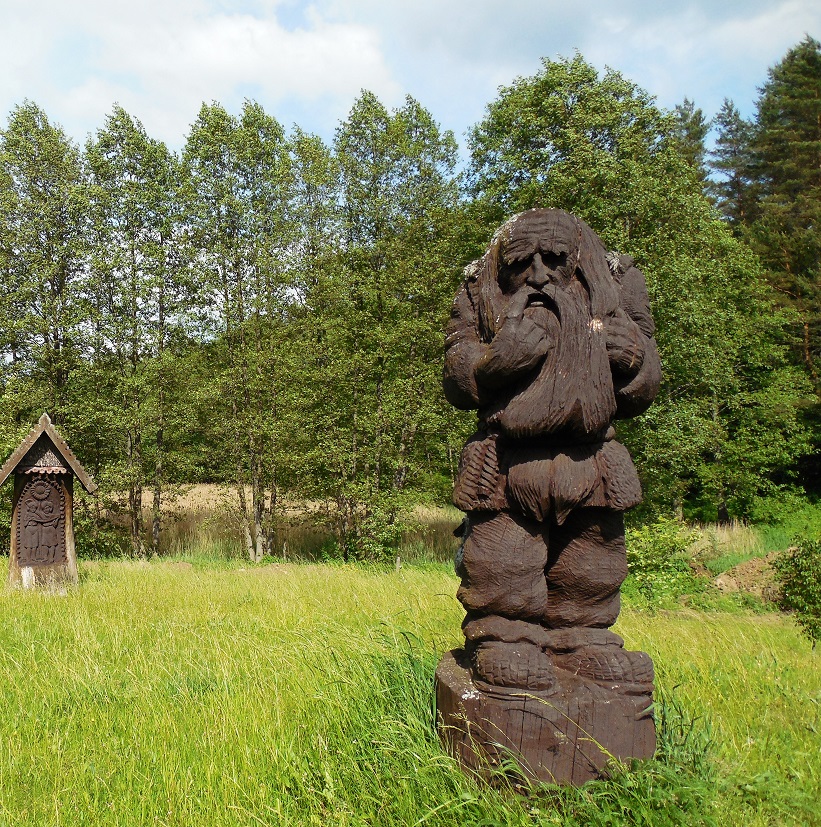
Or such an adventure.
Our driver left the window to the van open and so we had about 10 bees who were checking out the inside of the van while we were checking out their hives. We had to drive with the door and windows open to get them all to go home – that was interesting.
Our last stop was said to be the highest “mountain” in Lithuania. Lithuania and the other Baltic states were carved by glaciers and are pretty flat, so this hill is referred to as a Lithuanian mountain. Never-the-less, the scenery and the views were gorgeous!

The next day Carolyn had arranged for us to go to The Hill of Crosses – what a unique experience!
Our guide for this trip was Victoria and she was charming. The trip was long, almost three hours one way, and she spent the drive sharing stories about the Lithuanian culture and history and answering our questions on political views – very interesting.
What is the hill of crosses? No one really seems to know how it started or why, but records make mention of it as early as the 1400s. The guidebook says that there are as many stories as to how it began as there are crosses. What is known is that someone placed a cross on this small hill centuries ago for their own symbolic purpose and others followed suit. During the Nazi and Stalinist regimes religion and thus crosses were forbidden. The crosses were torn down and burned. The next day, more crosses were standing tall and no matter how often they took them down, more always appeared. It became a symbol of hope, freedom and resistance against tyranny for thousands. Victoria was emphatic about the fact that crosses are placed here for many, many reasons – celebrations of a birth, a marriage, love, hope, faith, as well as consolation, or in memory of those who have died or fallen in the fight for freedom. Whatever the reasons, the hill continues to grow with the faithful adding crosses daily.


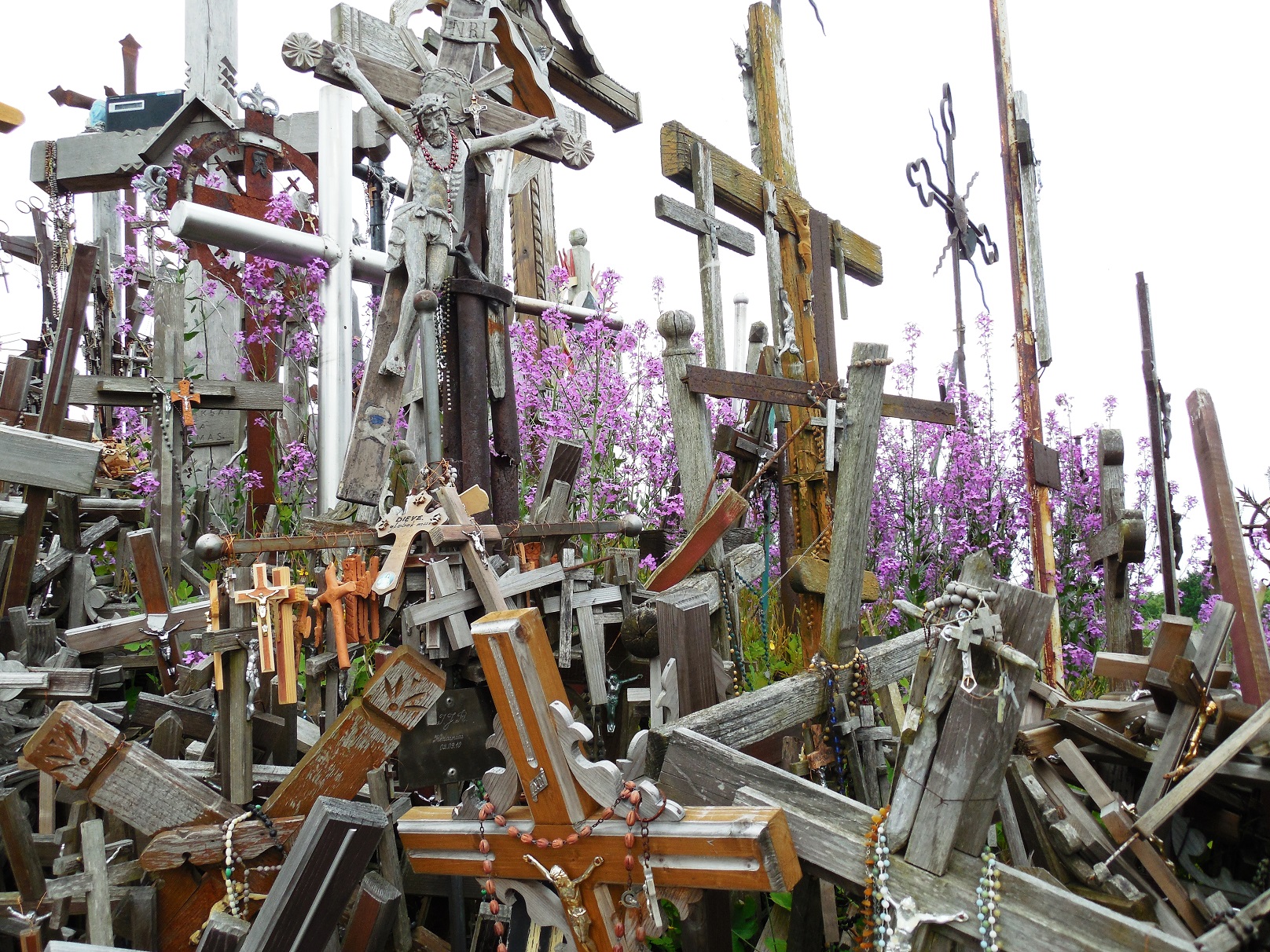

In his visit to The Hill of Crosses in 1993 Pope John Paul said, “Could I remember the Hill of Crosses without feeling moved? This evocative place reminds Lithuania’s Christians of the burning witness to faith of the entire nation.”
And it was moving experience.
The two excursions were great and a very informative and interesting introduction to the Baltic states.
Tonight we join our Russian Glories, Baltic Treasures tour. From this point on our trip will take on a very different flavor – a new kind of adventure!
 CharliExplores
Everything about this post both fascinates and intrigues me. This is a part of Europe that I know little about. It was not on my bucket list of places I had hoped to get to travel to but if I had a do-over, it would definitely be on it now. Enjoy…
LikeLike
What a wonderful trip! The beehives are incredible and the hill of crosses is very moving! Wow! You guys are SO lucky to see all of this. God Bless.
LikeLike
I feel beyond lucky! Never in my wildest dreams did I ever envision us doing this. I am so incredibly grateful and so enjoy sharing it. Thank you for sharing it with me.
LikeLike