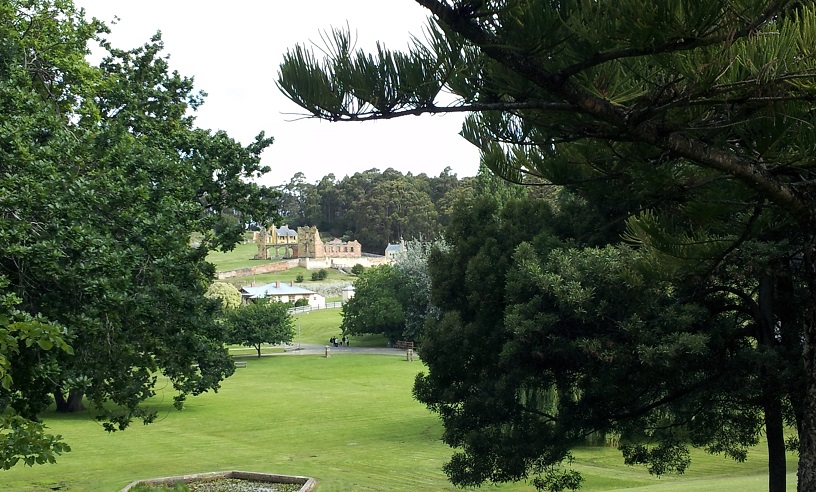
I’m writing this post because we are in Australia, and the story of Port Arthur is an essential slice of Australia’s history.
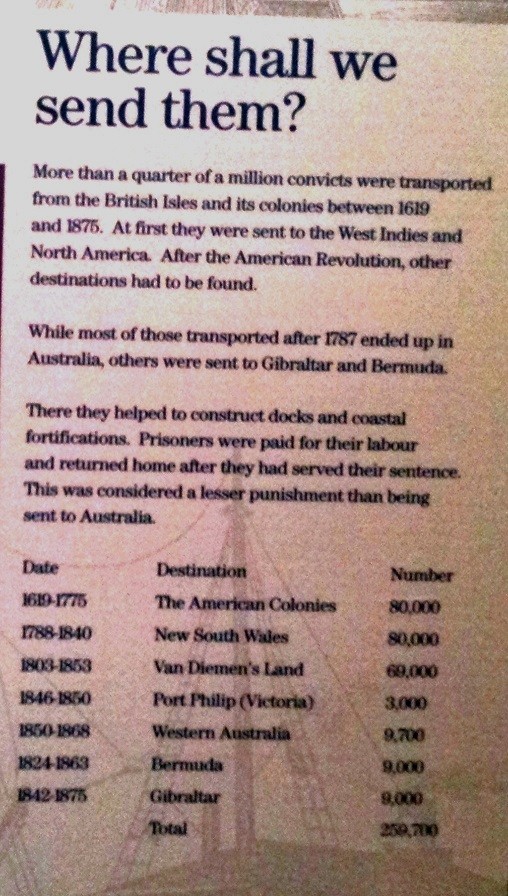
As you may know, Australia was settled by the English in 1830 as a penal colony. London at that time was in an economic depression. War with France had left them with huge debts, unemployment was extremely high, the hungry and homeless crowded the streets and petty crime was out of control. The ever growing prison population was being contained in the hulls of old ships but these too were overcrowded. Transportation – a term used for shipping prisoners off to other places – had been in practice for years. America and the West Indies were two of the top choices, or had been until the pesky colonists won their independence and shut the prison door to America.
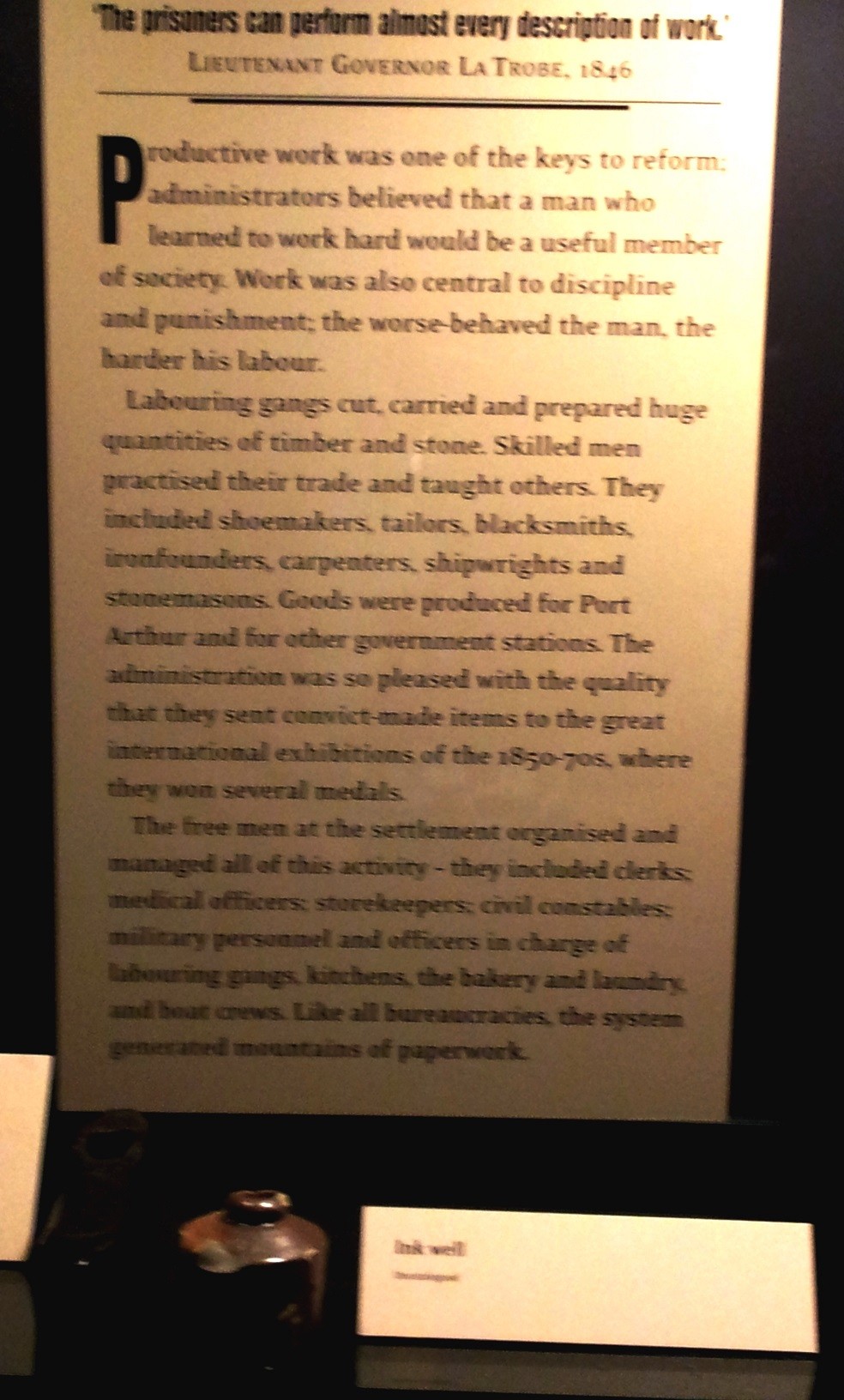
Australia became the next choice and Sydney was the home of the first settlement. Port Arthur, located in the extreme southeastern corner of Tasmania, was established to punish convicts who had committed additional crimes while under sentence in Australia. It was a massive, 30 acre complex that at its peak housed over 1800 hardened criminals. Penal theory, at that time, was that evil could be ground out of criminals (“grinding rouges into honest men”) by a four pronged approach, education, hard work, religion and harsh discipline. England wanted the prisons to be self-sufficient so everyone was taught a trade. Hard work consisted of felling trees, pulling plows, sawing logs, making bricks, building etc. Religion consisted of being preached a message of fire and brimstone twice every Sunday. Discipline could consist of chain gangs, double chains for increased punishment, solitary confinement for months at a time but was most often the cat-o-nine tails and was meted out for anything from making eye contact with a gaoler (jailer), to stealing food, to assault.
![20070816094746cat-o-nine-tails_psf[1]](https://charliexplores.com/wp-content/uploads/2013/12/20070816094746cat-o-nine-tails_psf1.jpg)

As we have found in all of Australia’s national parks and museums, Port Arthur is well signed and signs and guides do a wonderful job of setting the stage and telling the story. With our entry tickets, Tom and I each received a playing card (6 of spades & 4 of clubs). In the museum we each matched our cards to a display of plaques and the plaque that matched our card told us who we were – our convict name and what crime we had committed.
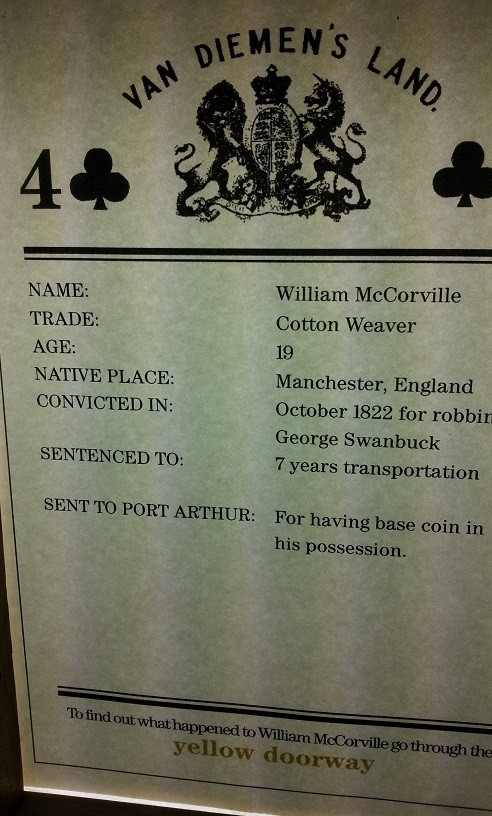
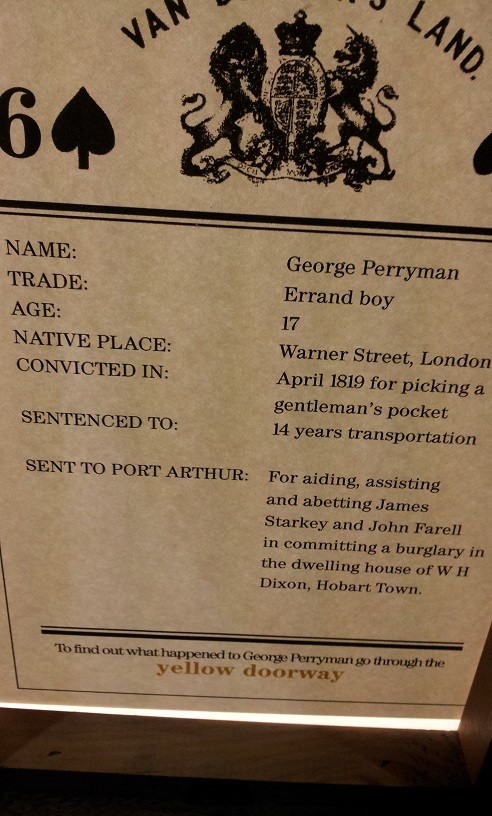
As we wound our way through the museum, we found out more details about our fates as convicts. The records kept at that time were meticulously detailed and our convicts had been actual people. (Click on the pictures to read the story.)
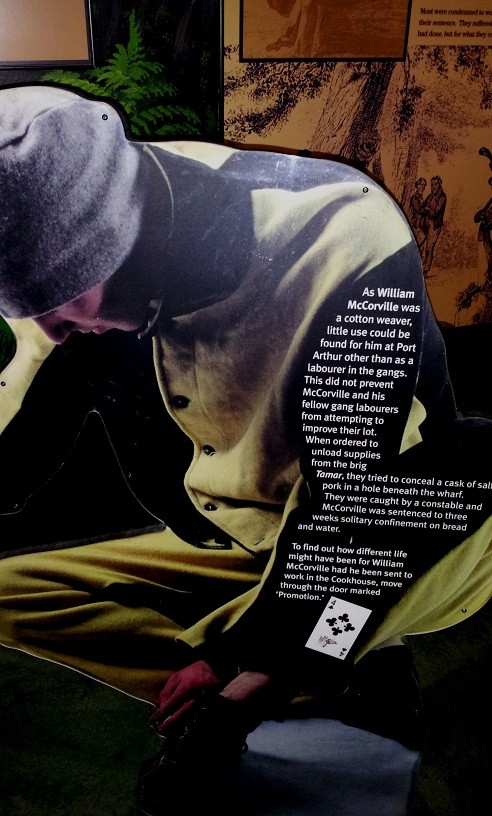

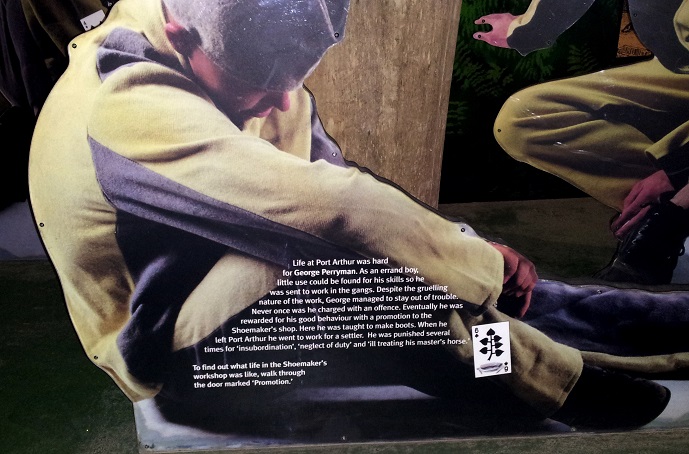
It was a great, though a bit unsettling, way of immersing ourselves in the wretched atmosphere that was Port Arthur.
After the museum we spent the rest of the afternoon following the map around the beautiful grounds, reading the plaques, listening to the audio story on our headsets, and imagining what it might have been like at the time.

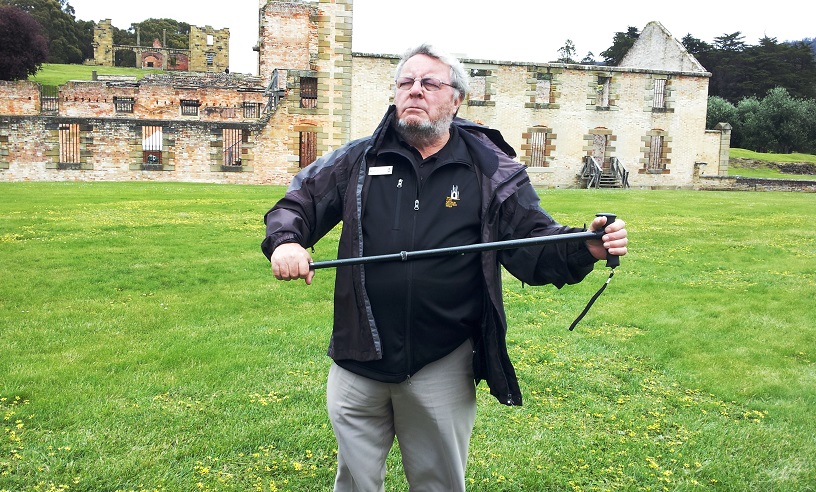
The next day we returned and continued our walking tour,
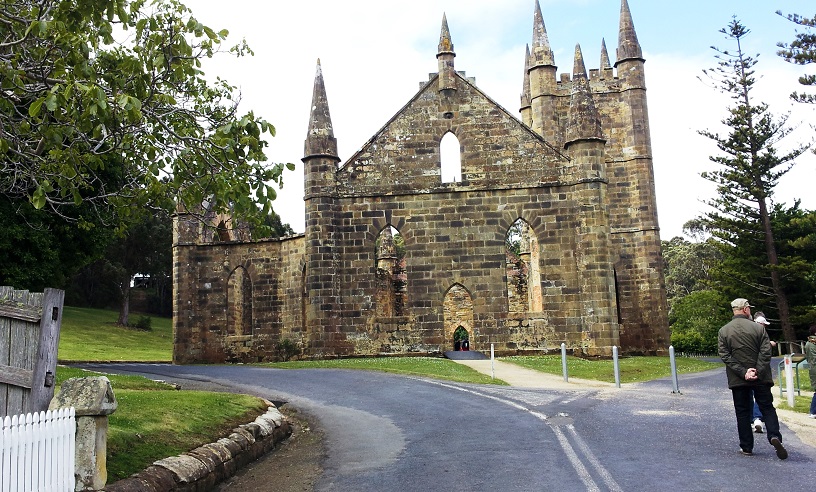
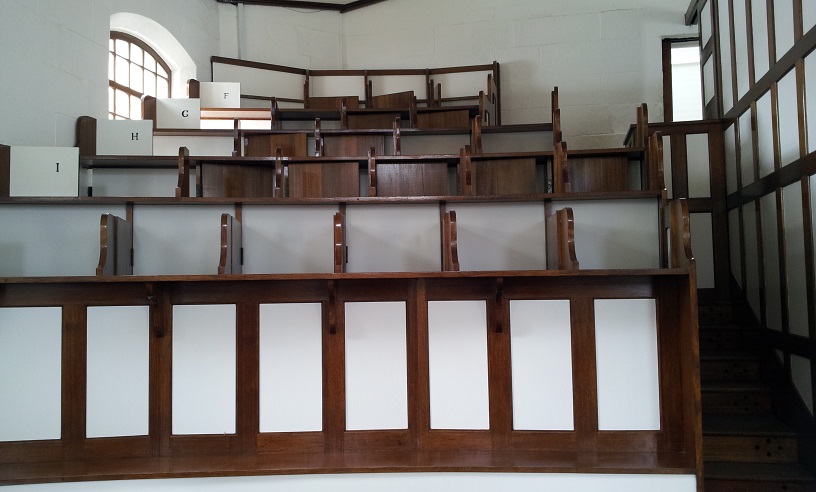
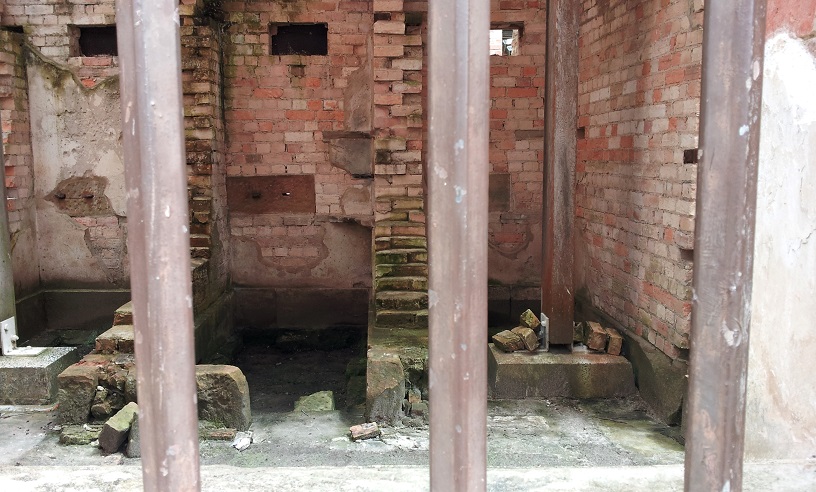

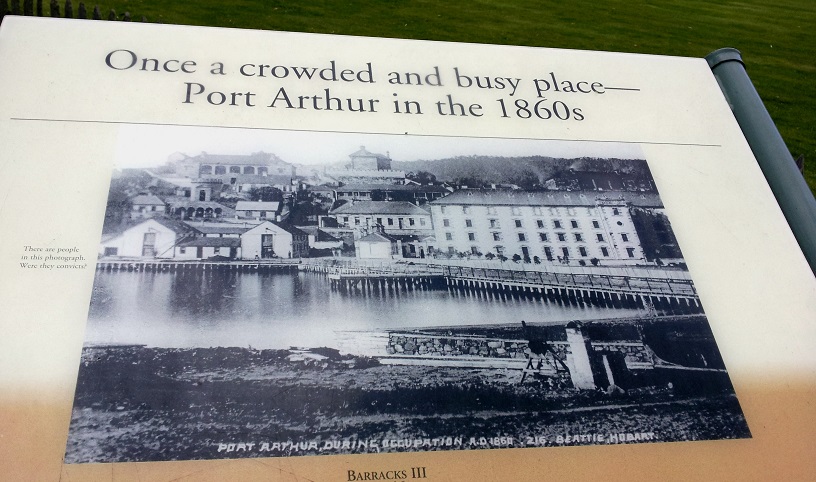
and after lunch we took the ferry to two small islands in the harbor of Port Arthur.

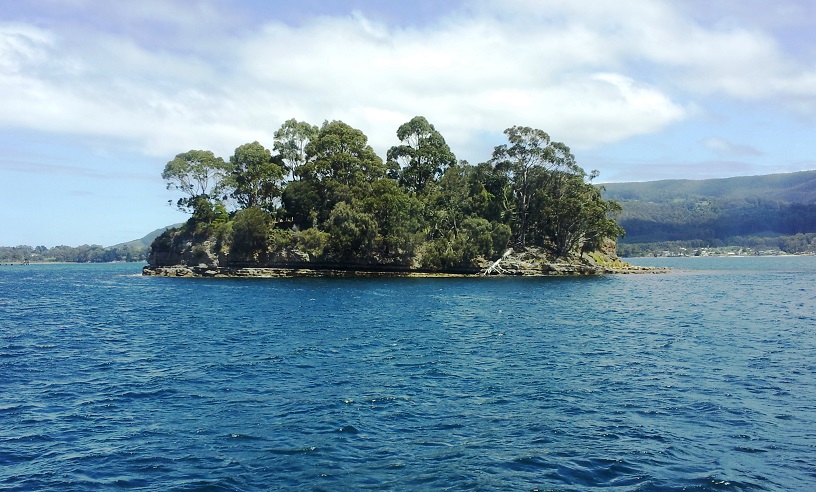
The first stop was a tour of the Isle of the Dead. As the name suggests, this was the cemetery for those who died at Port Arthur – both convicts and civilians. The surprising thing about this is that, given the times and the nature of the facility, so few people died. The fact is that life expectancy was quite a bit better for those who were transported to Port Arthur than it would have been if they had remained in London. Records show that convicts who completed their sentences and were freed almost never chose to return to England. It is also said that some convicts in London purposely committed crimes in hopes of being to be transported to Australia – pretty interesting.

The next stop was even more interesting. It was to Point Puer also known as Boys’ Island. It was set up as a boys’ prison in 1834, to separate the boys in order to keep them from being brutalized by the men. Some of the boys incarcerated here were as young as 9 years old – how sad is that?
The theory for reform was the same for the boys as it was for the men – discipline, education, hard work and religion. Work hours were long and hard and discipline severe, but these boys were taught a trade – stone cutting, carpentry, shoe making, ship building… which they were expected to do despite the weather which, in Tasmania, could be harsh. Again, life was hard, but in London, for the poor (75% of the population), the infant mortality rate was 50%. For those babies who survived, another 50% of them died before the age of 12. In short the death rate for children born in poverty in London, at that time, was a staggering 67%. For the boys incarcerated at Point Puer, the mortality rate was 3%, and the 97% who survived were taught a trade so that they could continue to survive. So, dark as Port Arthur’s past might have been, it seems there was a silver lining for some.
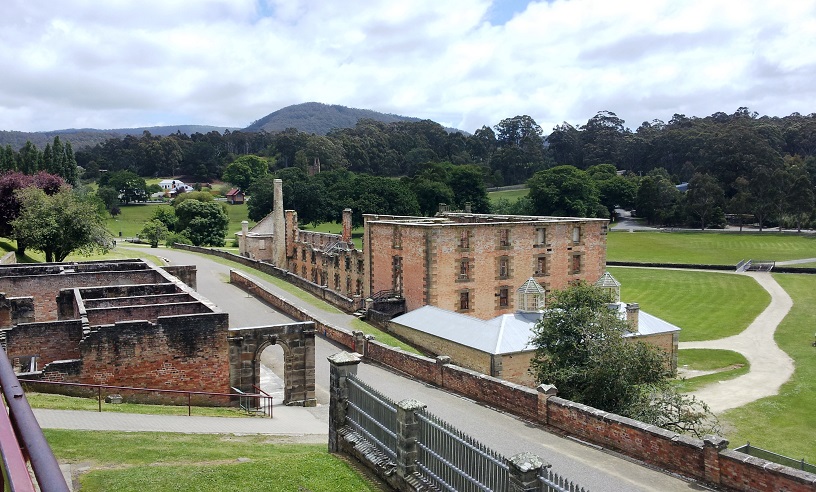
Transportation ended in 1853 and the prison at Port Arthur closed in 1877. A brush fire destroyed many of the buildings and a reporter, at the time, wrote “What was Port Arthur is doomed to rot and decay…”. Instead, curiosity seekers began coming to have a look and enterprising entrepreneurs saw the potential and turned it into a very successful tourist attraction – very smart.
So this is the story of Port Arthur – a part of the inauspicious beginnings of a new and, what is now, a thriving nation – Australia.
 CharliExplores
Thanks for the history. I learned alot. Much appreciated. We just got back from Fort Myers Beach, florida. Had our kids there. Have a safe trip. Merry Christmas. Becky McFall
LikeLike
You’re welcome. We learned a lot, too. Glad you got time to spend with family. We’re in KC doing the same but leave in a few hours for home and will spend Christmas with Christina and her husband. I’m really looking forward to seeing them – it’s been 3 months.
Have a merry Christmas and a wonderful 2014, Charli
LikeLike